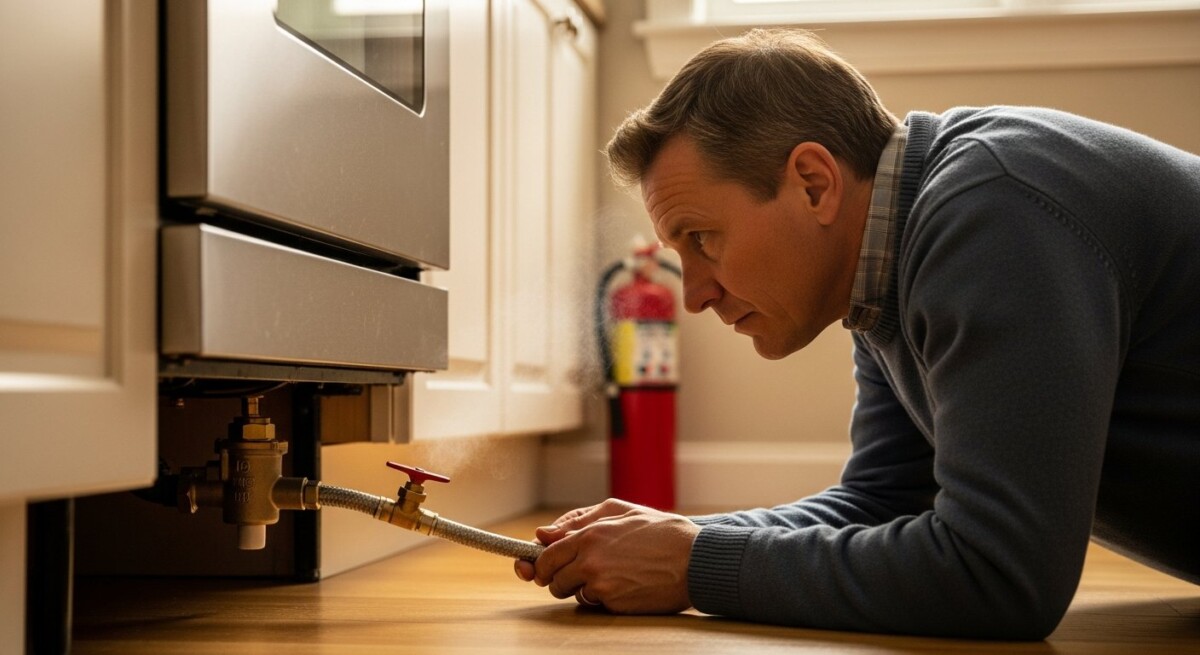
Gas Plumbing Safety: A Homeowner’s Guide to Protection
"*" indicates required fields
You’re cooking dinner when you notice a faint, rotten egg smell near your stove. Or maybe your gas fireplace takes a few tries to light, and you hear a soft hissing sound. These small, unsettling moments are more than just minor annoyances,they’re your home’s way of telling you something might be wrong with your gas plumbing. For a homeowner, discovering a potential gas issue can be worrying. It’s a problem you can’t always see, but you know the risks of ignoring it are serious. Understanding gas plumbing safety is the first step to protecting your family and your investment.
Understanding Gas Plumbing Safety
Gas plumbing safety is all about the systems that bring natural gas or propane into your home and deliver it safely to your appliances. This includes the pipes, valves, connectors, and regulators hidden behind walls, under floors, and in your basement or crawlspace. These components work together to provide fuel for your furnace, water heater, stove, dryer, and fireplace.
Problems occur when these systems age, get damaged, or are installed incorrectly. Connections can loosen, pipes can corrode, and flexible supply lines can wear out. Even a small leak or a faulty valve can create a dangerous situation. While any home with gas service can be affected, older homes with original piping are often at higher risk due to decades of wear and tear.
Why This Matters for Your Home
Ignoring gas plumbing issues is a risk no homeowner should take. The primary concern is safety. A gas leak can lead to fire, explosion, or carbon monoxide poisoning,a colorless, odorless gas that can be fatal. These aren’t just scare tactics; they are real, preventable dangers.
Beyond immediate safety, faulty gas lines can also cause property damage and waste money. A leak means you’re paying for gas you aren’t using, driving up your utility bills. Inefficient appliances burning gas incorrectly can produce soot, damaging walls and ceilings. Addressing problems early isn’t just about peace of mind; it’s a practical decision that protects your wallet and your home’s long-term value.
If you notice signs of this issue in your home, it may help to speak with a qualified contractor. Request a free quote or call to explore your repair or remodeling options.
Common Problems Homeowners Experience
Gas plumbing issues often start small and gradually get worse. You might notice your hot water isn’t as hot as it used to be, or your furnace seems to run constantly without heating the house properly. These performance issues are frequently tied to the gas supply, not the appliance itself.
Other problems are more direct. You might see a pilot light that frequently goes out or burns with a yellow or orange flame instead of a crisp blue one. In severe cases, you might spot dead vegetation or hear a blowing sound near an underground gas line outside. The most common issues include:
- Leaking Connections: Fittings and joints can loosen over time, allowing gas to escape.
- Corroded Pipes: Older steel pipes can rust from the inside out, creating weak spots and leaks.
- Faulty Shut-off Valves: Valves that don’t turn completely off can be a hazard during repairs or emergencies.
- Worn Flexible Lines: The corrugated connectors behind stoves and dryers can crack or get damaged.
- Improper Venting: Appliances that aren’t venting correctly can allow carbon monoxide to build up indoors.
- Outdated Materials: Some older piping materials, no longer used in modern code, are more prone to failure.
How Professionals Solve the Problem
Professional gas plumbers, often called gas fitters, have the specialized training, tools, and licensing to handle these systems safely. They don’t just fix the symptom you see; they diagnose the entire system to ensure it’s operating correctly and up to current safety codes. This comprehensive approach is what makes professional service so valuable.
A typical professional repair or installation follows a careful process. For a deeper look at what a full installation entails, our guide on gas line installation for safe energy outlines the key steps. The process usually involves:
- Inspection & Diagnosis: Using gas detectors and pressure gauges to locate leaks and assess system integrity.
- System Shutdown: Safely turning off the gas supply at the main valve before any work begins.
- Repair or Replacement: Fixing leaks, replacing corroded sections of pipe, or upgrading faulty valves with approved materials.
- Pressure Testing: Testing the repaired system to ensure it holds pressure and is completely leak-free.
- Appliance Reconnection & Check: Reconnecting appliances, checking pilot lights, and verifying proper combustion and venting.
A professional inspection can reveal hidden issues before they become expensive repairs. Compare contractor quotes here or call to discuss your project.
Warning Signs You Should Not Ignore
Your senses are your first line of defense. Gas companies add a distinctive odorant (that rotten egg smell) to help you detect leaks. If you smell this inside your home, it’s an immediate warning. Don’t ignore other signs, even if the smell isn’t present.
Listen for unusual sounds like hissing or whistling near gas lines or appliances. Look for physical signs like a white cloud, blowing dust, or bubbles in standing water near a pipe. Inside, watch for appliance issues. If you suspect a leak or are experiencing performance problems, understanding the process of professional gas line repair can help you know what to expect from a service call. Key warning signs include:
- The Smell of Rotten Eggs: The most critical sign. Leave the house immediately and call your gas company from outside.
- Hissing or Whistling Sounds: Audible noise near a gas line often indicates a significant leak.
- Dead Houseplants or Grass: Patches of dying vegetation can signal an underground leak.
- Higher-than-Normal Gas Bills: A sudden, unexplained increase in your bill often points to a leak.
- Pilot Lights That Frequently Go Out: This can indicate a problem with the gas supply or pressure.
- Sooty Residue or Yellow Flames: Appliances should burn with a clear blue flame. Yellow flames mean incomplete combustion.
What Affects the Cost of Repairs or Installation
The cost of gas plumbing work isn’t one-size-fits-all. It depends on the complexity of the job and the condition of your existing system. A simple fix, like tightening a fitting or replacing a flexible connector behind your stove, will cost significantly less than repiping an entire home.
Major factors include the length of new piping needed, the accessibility of the lines (running pipes through finished walls is more labor-intensive than an open basement), and the type of materials required. The age of your home can also play a role, as older systems may need more extensive upgrades to meet modern code. For a comprehensive overview of maintaining these systems, our resource on gas line plumbing maintenance provides useful long-term guidance.
Costs can vary depending on the condition of your home. The best way to know the price is to get a personalized estimate. Request free quotes from contractors or call today.
How to Choose the Right Contractor
Selecting the right professional is as important as deciding to make the repair. Gas work requires specific expertise and licensing. Always verify that a contractor holds a current license for gas fitting or plumbing in your state, and carries both liability and worker’s compensation insurance.
Don’t hesitate to ask for references from recent, similar jobs. A trustworthy contractor will be happy to provide them and will offer a detailed, written estimate that breaks down labor and material costs. Follow these tips to find a reliable pro:
- Verify Licenses & Insurance: Confirm their gas fitter/plumber license is current and ask for proof of insurance.
- Check Reviews & References: Read online reviews and ask to speak to past customers about their experience.
- Get Detailed, Written Estimates: Avoid vague quotes. The estimate should specify the work, materials, and timeline.
- Compare Multiple Quotes: Get at least three estimates to understand the fair market price for your job.
- Ask About Permits: Reputable contractors will pull the required local permits for gas work, which ensures an inspector will verify the job.
Long-Term Benefits of Professional Work
Investing in professional gas plumbing services pays dividends long after the job is done. First and foremost, you gain the irreplaceable benefit of safety for your household. Knowing your system has been tested and certified by a professional eliminates the worry of hidden dangers.
Professional work also tends to be more durable, using higher-grade materials and installation methods that stand the test of time. This reduces the likelihood of future repairs. Efficient systems help your appliances run better, potentially lowering your energy bills. Finally, updated, code-compliant gas plumbing is a positive feature that can add to your home’s resale value and make it more attractive to future buyers.
What does a gas leak smell like?
Natural gas is odorless, but utility companies add a chemical called mercaptan that gives it a distinctive, sulfur-like smell similar to rotten eggs or sewage. If you detect this smell inside your home, it’s a serious warning sign that requires immediate action.
What should I do if I smell gas in my house?
If you smell gas, act quickly. Do not turn lights on or off, use any electrical switches, or create any sparks. Evacuate everyone from the house immediately. Do not use your phone inside. Once you are safely outside and away from the home, call your gas company’s emergency line or 911 from a cell phone or neighbor’s house.
Can I repair a gas line myself?
Gas line repair is not a DIY project. It requires specialized knowledge, tools, and licensing to ensure the work is safe and meets local building codes. An improper repair can create a severe safety hazard. This work should always be left to a licensed, insured professional.
How often should gas lines be inspected?
There’s no set schedule, but it’s wise to have a professional inspect your gas lines and connections if you move into an older home, if you notice any warning signs, or every 10-15 years as part of proactive home maintenance. Always inspect flexible appliance connectors for cracks or damage annually.
Are yellow gas flames dangerous?
Yes. A healthy gas flame on your stove, furnace, or water heater should be mostly blue. A yellow or orange flame indicates incomplete combustion, which can produce carbon monoxide. Have the appliance inspected by a professional as soon as possible.
What is the lifespan of a gas line?
The lifespan varies by material. Modern black iron or corrugated stainless steel tubing (CSST) can last 30-50 years or more if properly installed and maintained. Older galvanized steel pipes may corrode and need replacement sooner, often after 20-30 years.
Does homeowners insurance cover gas line repairs?
It depends on your policy and the cause of the damage. Insurance typically covers sudden, accidental damage (like a line ruptured by a fallen tree). It usually does not cover repairs due to normal wear and tear, corrosion, or lack of maintenance. Always check with your insurance provider.
Gas plumbing safety is a fundamental aspect of responsible homeownership. By paying attention to warning signs, understanding the risks of delay, and trusting qualified professionals for repairs and installations, you protect what matters most. Taking action early is always simpler and safer than dealing with an emergency later. A great first step is to gather information; comparing detailed quotes from licensed contractors will give you a clear picture of your options and help you make a confident decision for your home’s safety and efficiency.

About Alex Carter
"*" indicates required fields