Gas Line Repair: A Homeowner’s Guide to Safety and Solutions
"*" indicates required fields
Your home’s gas line is a silent, unseen workhorse, delivering fuel for your furnace, water heater, stove, and fireplace. When it’s working perfectly, you don’t give it a second thought. But the moment you suspect a problem,whether it’s a faint rotten egg smell or a pilot light that won’t stay lit,it can be incredibly stressful. Gas line issues demand immediate attention, not just for your comfort, but for the safety of your entire household. Understanding what gas line repair entails, when to call for help, and how professionals resolve these issues is the first step toward peace of mind.
Understanding Gas Line Repair
Gas line repair is the process of fixing leaks, damage, or corrosion in the pipes that deliver natural gas or propane throughout your home. These pipes can run underground from the street to your meter, and then inside your walls and floors to your various appliances.
Repairs are not a one-size-fits-all job. A professional technician will diagnose the specific issue, which could range from a simple fitting that needs tightening to a section of pipe that requires complete replacement. The goal is always the same: to restore a safe, sealed, and reliable gas delivery system to your home.
It’s More Than Just a Leak
While leaks are the most urgent concern, repair also addresses problems like poor gas pressure, which can cause appliances to run inefficiently or fail to ignite. Corrosion, physical damage from excavation or settling, and even faulty installation from a previous project all fall under the umbrella of gas line repair.
Why It Matters for Homeowners
Ignoring a gas line problem is never an option. The primary reason is safety. Natural gas is flammable, and a leak inside an enclosed space can lead to a dangerous accumulation, posing risks of fire or explosion. Even a small, slow leak can introduce carbon monoxide,an odorless, deadly gas,into your home if an appliance isn’t burning fuel completely due to low pressure.
Beyond the critical safety aspect, timely repairs protect your investment. Efficient appliances rely on correct gas pressure to operate as designed. A compromised line can cause your furnace to work harder, your water heater to underperform, and your stove to have weak flames, leading to higher energy bills and premature wear on expensive equipment.
Proper gas line installation and maintenance are the foundations of a safe home. Think of repair as the essential maintenance that keeps this vital system functioning correctly, safeguarding both your family and your finances.
Don’t gamble with safety. If you suspect any issue with your gas lines, call the professionals at 180 Remodel immediately at (555) 123-4567 for a safe, expert assessment.
Common Issues and Their Causes
Gas lines are built to last, but they aren’t invincible. Over time, several factors can lead to problems requiring professional repair. Understanding these common causes can help you identify risks around your property.
One of the most frequent culprits is corrosion. Older pipes, especially those made of steel, can rust from the inside out due to moisture or from the outside in due to soil conditions. Physical damage is another major cause. This can happen during DIY landscaping projects, fence post installation, or from natural ground settlement that stresses the pipe.
Other issues include:
- Faulty Connections: Over time, the joints and fittings connecting pipe sections can loosen due to vibration or temperature changes.
- Material Fatigue: Like anything else, pipes have a lifespan. Old, worn-out pipes simply become more prone to failures.
- Accidental Impact: A stray shovel strike during gardening or work by another contractor can easily damage a line.
- Poor Initial Installation: If pipes weren’t installed correctly to code in the first place, problems are likely to surface sooner.
How Professionals Fix the Problem
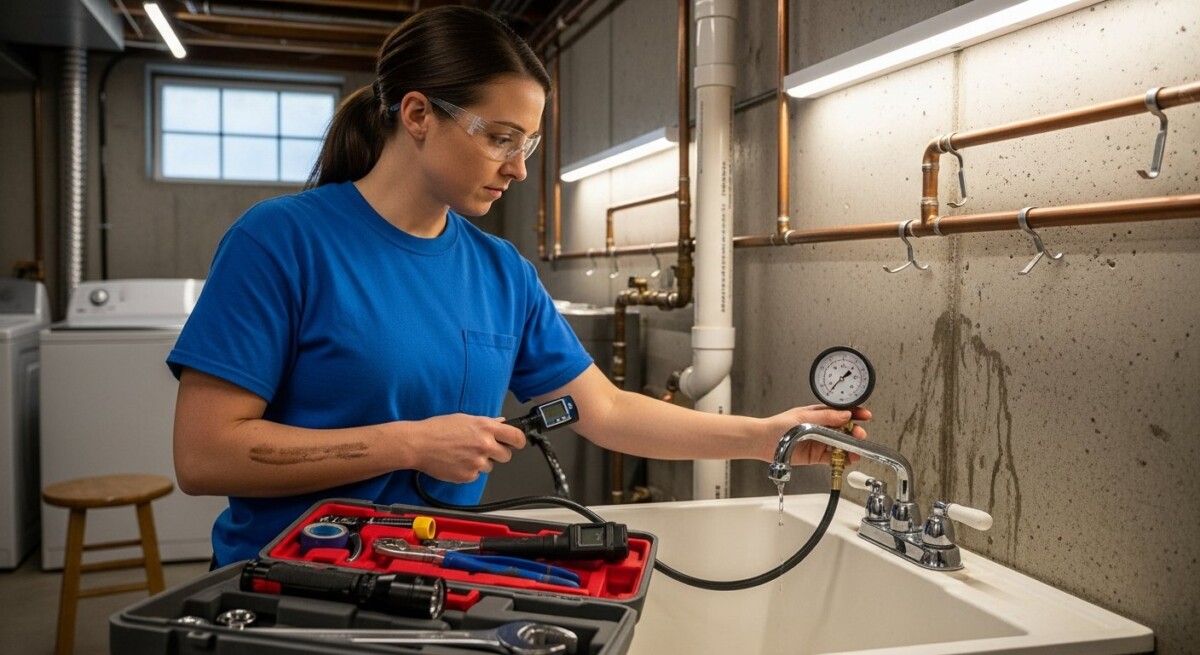
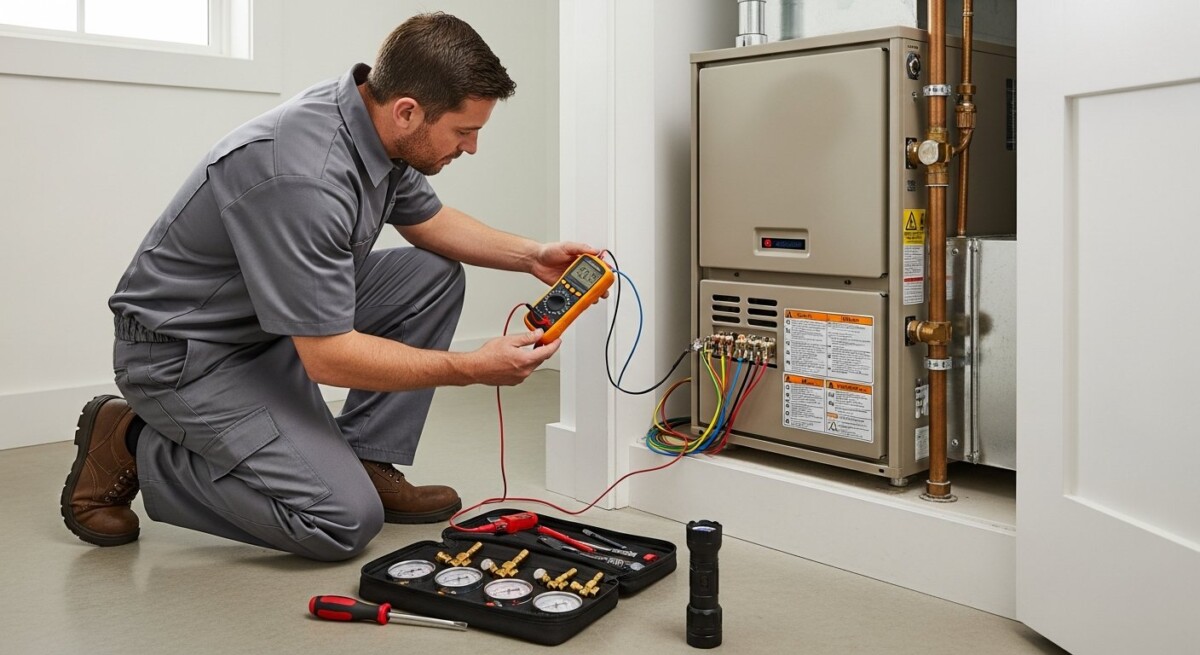
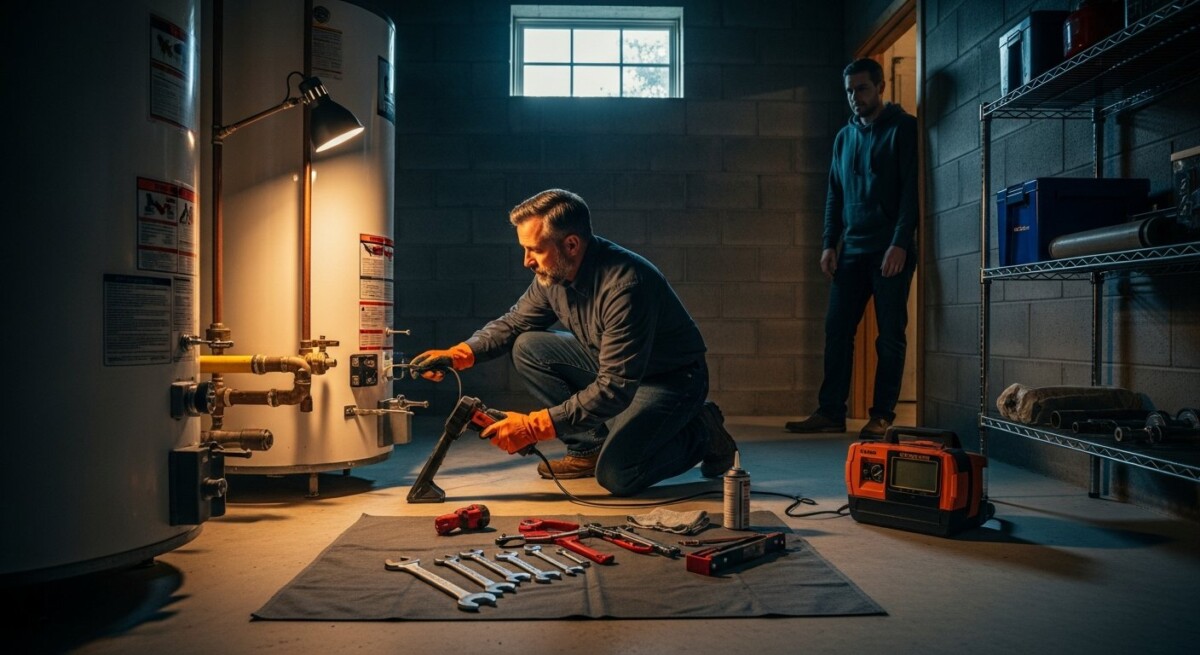
Professional gas line repair is a meticulous process that prioritizes safety above all else. It always begins with a thorough inspection. Technicians use specialized tools like gas leak detectors and pressure gauges to pinpoint the exact location and severity of the problem. They will also check all your appliances to ensure the issue is isolated to the line itself.
Once diagnosed, the repair method depends on the problem. For an accessible leak at a joint, the technician may simply tighten the fitting or apply a sealant approved for gas lines. For sections of corroded or damaged pipe, the standard repair is a section replacement. This involves:
- Shutting off the gas supply at the meter.
- Carefully excavating (for outdoor lines) or accessing (for indoor lines) the damaged section.
- Cutting out the bad segment of pipe.
- Installing a new, code-compliant section using proper fittings and techniques.
- Conducting a rigorous pressure test to confirm the repair holds and there are no other leaks.
- Restoring gas service and checking all appliances for proper operation.
For some situations, a technique called pipe lining or a direct point repair might be an option, similar to methods used in modern sewer line repair, though material specifications are vastly different for gas.
Ready for a permanent solution? Our licensed technicians use the latest methods to ensure your repair is done right. Schedule your service with 180 Remodel today by calling (555) 123-4567.
Signs You Should Not Ignore
Your senses are your first line of defense. Natural gas is odorless, but utility companies add a distinctive rotten egg smell (mercaptan) specifically so you can detect leaks. If you smell this odor inside or near your home, it’s a red alert.
Listen and look for other clues. A hissing or whistling sound near a gas line or appliance can indicate gas escaping under pressure. Visibly dead or discolored vegetation in an otherwise green yard, especially along the path of your gas line, can signal an underground leak. Inside your home, pilot lights that frequently blow out or appliances with yellow, lazy flames instead of sharp blue ones are signs of improper gas flow.
Key warning signs include:
- The distinct smell of rotten eggs or sulfur.
- Hissing, whistling, or roaring sounds near a line or appliance.
- Unusually high gas bills without increased usage.
- Physical damage to exposed gas piping or the meter.
- Dizziness, nausea, or headaches that improve when you leave the house (potential carbon monoxide symptoms).
Cost Factors and What Affects Pricing
The cost of gas line repair can vary, and a reputable professional will provide a clear estimate after an inspection. The primary factor is the location and accessibility of the problem. Repairing an easily accessed section of pipe in your basement will cost significantly less than excavating to find and fix a leak deep under your driveway or landscaping.
The extent of the damage is another major cost driver. Replacing a single faulty valve is a smaller job than replacing 20 feet of corroded underground pipe. Local permit requirements and the cost of materials,which must meet specific safety codes,also influence the final price. Remember, while cost is a consideration, this is not an area to choose a provider based on the lowest bid. Proper, permitted work by a licensed professional is an investment in your home’s safety.
Get a transparent, upfront estimate for your specific situation. Contact 180 Remodel at (555) 123-4567 for a detailed assessment and honest pricing.
How To Choose the Right Professional or Service
Selecting the right company for gas line repair is the most important decision you’ll make. Always verify that the technician or company holds a current license for plumbing or gas fitting in your state. This ensures they have the required training and knowledge of local codes. Proper insurance, including liability and workers’ compensation, is non-negotiable to protect you and your property.
Look for established companies with strong reputations. Read reviews and ask for references. A trustworthy professional will always pull the necessary permits for the work, which means the repair will be inspected by the city or county to ensure it meets safety standards. They should also provide a detailed, written estimate and warranty on their workmanship. Be wary of anyone who offers a vague “ballpark” figure over the phone without seeing the job.
Long-Term Benefits for Your Home
Investing in professional gas line repair delivers lasting value. First and foremost, you gain the irreplaceable benefit of safety and security for your family and property, eliminating the worry of potential leaks. A properly functioning gas system also ensures your appliances run at peak efficiency, which can lower your monthly utility bills and extend the lifespan of your furnace, water heater, and other costly units.
Furthermore, documented, permitted repairs add to your home’s integrity. When it comes time to sell, having a record of professional maintenance and code-compliant gas line work provides peace of mind to potential buyers and home inspectors. It’s a proactive step that protects your home’s value and your own comfort for years to come.
Frequently Asked Questions
What should I do if I smell gas in my house?
Leave your home immediately. Do not turn lights on or off, use any electrical switches, or create any sparks. Once you are at a safe distance from the house, call your gas utility’s emergency number or 911. Do not re-enter until professionals say it is safe.
How long does a typical gas line repair take?
Simple repairs on accessible lines can often be completed in a few hours. More complex jobs involving excavation or extensive indoor access may take a full day or two. Your technician will give you a clear timeline after diagnosis.
Will you have to dig up my yard to fix an outdoor line?
Often, yes, but professional technicians use targeted excavation techniques to minimize disruption. In some cases, trenchless methods may be possible, but this depends on the specific situation and pipe material.
Is gas line repair covered by homeowners insurance?
It depends on your policy and the cause of the damage. Sudden, accidental damage (like a shovel strike) is more likely to be covered than repairs due to gradual corrosion or wear and tear. Always check with your insurance provider.
Can I use a gas leak detector from a hardware store?
While these can be helpful for initial checks, they are not a substitute for a professional inspection. They may not detect all leaks or accurately pinpoint the source. Always rely on a professional for confirmation and repair.
How often should I have my gas lines inspected?
There’s no set schedule, but it’s wise to have a professional inspect your gas system if your home is over 20 years old, you’re moving into an older home, or you notice any warning signs. Annual appliance servicing by a qualified tech also helps catch issues early.
What’s the difference between repair and replacement?
Repair fixes a specific, localized problem. Replacement involves removing and renewing a large section or the entire gas line system, which is usually necessary for widespread corrosion or outdated, unsafe piping materials.
Do you need a permit for gas line repair?
In almost all municipalities, yes. Permits ensure the work is done to code and inspected for safety. A reputable professional will always handle the permit process for you.
Your home’s gas system is a critical component that deserves expert care. By recognizing the signs of trouble, understanding the repair process, and choosing a qualified, licensed professional, you can ensure your home remains a safe and comfortable haven. Don’t delay addressing gas line concerns,proactive attention is the key to long-term safety and efficiency.

About Alex Carter
"*" indicates required fields