Gas Line Plumbing: A Homeowner’s Guide to Safety and Maintenance
"*" indicates required fields
Your home’s gas lines are the silent, hidden network that powers your furnace, water heater, stove, and fireplace. When they work perfectly, you don’t give them a second thought. But when there’s a problem, it can quickly become a serious safety concern. Understanding the basics of gas line plumbing isn’t about becoming a DIY expert,it’s about knowing how to protect your home and family, recognize warning signs, and make informed decisions when you need professional help.
Understanding Gas Line Plumbing in Your Home
Gas line plumbing refers to the system of pipes that deliver natural gas or propane from the main utility line or your propane tank to the various appliances throughout your house. Unlike water pipes, these lines carry a combustible fuel under pressure, which is why their installation, repair, and maintenance require specialized knowledge, tools, and certifications.
This system includes the main shutoff valve, branch lines running to individual appliances, flexible connector hoses (like the one behind your stove), and safety valves at each appliance. Every component must be precisely sized, tightly sealed, and properly supported to ensure a safe, leak-free operation for years to come.
The Critical Role of Materials and Sizing
Not all pipes are suitable for gas. Modern installations typically use coated steel (black iron), corrugated stainless steel tubing (CSST), or approved flexible lines. The diameter of the pipe is also crucial; an undersized line can’t deliver enough gas for your appliance to function efficiently, leading to weak flames and potential safety devices shutting off the gas flow.
Why Proper Gas Line Plumbing Matters for Homeowners
Safety is the single most important reason gas line work demands professional attention. A small leak can lead to a buildup of gas, creating a risk of fire or explosion. Even a minor installation error can have catastrophic consequences, which is why this is never an area for shortcuts or amateur repairs.
Beyond immediate safety, correct gas line plumbing ensures your appliances run efficiently. Proper pressure and volume delivery mean your water heater heats quickly, your furnace warms your home evenly, and your stove burns with a strong, blue flame. Incorrect plumbing can lead to sooty buildup, wasted energy, and premature appliance failure.
If you’re considering adding a new gas appliance or have concerns about your existing lines, our detailed guide to gas line installation covers the essential steps and safety protocols professionals follow.
Common Gas Line Issues and Their Causes
Most gas line problems develop slowly over time. Corrosion is a primary enemy, especially for older steel pipes that may be exposed to moisture. This can create pinhole leaks that are difficult to detect. Physical damage is another common cause,a pipe can be nicked during other renovation work, or a fitting can be loosened by accidental impact or house settling.
Improper initial installation often leads to recurring issues. This includes using the wrong type of pipe or fittings, inadequate support allowing pipes to sag and stress connections, and incorrect sizing that strains the entire system. Even normal wear and tear on older flexible connectors behind appliances can become a hazard.
- Corrosion: Moisture causes steel pipes to rust from the inside or outside.
- Fitting Failure: Seals degrade, or connections loosen over time.
- Physical Damage: From digging, drilling, or accidental impacts.
- Faulty Appliances: A malfunctioning appliance can sometimes backfeed or cause pressure issues.
- Poor Initial Work: DIY or unlicensed installations that don’t meet code.
How Professional Plumbers Fix Gas Line Problems
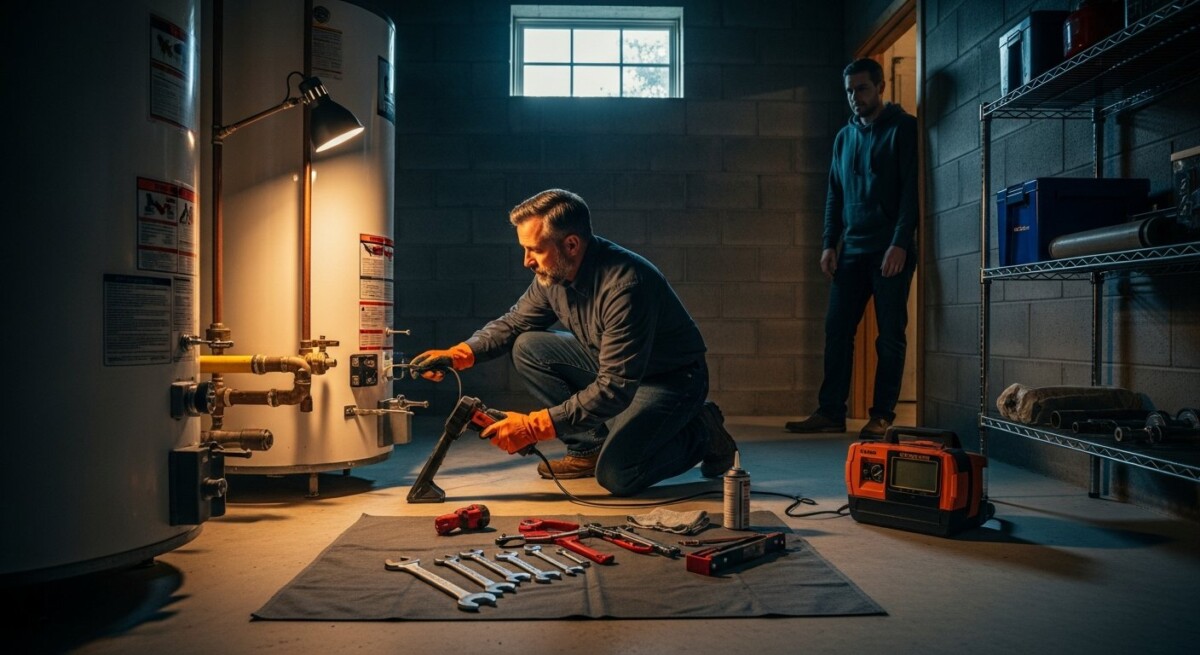
When you call a licensed professional for a gas line issue, the first step is always a thorough inspection and leak detection. They use specialized tools like electronic gas detectors and soap solution tests on every joint and fitting to locate the source of any problem. The main gas shutoff valve is identified and used if any work is needed.
For repairs, the process depends on the issue. A leaking joint may be resealed with fresh pipe thread compound. A section of corroded pipe will be cut out and replaced with new, approved piping. For new installations or major upgrades, the plumber will calculate the correct pipe size, secure permits, and run new lines that are properly supported and tested before being connected to your appliances. Every single repair concludes with a rigorous pressure test to guarantee the system is completely sealed.
- Inspection & Leak Detection: Using professional tools to pinpoint issues.
- System Isolation: Shutting off gas at the main or branch valve.
- Precise Repair/Replacement: Using correct materials and techniques.
- Pressure Testing: Verifying the integrity of the repair before restoring service.
- Appliance Check: Ensuring all appliances are relit and functioning correctly.
For a deeper look at the repair process, our homeowner’s guide to gas line repair explains what to expect when a professional comes to your home.
Warning Signs You Should Never Ignore
Your senses are your first line of defense. The rotten egg smell (odorant added to gas) is the most obvious sign. Listen for a hissing or whistling sound near a gas line. Look for physical signs like a white cloud, blowing dust, or bubbling water near a pipe, or dead vegetation in an otherwise green yard above an underground line.
Inside your home, pay attention to your appliances. A pilot light that frequently goes out, flames that are yellow or orange instead of blue, or excessive soot on an appliance can indicate improper combustion due to a gas flow issue. Unexplained higher gas bills can also signal a small, hidden leak.
- The Smell of Rotten Eggs: Evacuate immediately and call for help from outside.
- Hissing or Whistling Sounds: Coming from near a gas pipe or appliance.
- Unusual Air Movement: Dust blowing from a crack in the floor or wall.
- Bubbles in Water: If you apply soapy water to a fitting and see bubbles forming.
- Physical Symptoms: Unexplained headaches, nausea, or dizziness that improve when you leave the house.
Cost Factors and What Affects Pricing
The cost of gas line work varies widely based on the job’s complexity. A simple repair like tightening a fitting or replacing a short, accessible section of pipe is relatively low-cost. A full new line installation for a fireplace or generator, especially if it requires running pipe through finished walls or under concrete, will be a more significant investment.
Key factors include the length and diameter of the new pipe needed, the difficulty of the run (through open basements vs. finished ceilings), local permit costs, and the hourly rate of the licensed professional. Materials matter too,black iron pipe is less expensive than CSST, though CSST can be faster to install in some situations. Always prioritize a qualified, licensed professional over the lowest bid; the value is in the safety and longevity of the work.
Considering an upgrade or new appliance? Understanding gas line installation costs and factors can help you budget effectively for your project.
How to Choose the Right Gas Line Professional
This is one home service where credentials are non-negotiable. Always verify that the plumber or contractor holds a current license specifically for gas line work in your state and municipality. They should also carry ample liability insurance and workers’ compensation coverage for your protection.
Ask about their experience with projects similar to yours. A good professional will be happy to explain the process, pull the required permits, and provide a detailed, written estimate. They should also be willing to perform a leak test upon completion and show you the results. Trust your instincts,choose someone who communicates clearly, answers your questions patiently, and prioritizes safety above all else.
The Long-Term Benefits for Your Home
Investing in professional gas line services pays dividends for years. First and foremost, you gain peace of mind knowing your home’s fuel system is secure and up to code, protecting your family and your property. Efficient gas lines also translate to lower utility bills and better appliance performance, as each device receives the correct fuel pressure it was designed for.
Furthermore, proper installation and maintenance extend the lifespan of your expensive appliances. Well-maintained gas lines also ensure your home meets insurance requirements and can be a positive point during a home sale, as buyers appreciate systems that have been professionally cared for. It’s an investment in the fundamental safety and functionality of your home.
Frequently Asked Questions
Can I install or repair a gas line myself?
No. Gas line work is extremely dangerous and requires specialized training, tools, and licensing. Improper work can lead to leaks, fires, or explosions. It is illegal in most areas for anyone other than a licensed professional to perform this work.
How often should gas lines be inspected?
Have a professional inspect your gas lines and connections anytime you smell gas, suspect a problem, or are installing a new appliance. As part of routine home maintenance, a visual check of accessible lines and appliances annually is wise, with a full professional inspection recommended every few years or as suggested by your plumber.
What should I do if I smell gas in my house?
Immediately evacuate everyone from the house. Do not turn lights on or off, use any electrical switches, or create any sparks. Do not use your phone inside the house. Once you are safely outside and away from the home, call your gas company’s emergency line or 911 from a mobile phone.
How long do gas lines typically last?
Properly installed black iron or steel pipes can last 50 years or more. CSST lines have a similar long lifespan. The most vulnerable parts are often the flexible connector hoses at appliances, which should be checked regularly and replaced if cracked or damaged.
Do I need a permit to run a new gas line?
Yes, almost always. A licensed professional will handle pulling the required permit from your local building department. This ensures the work is inspected and meets all safety codes, which is crucial for your safety and home insurance.
Can old gas lines be reused for a new appliance?
Sometimes, but a professional must assess them. The line must be the correct size for the new appliance’s BTU demand, be in good condition with no corrosion, and have the proper shutoff valve location. It’s often safer and more efficient to run a new, dedicated line.
Your home’s gas system is a cornerstone of comfort and functionality. By understanding its importance, recognizing warning signs, and always relying on qualified professionals for any service, you ensure it remains a safe and reliable asset for your household for years to come.

About Alex Carter
"*" indicates required fields