
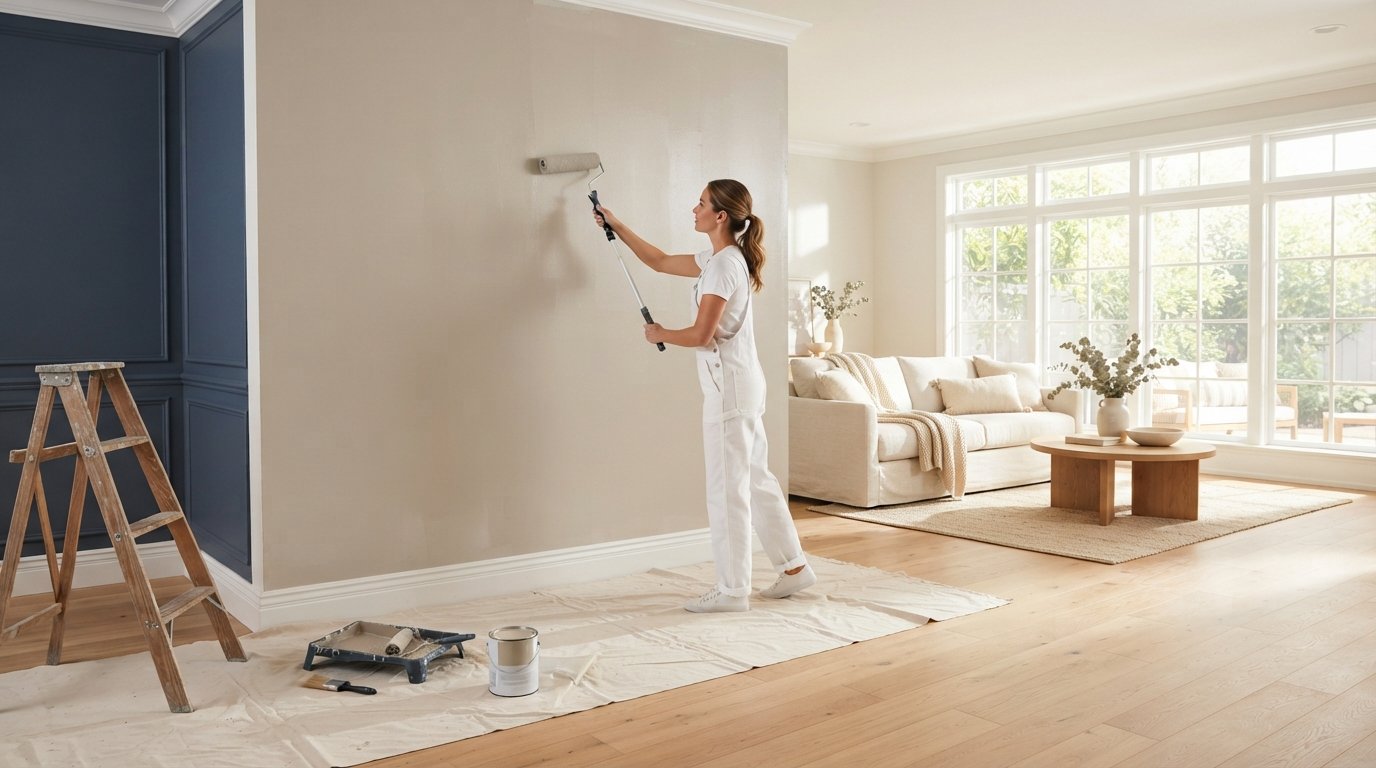
Fresh Paint Ideas to Boost Home Value Now
Strategic color choices and finishes can increase your home's resale price. Explore fresh paint ideas to boost home value effectively and affordably.

By Justin Parker
Learn more about Interior Painting for guides, costs, and what to expect.
Compare Interior Painting Pros Near You

Enter your ZIP code to compare top-rated local professionals and request free quotes.
When it comes to increasing your property's resale value, few investments deliver returns as reliably as a fresh coat of paint. It is the ultimate high-impact, relatively low-cost improvement that transforms the look and feel of a home without requiring an architect or a hefty construction budget. Many homeowners believe that adding expensive fixtures or knocking down walls is the only path to a higher appraisal, but smart color choices and quality application can achieve a remarkable return on investment. Paint does more than decorate; it protects surfaces, creates flow, and sets an emotional tone for potential buyers the moment they step through the door.
However, the process of selecting the right shades and finishes for maximum return is more nuanced than simply picking a trendy color. The wrong hue can actually detract from your home's appeal, while a well-executed palette can make rooms feel larger, brighter, and more inviting. If you are planning a renovation to sell or simply want to refresh your living space for the future, understanding the science and strategy behind paint is essential. In this guide, we will explore how to leverage fresh paint ideas to boost home value, ensuring that every dollar you spend on paint works toward increasing your property's market worth.
Why Paint Is the Smartest Investment for Resale Value
Real estate agents and stagers consistently rank interior and exterior paint among the top five improvements for quickening a sale and increasing the final offer price. Unlike a full kitchen remodel that might take months and cost tens of thousands of dollars, painting is quick, disruptive to daily life, and offers a near-immediate visual payoff. A neutral, cohesive palette signals to a buyer that the home has been cared for, allowing them to visualize their own furniture and art in the space rather than being distracted by bold, personal color choices.
Furthermore, the durability of a fresh paint job implies that the structural elements beneath are sound. Peeling paint on the exterior or water stains on interior ceilings are red flags that scare away savvy buyers. By addressing these issues with a high-quality coating, you are not just beautifying the home; you are providing evidence of proactive maintenance. This perception of value is critical because buyers pay a premium for homes that require no immediate work, often accepting an offer near the asking price when the move-in condition is flawless.
To truly maximize your return, consider the specific areas of the home that yield the highest financial upside. While every room benefits from a refresh, concentrating your budget on high-traffic zones and the exterior facade will generate the most substantial impact. According to industry data, a professionally completed exterior paint job can return over 50% of its cost in the immediate resale value, but more importantly, it dramatically shortens the time a home sits on the market, saving you money on carrying costs.
Strategic Color Selection: The Psychology of Buyer Appeal
Choosing the right color is the most difficult step for many DIY enthusiasts. The current trend in luxury real estate is moving away from stark, sterile whites toward warmer, organic neutrals that evoke a sense of calm and sophistication. Colors like greige (a mix of gray and beige), warm taupe, and soft sage green are currently dominating the market because they complement a variety of architectural styles and furniture aesthetics. These shades act as a backdrop, making architectural details like crown molding and wainscoting pop without overwhelming the eye.
When considering fresh paint ideas to boost home value, you must also account for the fixed elements in the room, such as flooring, countertops, and cabinetry. A warm oak floor looks muddy against a cool gray wall, whereas a creamy white would harmonize beautifully. Here are three critical factors to keep in mind when testing hues for your resale strategy:
- Lighting conditions: Paint colors change dramatically under natural daylight versus artificial incandescent light. Always test swatches on multiple walls and observe them at different times of the day before committing.
- Open floor plans: If your living room, dining area, and kitchen are connected, you must use a single continuous color or closely related tones to create a sense of flow and spaciousness.
- Finish selection: Satin and eggshell finishes are ideal for living areas as they hide imperfections while offering easy wipeability, whereas high-gloss is best reserved for trim and doors.
After establishing your neutral base for the primary areas, you can introduce personality in subtle ways. Painting the interior of a bookshelf, the back of a niche, or the powder room in a deep, moody color like navy or forest green adds a touch of luxury that feels intentional. These accent moments signal to buyers that the home has been styled with care, often justifying a higher per-square-foot price compared to generic, all-white interiors.
Navigating Exterior Curb Appeal
The exterior of your home is the first thing a buyer sees, and it sets the stage for everything that follows. A dated exterior color scheme can make even a well-maintained home look tired. When updating the facade, limit the palette to three elements: the main body color, the trim color, and the accent color for the front door. Choose a main color that is sympathetic to the neighborhood's character but distinct enough to stand out for the right reasons. The front door is your best opportunity for a bold statement; a glossy black or deep charcoal door is timeless and exudes elegance, while a red door suggests warmth and energy.
Do not underestimate the psychological impact of the roof and landscaping in your exterior paint selection. If you have a gray roof, lean toward cool-toned exterior paints. If you have a brown or earth-toned roof, warm beige or creamy yellow sidings will look more cohesive. The goal is to create a harmonious package that looks like a model home. If you are unsure about the color flow, using a visualization tool or consulting with a professional painter through a platform like USremodel can help you avoid costly mistakes and guarantee a finish that sells.
High-ROI Room-by-Room Painting Guide
Not all rooms are created equal when it comes to the return on investment. Buyers prioritize kitchens, bathrooms, and primary suites when assessing a property's value. Therefore, your paint budget should be allocated to make these areas look pristine and modern. In the kitchen, avoid custom color matching to appliances; instead, opt for a soft white or light gray that makes cabinetry look clean. Even if the cabinets are dated, a fresh coat of paint on the walls and ceiling can distract the eye and brighten the space until a full remodel is possible.
Bathrooms benefit from light-reflective colors that amplify space and feel hygienic. Pale blues and soft whites are perennial favorites that create a spa-like atmosphere. Ensure you use mold-resistant paint specifically formulated for high-humidity environments to prevent future peeling. For the primary bedroom, the goal is to create a sanctuary. Soft, muted shades like lavender-gray or warm oatmeal promote relaxation and appeal to both male and female buyers. Avoid dark, dramatic colors in small bedrooms as they can make the space feel like a cave.
When we look at the broader scope of home renovation planning, painting is often the final step that ties all the new elements together. In our guide on Smart Home Renovation Ideas for a Modern, Efficient Home, we discuss how integrating technology and lighting can alter the perception of your paint colors. Smart lighting, for instance, allows you to adjust the warmth and brightness of your bulbs to complement the wall paint, ensuring the home looks perfect during showings at any hour of the day.
Preparing the Surface for a Flawless Finish
The secret to a professional-looking paint job that boosts value lies not in the paint itself, but in the preparation. Walking into a home with fresh paint over cracked, nail-holed walls looks sloppy and devalues the work. Before you open a single can of paint, you must assess the condition of your surfaces. This involves washing the walls to remove grease and dust, scraping away loose paint, sanding rough patches, and applying a quality primer. Primer is non-negotiable, especially when transitioning from a dark color to a light one or when painting over new drywall.
Caulking is another crucial step that is often skipped by novices. Run a thin bead of paintable caulk along the seams where walls meet trim and where trim meets the floor. This seals gaps and creates the crisp, clean lines that signify a high-end finish. When you neglect these details, you leave money on the table because buyers notice the lack of polish. A flawless surface tells a story of meticulous upkeep, which is a powerful motivator for a buyer to make a full-price offer.
Furthermore, consider the logistics of the project. Moving furniture, covering floors, and taping trim is time-consuming labor. While doing it yourself saves money on labor costs, it introduces the risk of subpar results if you run out of time or patience. Many homeowners find that hiring a professional is a worthwhile investment because they bring specialty tools like sprayers and commercial-grade sanders that achieve a finish that rollers cannot match. Obtaining quotes from multiple contractors allows you to compare the cost of professional application versus the value of your own time.
Selecting Premium Paint Products for Longevity
Buyers are not just looking at the color; they are looking at the condition of the paint. Low-quality paint tends to chalk, fade, and show brush marks quickly, which can age a home prematurely. For high-traffic areas, investing in premium paint lines with built-in primers and stain resistance is a smart financial move. These paints often contain ceramic microspheres that create a harder, more durable surface that withstands scrubbing without damaging the finish.
The sheen of the paint also plays a role in durability and appearance. Flat paint hides imperfections well but is difficult to clean, making it unsuitable for hallways and kids' rooms. Satin and pearl finishes offer a subtle glow that is forgiving and washable, making them the go-to choice for most walls. For baseboards, doors, and cabinets, use a semi-gloss or high-gloss enamel. These finishes are tough, moisture-resistant, and easy to wipe down, keeping the home looking fresh for years after the sale closes.
It is also important to choose low-VOC (volatile organic compounds) or zero-VOC paint. Not only is this better for the environment, but it also reduces the lingering paint smell that can be off-putting to sensitive buyers. Eco-friendly certifications like GreenGuard are becoming a selling point themselves, appealing to a demographic that values sustainable living. By mentioning that you used low-VOC paints in your listing, you signal to buyers that you considered their health and the planet, which adds a layer of value beyond the visual.
Budgeting for Your Painting Project
Understanding the cost structure of a painting project helps you avoid budget overruns and ensures you can complete the entire house without running out of funds for critical areas. The cost of paint is only a small fraction of the total expense; labor typically accounts for 70% to 80% of a professional quote. To get an accurate estimate, you must measure the square footage of the walls being painted, factoring in the number of doors, windows, and the complexity of the trim.
When creating a budget, always include a contingency fund of at least 10% to cover unexpected issues like discovering rot behind the siding or water damage that requires repair before painting. If your walls are heavily textured (like popcorn or orange peel), they will require more paint and labor to cover evenly. Additionally, if you are painting a two-story foyer or stairwell, the cost increases due to the need for scaffolding and safety equipment.
Here are a few budgeting tips to keep your project financially healthy:
- Prioritize areas: If money is tight, focus only on the exterior front elevation and the main living areas that are visible in listing photos.
- Buy premium rollers: Cheap rollers shed lint and create a stippled texture. Spending a few extra dollars on high-density rollers saves time and provides a smoother finish.
- Consider timing: Painting in the spring or fall allows for optimal exterior temperatures, preventing the paint from drying too quickly (which causes laps) or too slowly (which attracts insects).
By aligning your painting strategy with your overall home renovation planning, you can sequence the work efficiently. For example, paint the ceiling before you install new flooring, and paint the walls before you replace the trim. This prevents damage to new materials and reduces the amount of taping required. A well-sequenced plan is the hallmark of a cost-effective renovation.
Trends to Avoid and Timeless Choices to Embrace
While it is tempting to follow the latest interior design trends featured in magazines, high-ROI painting is about appealing to the broadest segment of buyers possible. This means avoiding highly personalized themes like feature walls in neon colors, faux-finish techniques, or murals. These choices may win you praise on social media, but they often alienate potential buyers who cannot see past the loud aesthetic. The goal is to create a blank canvas that allows buyers to project their own lifestyle onto the home.
Instead of trend-driven colors, invest in architectural integrity. Use paint to highlight the height of ceilings with a slightly lighter shade on the ceiling than the walls. Paint the window trim the same color as the walls to make windows appear larger, a classic trick used by stagers. For a touch of modern sophistication, consider black-framed windows or black interior doors, a trend that has staying power because it adds contrast and a custom feel without being overpowering.
When in doubt, look at the finishes in high-end model homes. They rarely use stark white; instead, they use shades like Sherwin-Williams Accessible Beige or Benjamin Moore Revere Pewter. These colors have a warmth that photographs beautifully under flash and natural light, which is essential since 90% of buyers start their search online. If your paint makes your home look appealing in thumbnails, you will generate more foot traffic, which increases the likelihood of multiple offers.
Maximizing the Return on Your Investment
To truly capture the value of your fresh paint, you must present it properly. Once the painting is complete, deep clean the floors and windows to let the new colors shine. Update your lighting fixtures to bright, daylight-balanced LEDs that complement the paint's undertones. Staging furniture to float away from the walls allows the paint to be seen as a room-defining feature rather than just a backdrop.
When you list your home, be sure to highlight the painting in your marketing materials. Mention that the interior was professionally painted in 2026 with premium, eco-friendly materials. This signals to buyers that they do not need to budget for painting after moving in, a significant psychological relief. In a competitive market, a turnkey home that requires no immediate painting or repairs can command a premium of 2% to 5% over similar homes that are slightly dated.
Finally, remember that the most successful home improvements are those that make both the seller and the buyer feel good. A beautifully painted home creates an emotional connection that can lead to a bidding war. By following these fresh paint ideas to boost home value, you are making a calculated investment that pays dividends in both sale price and speed of transaction. Whether you pick up a brush yourself or hire a professional crew, the power of paint cannot be overstated in the real estate market.
Taking that final step to refresh your walls is the most cost-effective way to transform your property from a house into a highly desirable home. It is the finishing touch that wraps your entire renovation in a bow, ready for the next owner to love.
Learn more about Interior Painting for guides, costs, and what to expect.
Compare Interior Painting Pros Near You
Enter your ZIP code to compare top-rated local professionals and request free quotes.