
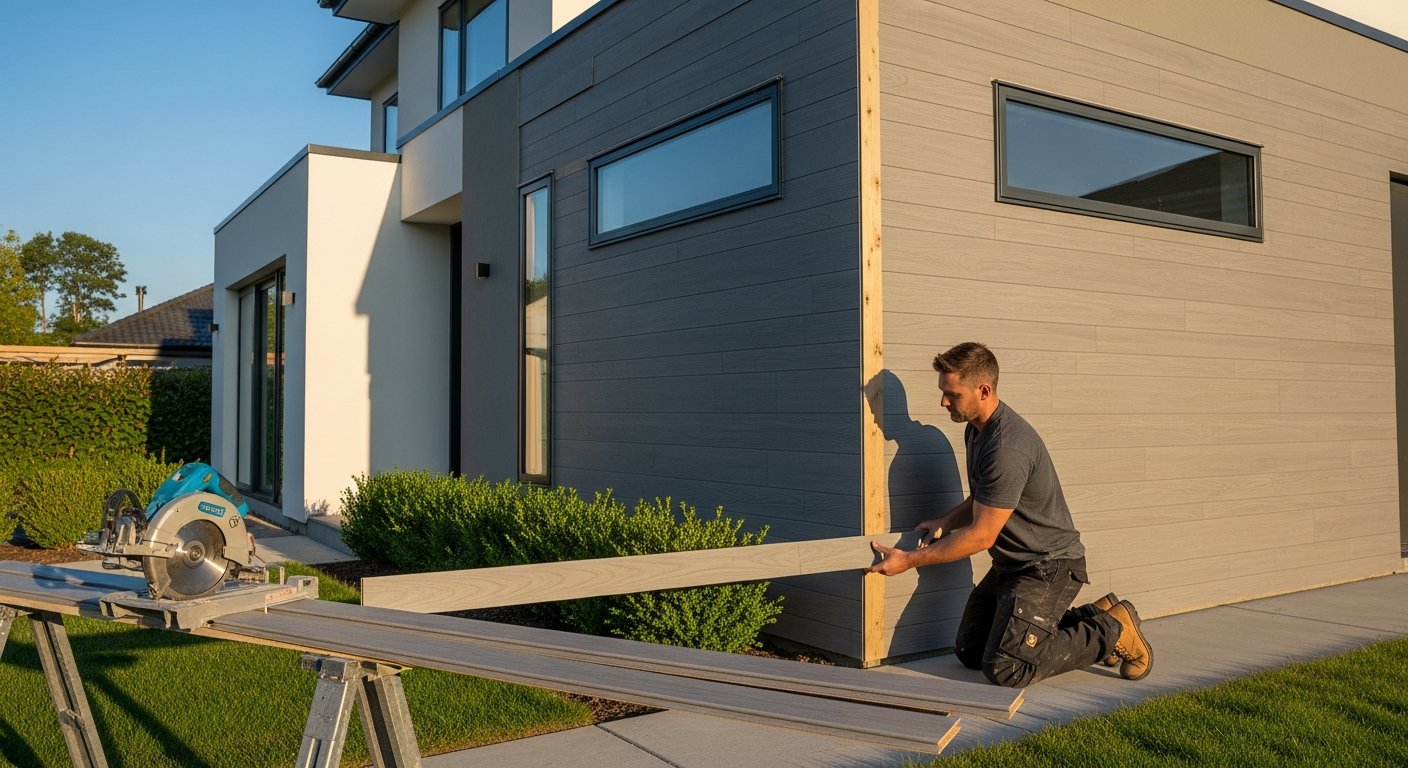
Fiber Cement Siding: Durability Meets Curb Appeal
Fiber cement siding offers unmatched durability, fire resistance, and curb appeal. Learn why it's a smart investment for your home.

By Justin Parker
Learn more about Siding Installation for guides, costs, and what to expect.
Compare Siding Installation Pros Near You

Enter your ZIP code to compare top-rated local professionals and request free quotes.
When it comes to protecting your home from the elements while boosting its visual appeal, few materials strike a balance like fiber cement siding. Homeowners often find themselves torn between the classic warmth of wood, the low maintenance of vinyl, and the fire resistance of stucco. Fiber cement siding, a composite material made from cement, sand, and cellulose fibers, offers a compelling solution that addresses all these concerns. It is engineered to mimic the appearance of wood, masonry, or stucco, but with a durability profile that outlasts many traditional options. If you are planning an exterior renovation or building a new home, understanding the true value of this siding is essential. In this guide, we will break down its benefits, costs, installation process, and how it compares to alternatives, helping you make an informed decision for your property.
Why Choose Fiber Cement Siding for Your Home?
Fiber cement siding has surged in popularity among homeowners and contractors for good reason. Unlike wood, it does not rot, warp, or attract termites. Unlike vinyl, it is resistant to impact damage and extreme temperatures. The material is non-combustible, which can provide peace of mind in wildfire-prone areas and may even help reduce insurance premiums. Its composition also means it can stand up to moisture, hail, and high winds, making it a robust choice for a variety of climates, from the humid Gulf Coast to the dry Southwest.
Beyond its physical resilience, fiber cement siding offers exceptional aesthetic flexibility. It is available in a wide range of styles, including lap siding, shingles, and vertical panels, and it can be painted in virtually any color. This adaptability allows you to achieve a custom look that enhances your home's architectural style, whether you prefer a modern, craftsman, or traditional farmhouse aesthetic. In our guide on combining brick and siding for elegance, we discuss how mixing materials can elevate curb appeal, and fiber cement is a perfect candidate for such designs.
Key Benefits at a Glance
Before we dive deeper, let's summarize the primary advantages that make fiber cement siding a top contender for your exterior renovation:
- Longevity: With proper installation and maintenance, fiber cement can last 50 years or more, far exceeding many alternatives.
- Fire Resistance: The cement-based composition is non-flammable, providing a critical layer of protection against fires.
- Low Maintenance: Unlike wood, it requires no frequent staining or sealing. A simple periodic wash and repainting every 10-15 years are sufficient.
- Pest and Rot Resistant: It is impervious to termites and does not rot, warp, or delaminate when exposed to moisture.
- Weather Resistance: It can withstand high winds, hail, and extreme temperature fluctuations without cracking or buckling.
These benefits translate into tangible, long-term savings. While the upfront cost is higher than some materials, the reduced need for repairs and replacements makes it a smart investment. Moreover, the enhanced curb appeal and durability can significantly increase your home's resale value, making it an attractive feature for potential buyers.
Understanding the Cost and Installation Process
The cost of fiber cement siding is a primary consideration for most homeowners. On average, you can expect to pay between $5 and $10 per square foot for materials, with total installed costs ranging from $8 to $15 per square foot, depending on your location, the complexity of your home's design, and the contractor you choose. While this is more expensive than vinyl, which typically costs $3 to $7 per square foot installed, the added durability and lifespan often justify the premium. Labor costs are generally higher because the material is heavier and requires specialized cutting tools and techniques.
Installation is a job best left to professionals. The process involves several critical steps: measuring and cutting the siding, applying a weather-resistant barrier, attaching the siding with corrosion-resistant fasteners, and properly sealing all joints and corners. Incorrect installation can lead to moisture intrusion, which defeats the material's purpose. When you source a qualified contractor through a platform like 180 Remodel, you can ensure that the installation is done correctly, protecting your investment and avoiding future headaches.
Steps in a Professional Installation
Here is a simplified overview of what a professional installation entails, so you know what to expect:
- Site Preparation: The crew will protect your landscaping, remove old siding, and inspect the sheathing for any underlying damage.
- Moisture Barrier: A high-quality house wrap is applied over the sheathing to prevent water from seeping into the wall cavity.
- Cutting and Fitting: Fiber cement boards are measured, scored, and cut to size. Professionals use dust-control tools to minimize mess.
- Attachment: The siding is nailed or screwed into the framing, leaving proper expansion gaps at joints and corners.
- Finishing and Sealing: Joints are caulked, and the siding is primed and painted (or a pre-finished product is used) to create a seamless, weather-tight exterior.
After installation, you can enjoy a virtually maintenance-free exterior. The primary upkeep involves washing the siding with a garden hose to remove dirt and checking for any cracks from accidental impacts. Repainting is the only significant recurring task, and it's recommended every 10 to 15 years to keep the color fresh and maintain the protective layer.
Fiber Cement vs. Other Siding Options
To fully appreciate fiber cement siding, it's helpful to compare it with other popular materials. Vinyl siding is the most common competitor, known for its low cost and ease of installation. However, vinyl can become brittle in extreme cold, warp in high heat, and is prone to cracking from hail or flying debris. It also tends to fade over time and is difficult to repair once damaged.
Wood siding, such as cedar shingles or clapboard, offers a classic, natural look that many homeowners love. Yet, wood demands constant maintenance: regular staining or painting, sealing, and vigilant pest control. It is also susceptible to rot in damp climates and can be a fire hazard. On the other hand, engineered wood products offer a compromise but generally lack the fire resistance and longevity of fiber cement.
For a rustic aesthetic, some homeowners consider log siding. While beautiful, it presents unique maintenance challenges. Our article on log siding for homes explores those details, but in most cases, fiber cement's durability and low maintenance make it a more practical, long-term choice for a primary residence.
Environmental Impact and Energy Efficiency
For the eco-conscious homeowner, fiber cement siding has several positive attributes. Its long lifespan means less frequent replacement, reducing construction waste over time. The primary raw materials (cement, sand, and wood fiber) are abundant, and many manufacturers use recycled content in their products. Furthermore, the siding itself acts as an additional insulating layer, helping to moderate your home's temperature and potentially lowering energy bills. While it's not the most insulating cladding available, it does work in tandem with your wall insulation to improve overall energy efficiency.
When you choose a durable material like fiber cement, you are making a sustainable choice. You are reducing the demand for new materials and the energy required to manufacture and transport them. This aligns with broader home improvement goals that focus on energy efficiency and sustainable living. The material's resistance to moisture also helps prevent mold and mildew growth, contributing to better indoor air quality and a healthier living environment.
Making the Right Choice with a Professional Contractor
Selecting the right siding for your home is a significant decision. It affects not only your home's appearance but also its structural integrity and comfort. Fiber cement siding offers a compelling package of durability, aesthetics, and low maintenance that is hard to beat. However, the key to unlocking its full potential lies in choosing the right material profile and, more importantly, the right installer. A poorly installed fiber cement system can fail prematurely, leading to water damage and costly repairs.
This is where a service like 180 Remodel becomes invaluable. They connect you with vetted, professional contractors who specialize in exterior remodeling, including siding installation. You can receive multiple, customized quotes from experts who understand local building codes and best practices. This approach not only saves you time and stress but also ensures that your new siding is installed correctly, backed by the expertise of professionals who are committed to the longevity of your home.
In summary, fiber cement siding provides an exceptional return on investment for homeowners seeking a balance of beauty and brawn. Its resilience against fire, pests, moisture, and temperature extremes makes it a worry-free option for decades. By investing in professional installation, you are protecting your home and enhancing its value for years to come. If you're ready to explore this option for your home, getting a detailed quote from experienced contractors is the smart next step.
Learn more about Siding Installation for guides, costs, and what to expect.
Compare Siding Installation Pros Near You
Enter your ZIP code to compare top-rated local professionals and request free quotes.