Essential Plumbing System Upkeep for Homeowners
"*" indicates required fields
You notice a faint drip under the kitchen sink, or maybe your shower takes a little longer to drain each week. At first, it’s easy to ignore,just a minor annoyance. But hidden behind your walls and under your floors, small plumbing issues are often the first sign of a system in need of upkeep. Left unaddressed, that slow drain can become a full clog, and that tiny drip can lead to mold, water damage, and costly repairs. Proactive plumbing system upkeep is the key to protecting your home, your wallet, and your peace of mind.
Understanding Plumbing System Upkeep
Plumbing system upkeep is the regular maintenance and timely repair of all the pipes, fixtures, and appliances that bring water in and take waste out of your home. It’s not just about fixing leaks when they burst. It’s about preventing problems before they start.
This need arises because everything in your home has a lifespan. Pipes can corrode or develop mineral buildup from hard water. Seals and gaskets in faucets and toilets dry out and crack over time. Even normal use causes gradual wear and tear.
All homes are affected, but older homes with original galvanized steel pipes are particularly susceptible. Homes in areas with hard water or extreme temperature swings also face accelerated wear. A proactive approach, as outlined in our guide to plumbing system evaluation, helps you understand your home’s specific needs.
Why This Matters for Your Home
Ignoring your plumbing is a risk you can’t see. A small leak inside a wall can soak insulation and rot wooden studs for months before you see a water stain on your ceiling. By then, the structural damage and potential for toxic mold growth can be extensive and very expensive to fix.
Beyond property damage, there are real safety concerns. Undetected leaks can lead to electrical hazards or slippery floors. A malfunctioning water heater can pose scalding or even explosion risks. Good upkeep ensures your home remains a safe, comfortable, and healthy environment for your family.
If you notice signs of this issue in your home, it may help to speak with a qualified contractor. Request a free quote or call to explore your repair or remodeling options.
Common Problems Homeowners Experience
Plumbing problems rarely announce themselves with a bang. They start subtly, often in the places you use every day. You might experience a drop in water pressure in your shower, hear a strange gurgling from a drain, or notice a musty smell in a bathroom.
These are symptoms of underlying issues. Low pressure could mean mineral-clogged pipes. Gurgling drains often signal venting problems or partial blockages. Musty smells frequently point to leaks you can’t yet see. Addressing these early is always simpler and cheaper than dealing with a full failure.
- Persistent clogs in sinks, tubs, or toilets
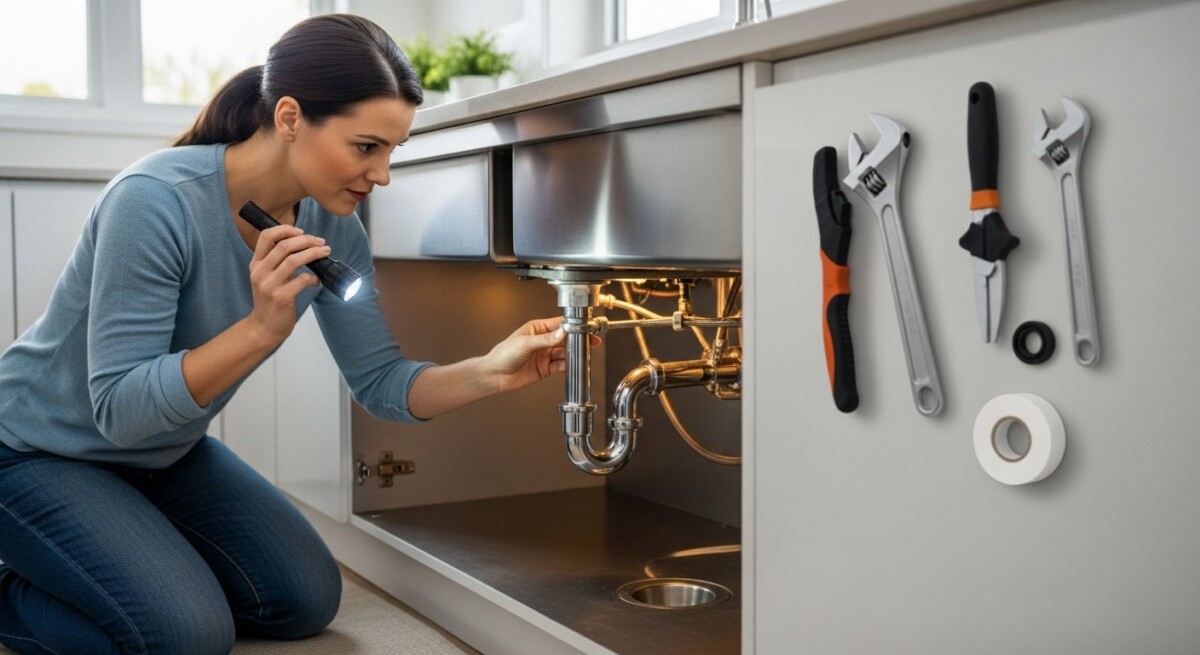
- Leaking faucets, showerheads, or under-sink pipes
- Running toilets that waste hundreds of gallons of water
- Low water pressure throughout the house or at specific fixtures
- Discolored water (yellow, brown, or rusty)
- Slow drainage that seems to be getting worse
How Professionals Solve the Problem
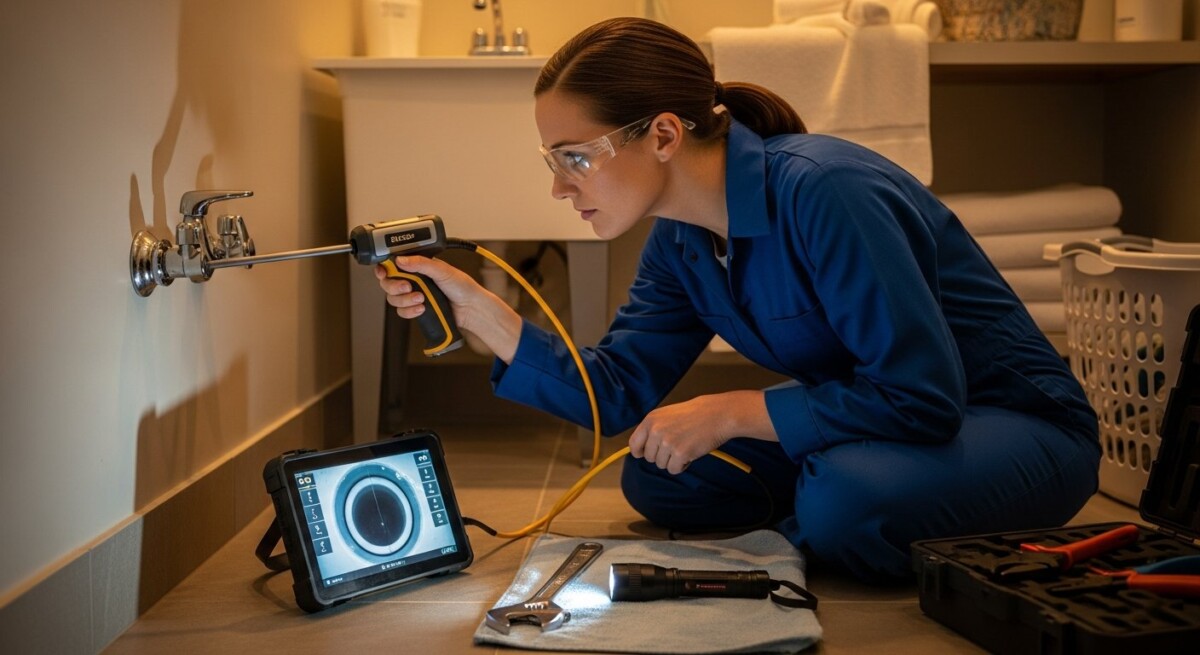
Professional plumbers bring diagnostic tools, years of experience, and the right parts to solve problems efficiently and correctly. What might take a homeowner an entire weekend of trial and error, a pro can often diagnose and fix in an hour. They also know local building codes, ensuring repairs are safe and up to standard.
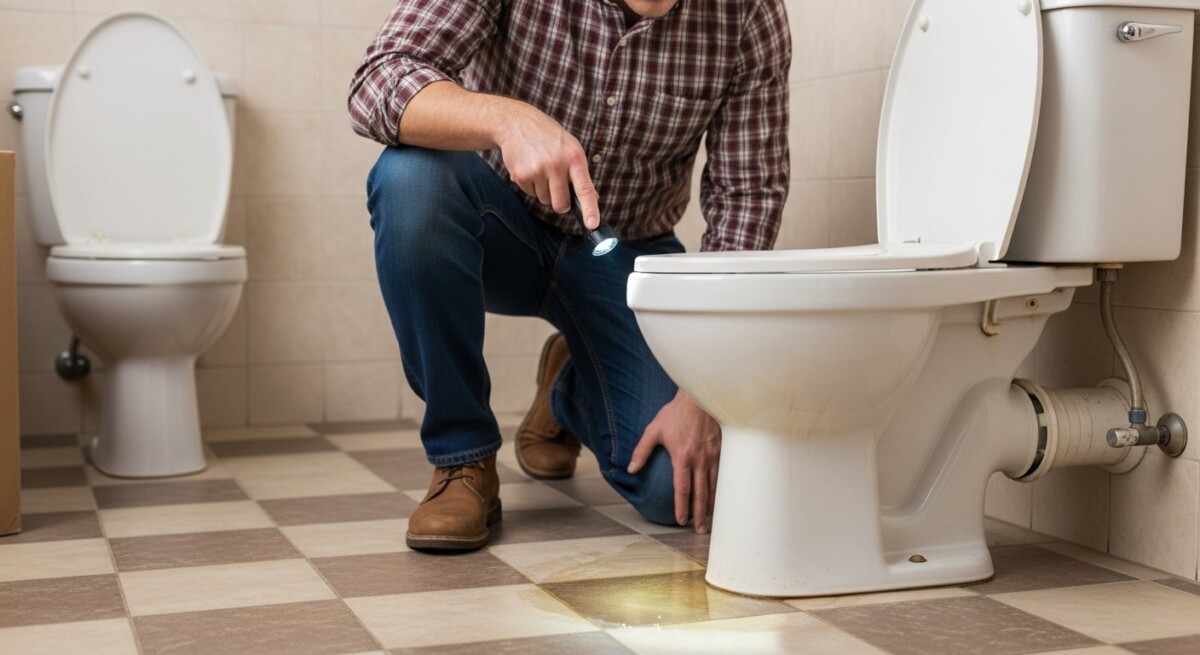
The process typically starts with a thorough inspection to identify the root cause, not just the symptom. From there, they can recommend the most effective and long-lasting solution, whether it’s a simple repair, a partial repipe, or a fixture replacement.
- Inspection & Diagnosis: Using cameras, pressure gauges, and expertise to pinpoint the exact issue.
- Clear Explanation: Discussing the problem, your options, and the associated costs before any work begins.
- Precise Repair/Replacement: Using professional-grade tools and materials to fix the problem correctly.
- Testing & Cleanup: Ensuring everything works perfectly and leaving your home as clean as they found it.
A professional inspection can reveal hidden issues before they become expensive repairs. Compare contractor quotes here or call to discuss your project.
Warning Signs You Should Not Ignore
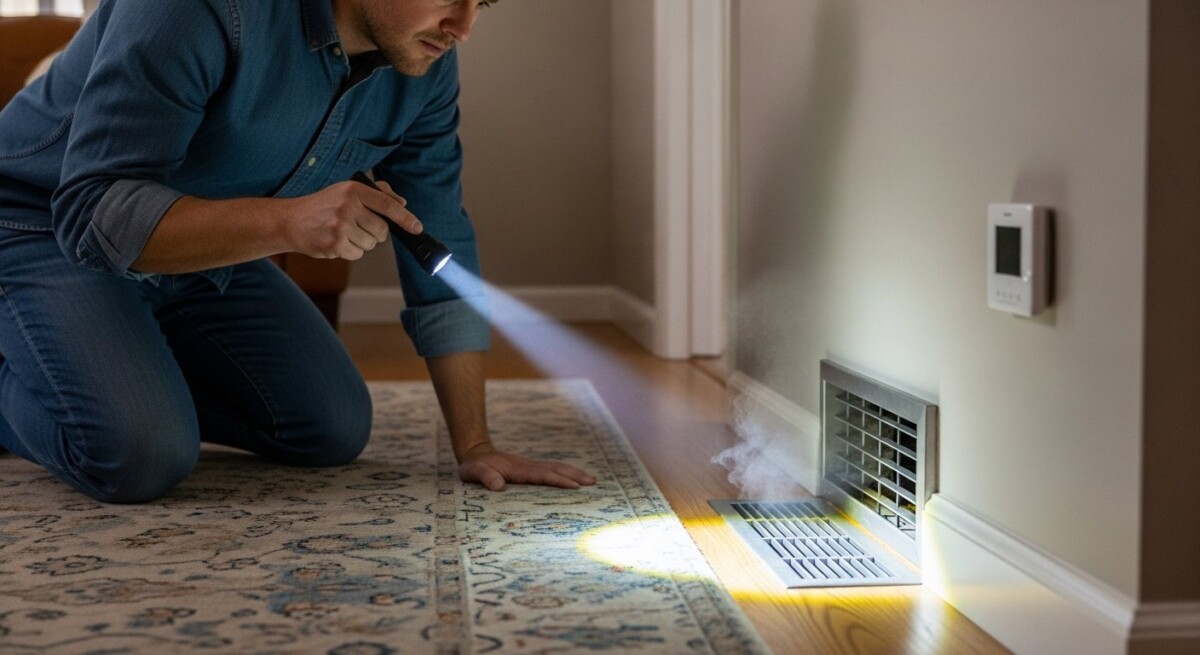
Your home’s plumbing system often sends clear signals when it needs attention. Learning to recognize these warnings is the first step in responsible homeownership. Acting quickly can turn a minor, affordable repair into a major, budget-breaking disaster.
Pay attention to changes in performance, sounds, or even your water bill. A sudden, unexplained increase in your water bill is one of the clearest signs of a hidden leak. Don’t dismiss these clues,they are your home asking for help.
- Unexplained increases in your monthly water bill
- Water stains on walls, ceilings, or under cabinets
- The sound of running water when no fixtures are in use
- Damp or warped flooring, especially near toilets, tubs, or sinks
- Mold or mildew growth on non-shower walls
- Sewage odors coming from drains or in your yard
What Affects the Cost of Repairs or Installation
The cost of plumbing work can vary widely, and that’s usually a good thing,it means the solution is tailored to your specific problem. A simple faucet cartridge replacement is very different from repiping an entire home. Understanding the cost factors helps you make informed decisions.
Key factors include the complexity of the job, the materials needed (standard vs. premium fixtures), and labor time. Accessibility is a major driver; a leak in an easy-to-reach basement pipe costs far less to fix than one buried inside a finished kitchen wall.
Costs can vary depending on the condition of your home. The best way to know the price is to get a personalized estimate. Request free quotes from contractors or call today.
How to Choose the Right Contractor
Finding a trustworthy plumbing professional is crucial. You’re inviting someone to work on a critical system inside your home. The right contractor will be communicative, transparent, and focused on providing a lasting solution, not just a quick fix.
Always start by verifying their license and insurance. This protects you if anything goes wrong. Then, look for experience with homes like yours and problems similar to yours. Reading recent customer reviews can give you great insight into their work ethic and reliability.
- Verify state and local licensing, plus liability and workers’ compensation insurance.
- Read online reviews and ask for references from recent, similar jobs.
- Get detailed, written estimates that break down labor, materials, and timeline.
- Compare quotes from at least 2-3 contractors to understand fair market pricing.
- Choose a contractor who communicates clearly and answers all your questions.
Long-Term Benefits of Professional Work
Investing in professional plumbing upkeep pays dividends for years. First and foremost, it ensures the safety of your household by eliminating risks from leaks, gas lines (for gas water heaters), and faulty installations. You gain peace of mind knowing the work was done to code and built to last.
Quality repairs and modern fixtures also improve your home’s efficiency, saving you money on water and energy bills. Perhaps most importantly, a well-maintained plumbing system is a significant asset. It boosts your home’s value and makes it more attractive to future buyers, who will appreciate the care you’ve taken.
How often should I have my plumbing inspected?
For most homes, a professional inspection every 1-2 years is a wise preventative measure. If your home is over 40 years old or you’ve experienced recurring issues, an annual check-up is recommended. This can catch small problems before they escalate.
Can I handle any plumbing upkeep myself?
Homeowners can safely perform minor tasks like cleaning drain screens, replacing washerless faucet cartridges with exact matches, and testing toilet flappers. However, for anything involving supply lines, main drains, gas lines, or opening walls, calling a professional is safer and more reliable.
What’s the difference between a clog and a blocked sewer line?
A clog is usually isolated to one fixture, like a single sink or toilet. A blocked main sewer line affects multiple drains throughout the house, often causing backups in lower-level fixtures. Sewer line issues require immediate professional attention.
Are chemical drain cleaners safe to use?
Most plumbers advise against them. These harsh chemicals can damage older pipes, create dangerous fumes, and harm the environment. For frequent clogs, a professional drain cleaning or a mechanical snake is a safer, more effective long-term solution.
How long do most plumbing repairs last?
A quality professional repair using modern materials should last for many years, often decades. The lifespan depends on the material (e.g., copper vs. PEX piping), water quality, and proper installation. Your contractor should be able to provide an expected lifespan for the specific repair.
Should I repair or replace my water heater?
This depends on its age and the cost of the repair. A common rule is the “50% rule”: if the repair costs more than half the price of a new unit and the heater is near the end of its typical lifespan (8-12 years for tank models), replacement is usually the more economical choice.
Your home’s plumbing is its circulatory system, essential for daily life and the health of your property. By paying attention to warning signs, understanding the value of professional work, and addressing issues early, you protect your investment and avoid emergency headaches. The most practical first step is to gather information. Comparing detailed quotes from trusted local contractors gives you the clarity and confidence to make the right decision for your home and budget.