Essential Plumbing Safety Tips for Homeowners
"*" indicates required fields
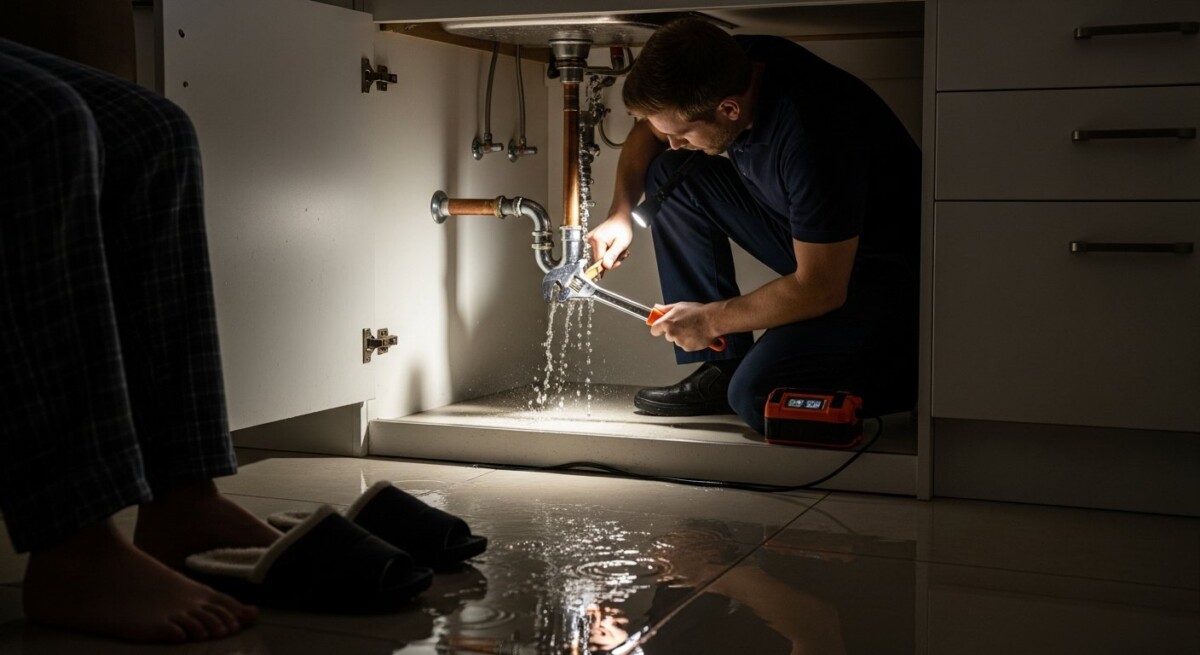
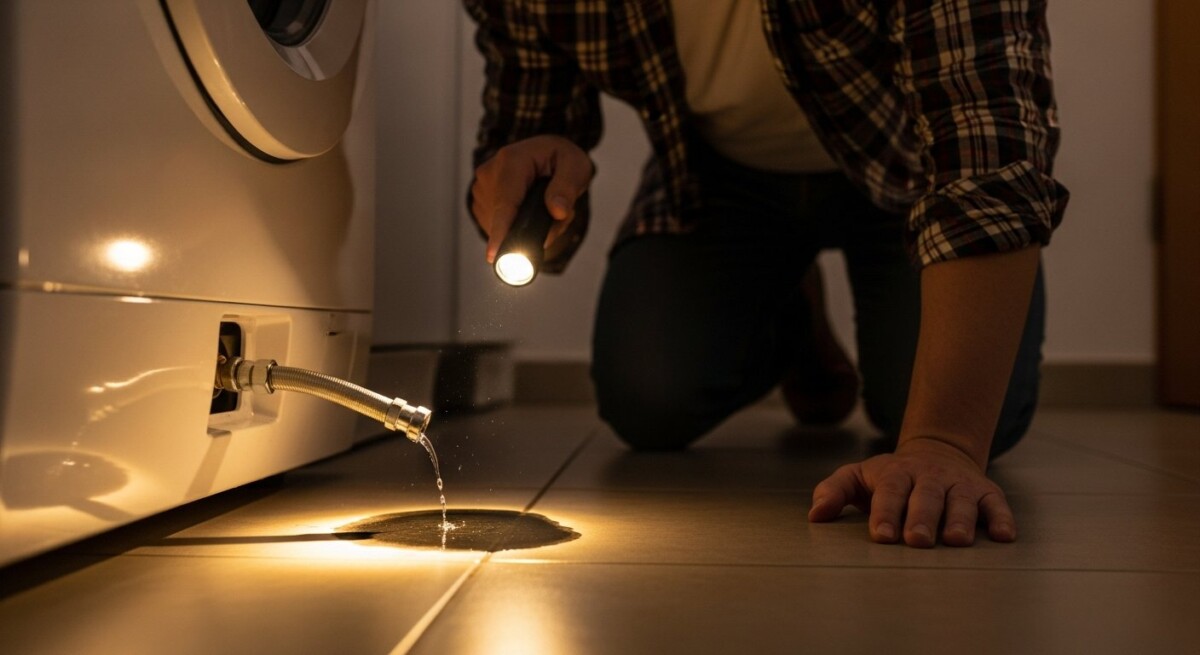
You’re relaxing at home when you notice a faint, musty smell from the laundry closet. A quick peek reveals a small, dark puddle under the washing machine hose connection. It’s just a little water, so you wipe it up and think nothing of it. But that small, ignored leak is a classic example of a plumbing safety issue waiting to escalate into major water damage, mold growth, or even a catastrophic pipe failure. Understanding basic plumbing safety tips isn’t about becoming an expert; it’s about protecting your biggest investment,your home,from preventable disasters.
Understanding Plumbing Safety Tips
Plumbing safety is the practice of maintaining your home’s water and drainage systems to prevent accidents, damage, and health hazards. It involves knowing what to look for, what actions to take, and when to call for help.
These issues can happen in any home, regardless of age. While older homes with original pipes are more susceptible, even new builds can have installation flaws or suffer from normal wear and tear. The goal is to be proactive, not reactive.
Why This Matters for Your Home
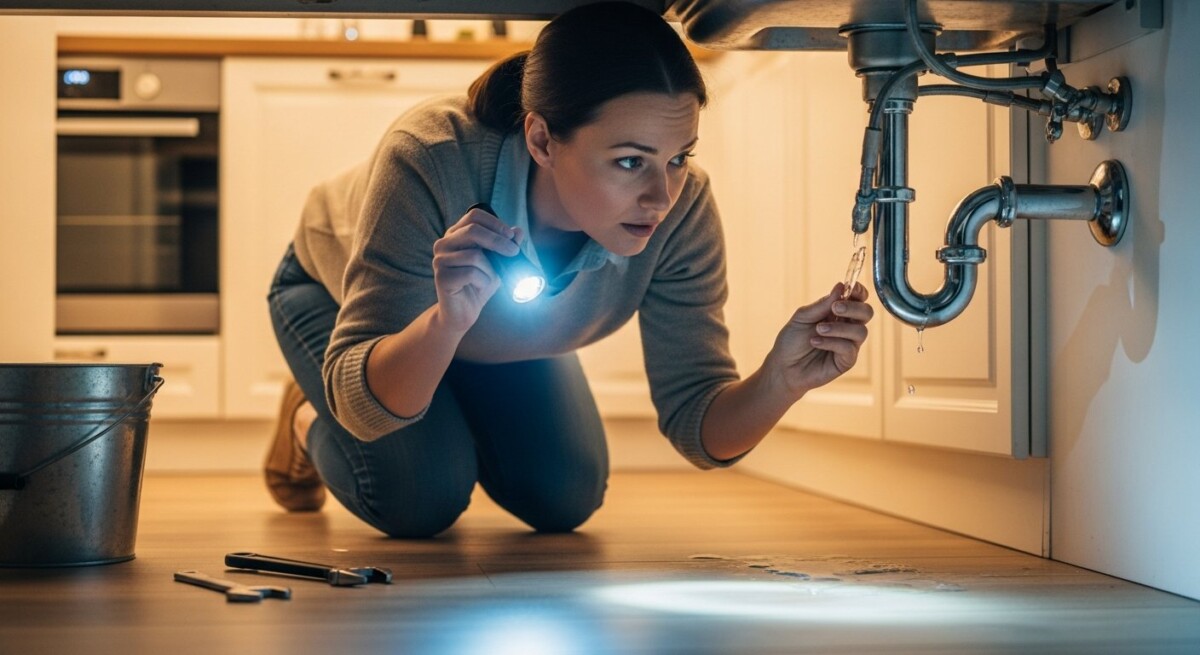
Ignoring minor plumbing issues is a gamble with high stakes. A slow drip under a sink can rot cabinets and subflooring, leading to repairs costing thousands. More critically, a faulty water heater can pose a carbon monoxide or scalding risk, and a hidden leak inside a wall can create perfect conditions for toxic mold.
Beyond safety and property damage, plumbing problems hit your wallet in other ways. A running toilet or a dripping faucet wastes hundreds of gallons of water a year, spiking your utility bills. Addressing issues early preserves your home’s value, ensures your family’s comfort, and provides peace of mind.
If you notice signs of this issue in your home, it may help to speak with a qualified contractor. Request a free quote or call to explore your repair or remodeling options.
Common Problems Homeowners Experience
Most plumbing safety concerns start small and are easy to miss if you’re not looking for them. They often manifest in everyday annoyances that we learn to live with, like a sink that drains slowly or a toilet that runs occasionally.
These aren’t just quirks of an older house; they are symptoms. Left unaddressed, they evolve from nuisances into emergencies. Being aware of these common problems is the first step in safeguarding your home.
- Leaky Fixtures & Connections: Dripping faucets, showerheads, and loose hose bibs or appliance connections.
- Clogged or Slow Drains: Recurring blockages in sinks, tubs, or showers that indicate buildup or a deeper obstruction.
- Running Toilets: The sound of constant water refilling the tank, which wastes water and strains components.
- Low Water Pressure: A sudden or gradual drop in pressure from faucets or showerheads, potentially signaling pipe corrosion or a leak.
- Water Heater Issues: Signs like rust-colored water, rumbling noises, or moisture around the base of the unit.
- Sewer Line Problems: Multiple drains backing up simultaneously, gurgling sounds from drains, or foul odors in the yard.
How Professionals Solve the Problem
A professional plumber brings diagnostic tools, code knowledge, and years of experience that a homeowner simply can’t match. They don’t just fix the symptom you see; they trace it to the root cause to prevent it from recurring. This systematic approach is what makes professional work durable and reliable.
For a typical repair, a qualified contractor follows a thorough process. This ensures the job is done safely, correctly, and up to current building standards, which is crucial for both your safety and your home’s insurance and resale value.
- Inspection & Diagnosis: Using cameras, pressure gauges, and visual checks to pinpoint the exact source and scope of the problem.
- Clear Explanation & Quote: Providing a detailed plan of action and a transparent cost estimate before any work begins.
- Safe Work Preparation: Shutting off the correct water supply lines, draining systems, and ensuring a safe workspace.
- Precise Repair or Replacement: Using proper techniques and materials to fix or replace the faulty component.
- Testing & Cleanup: Thoroughly testing the repair for leaks and functionality, then cleaning the work area completely.
A professional inspection can reveal hidden issues before they become expensive repairs. Compare contractor quotes here or call to discuss your project.
Warning Signs You Should Not Ignore
Your home often gives you clear signals that something is wrong with its plumbing. Learning to recognize these red flags can save you from a major disaster. Acting quickly when you spot them is the most cost-effective safety strategy you can employ.
Some signs are obvious, while others are more subtle. Trust your senses,if you see discoloration, hear unusual sounds, or smell something odd, investigate further. For a comprehensive look at protecting your entire system, our detailed guide to home plumbing safety covers these warning signs in depth.
- Unexplained Water Stains: Yellow or brown stains on ceilings, walls, or under cabinets.
- Persistent Damp Spots or Mold: Mold growth or constantly damp areas on floors, especially near plumbing fixtures.
- Sudden Spike in Water Bills: An increase you can’t attribute to normal seasonal use often points to a hidden leak.
- Sounds of Running Water: Hearing water run when all fixtures are turned off.
- Foundation Cracks or Soggy Yard: Unexplained wet patches in your lawn or new cracks in your home’s foundation.
- Foul Odors: Persistent sewer smells from drains or in the home, indicating a dry trap or venting issue.
What Affects the Cost of Repairs or Installation
The cost of plumbing work isn’t a one-size-fits-all number. It depends on several factors specific to your home and the problem at hand. Understanding these variables helps you interpret quotes and see the value in professional service.
For instance, fixing an accessible leak under a kitchen sink is far less labor-intensive than replacing a section of pipe buried inside a finished wall. The materials also matter; standard PVC is less expensive than copper or PEX for repiping projects. The age of your home can increase cost if outdated materials need special adapters or if access is difficult.
Costs can vary depending on the condition of your home. The best way to know the price is to get a personalized estimate. Request free quotes from contractors or call today.
How to Choose the Right Contractor
Selecting the right professional is as important as deciding to make the repair. A trustworthy contractor ensures the job is done safely, correctly, and for a fair price. They become a partner in maintaining your home’s long-term health.
Always start by verifying their credentials. A licensed and insured plumber protects you from liability and guarantees they meet state or local competency standards. Don’t hesitate to ask for proof and check online reviews from past customers.
- Verify License & Insurance: Confirm they hold a current state plumbing license and carry both liability and worker’s compensation insurance.
- Check Reviews & References: Read online testimonials and ask for references from recent jobs similar to yours.
- Get Detailed, Written Estimates: A professional quote should itemize labor, materials, and permit costs, not just be a single bottom-line number.
- Compare Multiple Quotes: Get at least three estimates to understand the market rate and scope of work for your project.
- Ask About Experience & Process: Inquire how long they’ve been in business and their specific plan for your repair, including cleanup and warranty.
Long-Term Benefits of Professional Work
Investing in professional plumbing repairs pays dividends far beyond fixing the immediate issue. Quality workmanship extends the life of your entire plumbing system, preventing a cycle of recurring problems. It’s a cornerstone of responsible homeownership.
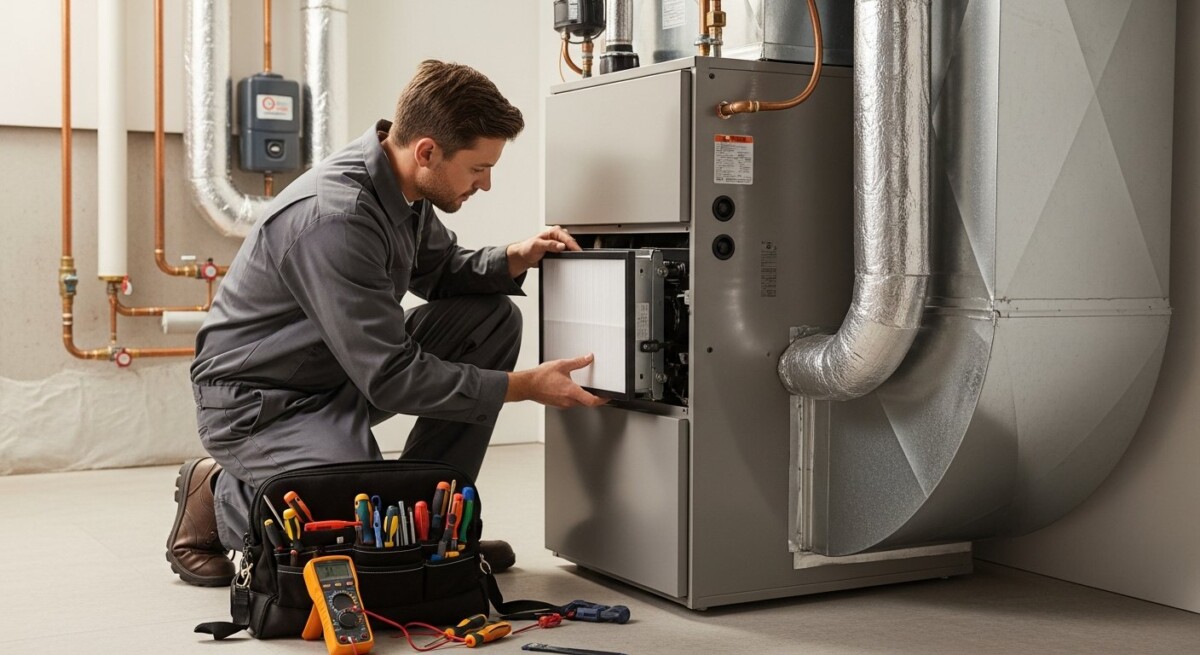
Professionally installed or repaired systems operate more efficiently, saving you money on water and energy bills. They also enhance your home’s safety and market value. A well-documented history of professional plumbing work is a strong selling point, assuring potential buyers that the home has been properly cared for. Just as with plumbing, maintaining other home systems is vital; for example, following proper HVAC safety tips ensures your heating and cooling are reliable and safe.
Ultimately, the peace of mind that comes from knowing a critical system in your home is sound and secure is invaluable. You avoid the stress of midnight emergencies and the financial shock of uncontrolled water damage, allowing you to simply enjoy your home.
What is the most important plumbing safety tip for homeowners?
The single most important tip is to know the location of your main water shut-off valve and how to use it. In a major leak emergency, turning off this valve can prevent catastrophic flooding and thousands of dollars in water damage. Test it once a year to ensure it turns easily.
Can I use chemical drain cleaners for clogs?
It is strongly recommended to avoid chemical drain cleaners. They are highly corrosive and can damage your pipes over time, leading to leaks. They are also hazardous to your health and the environment. For a clog, use a plunger or a drain snake, or call a professional for persistent blockages.
How often should I have my plumbing inspected?
For most homes, a professional inspection every two years is a good preventative measure. If your home is over 40 years old or you’ve had recurring issues, an annual check-up is wise. You should also inspect visible pipes, fixtures, and under sinks yourself every few months.
What should I do if I smell gas in my home?
If you smell gas (a rotten egg odor), this is an immediate emergency. Do not turn on or off any lights or electrical switches. Evacuate everyone from the house immediately and call your gas company or 911 from a safe distance outside. Do not re-enter the home. For more on this critical topic, see our dedicated resource on gas plumbing safety for homeowners.
Is a slow-draining sink really a safety issue?
Yes, it can be. While not an immediate danger, a chronically slow drain indicates a blockage that can lead to sewage backups. This can introduce harmful bacteria and contaminants into your home. It’s a warning sign that should be addressed before it becomes a health hazard.
What’s the risk of an old water heater?
Water heaters older than 10-15 years risk failure, which can cause significant flooding. More critically, they can develop issues with temperature/pressure relief valves or sediment buildup, affecting performance and safety. An old gas water heater also has a higher risk of carbon monoxide leaks.
Should I attempt to repair a leak myself?
For very minor fixes, like replacing a washer in a faucet, a confident DIYer may succeed. However, for anything involving supply lines, sewer lines, or the main water system, professional help is safer. An improper repair can fail catastrophically, causing far more damage than the original leak.
How can I prevent frozen pipes?
Insulate pipes in unheated areas like crawl spaces, garages, and attics. During extreme cold, let a trickle of water run from faucets served by exposed pipes. Keep cabinet doors open under sinks to allow warm air to circulate. Know how to shut off your water if a pipe does burst.
Your home’s plumbing is its circulatory system, and keeping it safe requires awareness and timely action. By recognizing warning signs, understanding the value of professional work, and addressing small issues before they grow, you protect your family, your property, and your investment. The most practical step you can take today is to gather information,starting by comparing detailed quotes from qualified local contractors to understand your options and costs.