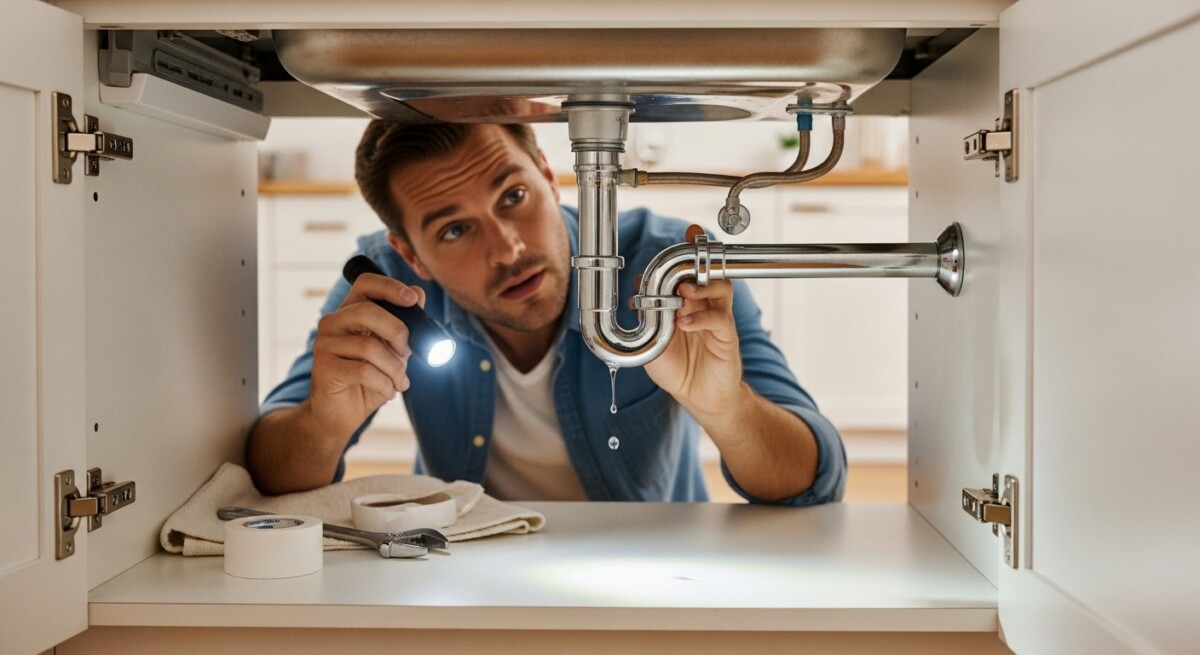
Essential Plumbing Maintenance Tips for Homeowners
"*" indicates required fields
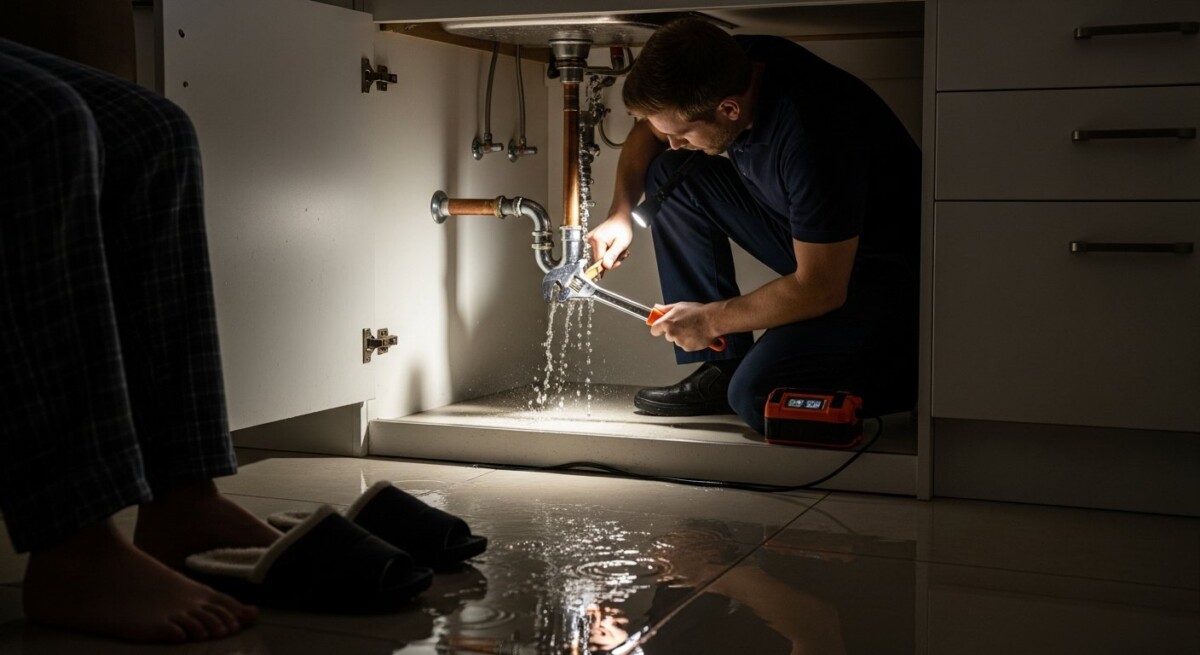
You’re washing dishes when you notice the water draining slower than usual. A few days later, you hear a faint drip under the kitchen sink. These small annoyances are easy to brush off, but they’re often your home’s first whispers for help. Ignoring them can lead to a chorus of problems like water damage, mold growth, and sky-high repair bills. Simple plumbing maintenance tips can help you catch these issues early, protecting your home, your wallet, and your peace of mind.
Understanding Plumbing Maintenance Tips
Plumbing maintenance is the regular care and inspection of your home’s water and drainage systems. It’s about being proactive rather than reactive, addressing small issues before they become big emergencies.
This includes everything from your water heater and pipes to your faucets, toilets, and drains. Every home is affected, but older homes with aging pipes and newer homes where systems are settling often need the most vigilant attention.
It’s More Than Just Fixing Leaks
True maintenance is a holistic approach. It combines simple DIY checks with knowing when to call a professional. The goal is to ensure everything flows smoothly, efficiently, and safely for years to come.
Why This Matters for Your Home
Your plumbing system is the circulatory system of your house. When it fails, the consequences go far beyond a simple inconvenience. A single, persistent leak inside a wall can cause structural rot, attract pests, and create toxic mold that harms your family’s health.
Beyond damage, poor maintenance hits your wallet directly. A running toilet can waste hundreds of gallons of water a month, and sediment-clogged water heaters work much harder, spiking your energy bills. Investing a little time and care now protects your home’s value and prevents stressful, expensive disasters later.
If you notice signs of this issue in your home, it may help to speak with a qualified contractor. Request a free quote or call to explore your repair or remodeling options.
Common Problems Homeowners Experience
Most plumbing issues start small and gradually get worse. You might first see a small stain on the ceiling or notice your shower doesn’t get as hot as it used to. These are signals that something in the system needs attention.
Left unchecked, minor drips can corrode pipes, and slow drains can become completely blocked backups. Understanding these common problems helps you act quickly. For a comprehensive look at keeping your entire home running smoothly, our guide on essential HVAC maintenance tips offers valuable parallel advice for your heating and cooling systems.
- Clogged Drains: Hair, soap scum, and grease slowly build up in sinks, showers, and tubs.
- Running Toilets: A faulty flapper or fill valve wastes water constantly, often with a subtle sound.
- Low Water Pressure: This can be caused by mineral buildup in aerators or more serious pipe issues.
- Leaky Faucets & Fixtures: Worn-out washers or seals cause drips that add up on your water bill.
- Water Heater Issues: Lack of hot water, strange noises, or discolored water signal sediment buildup or component failure.
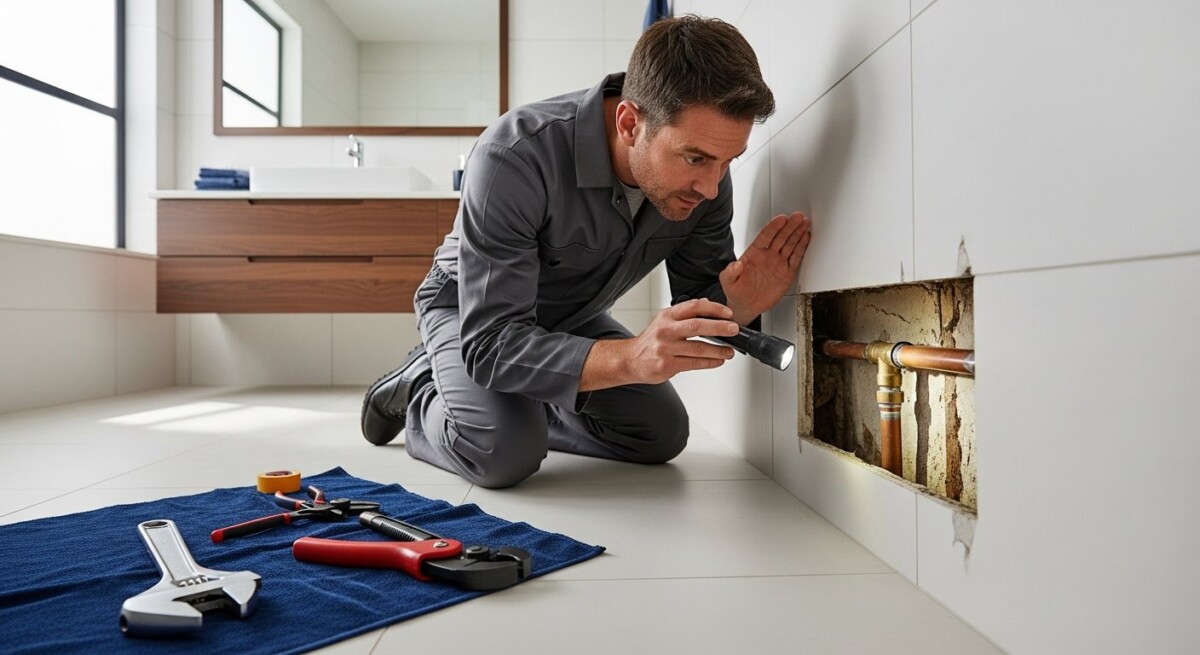
- Hidden Pipe Leaks: These are the most dangerous, often hidden behind walls or under floors until major damage appears.
How Professionals Solve the Problem
While homeowners can handle some basic upkeep, professional plumbers bring expertise, specialized tools, and a trained eye for hidden problems. They don’t just fix the symptom you see; they diagnose the root cause to prevent it from happening again.
A professional approach is systematic and efficient. They follow a process that ensures the repair is safe, up to code, and built to last, saving you from recurring issues and DIY mishaps that can sometimes make problems worse.
- Inspection & Diagnosis: Using cameras for drains and pressure tests for pipes, they pinpoint the exact issue and its location.
- Clear Explanation: A trustworthy contractor will explain the problem, your options, and the associated costs before any work begins.
- Precise Repair or Replacement: Using the correct materials and techniques, they fix the problem efficiently, whether it’s repiping a section, replacing a valve, or clearing a main line.
- Testing & Cleanup: They test the repair thoroughly, ensure no new leaks exist, and leave your home as clean as they found it.
A professional inspection can reveal hidden issues before they become expensive repairs. Compare contractor quotes here or call to discuss your project.
Warning Signs You Should Not Ignore
Your home gives you clues long before a pipe bursts. Learning to recognize these warning signs is the most powerful part of preventative maintenance. Acting on them early is always simpler and cheaper than dealing with a full-blown emergency.
Some signs are obvious, like a puddle. Others are more subtle, like a musty smell or an unexplained increase in your water bill. Trust your senses,if something seems off, it probably is.
- Unexplained increases in your water bill
- Damp spots, stains, or peeling paint on walls, ceilings, or floors
- The sound of running water when no fixtures are on
- Persistent foul odors coming from drains
- Gurgling sounds from drains or toilets
- Foundation cracks or patches of unusually lush grass in your yard (signs of a sewer line leak)
What Affects the Cost of Repairs or Installation
The cost of plumbing work isn’t one-size-fits-all. It depends on a combination of factors specific to your home and the problem at hand. Understanding these factors helps you make sense of estimates and plan your budget.
Labor is a major component, and complexity drives time. A leak in an easily accessible under-sink pipe costs far less to fix than the same leak inside a finished wall that requires cutting and patching. The age of your home and the type of existing pipes also play a huge role, as older materials like galvanized steel are more problematic than modern copper or PEX.
Costs can vary depending on the condition of your home. The best way to know the price is to get a personalized estimate. Request free quotes from contractors or call today.
How to Choose the Right Contractor
Finding a plumber you trust is as important as the repair itself. A qualified professional provides peace of mind, quality workmanship, and a guarantee on their labor. Start by asking friends and neighbors for recommendations and checking online reviews.
Always verify their credentials before inviting them into your home. A legitimate contractor will be happy to provide proof of licensing, insurance, and any necessary permits for the job. This protects you from liability and ensures the work meets local building codes.
- Verify they are licensed, bonded, and insured.
- Read recent customer reviews and ask for references.
- Get detailed, written estimates that break down labor and material costs.
- Compare quotes from at least three different contractors.
- Ask about their experience with your specific issue and type of home.
- Ensure they offer a warranty on both parts and labor.
Long-Term Benefits of Professional Work
Investing in professional plumbing maintenance and repair pays dividends for years. It’s not just an expense; it’s an investment in your home’s health, efficiency, and value. Quality work lasts longer, performs better, and prevents the cycle of repeated minor fixes.
You’ll enjoy consistent water pressure, reliable hot water, and lower utility bills. You’ll also have the confidence that your system is safe, reducing the risk of catastrophic leaks or water damage that could compromise your home’s structure. This preventative care is a key part of overall home stewardship, much like the specialized care needed for other systems, which you can learn about in our article on solar panel maintenance tips for longevity.
Ultimately, a well-maintained plumbing system is a major selling point. When it comes time to sell your home, having records of professional maintenance and modern, trouble-free pipes is a strong advantage that can increase your home’s appeal and value.
How often should I have my plumbing professionally inspected?
For most homes, an annual professional check-up is a wise investment. A plumber can perform tasks like checking water pressure, inspecting your water heater, and looking for hidden leaks that you might miss. This annual visit is the cornerstone of a good plumbing maintenance service plan.
What are the most important DIY plumbing maintenance tasks?
Homeowners should monthly check for leaks under sinks and around toilets. Clean sink and shower drain strainers weekly, and pour a kettle of boiling water down drains monthly to melt grease. Annually, test your toilet for leaks with food coloring in the tank and know how to shut off your home’s main water valve.
Can I use chemical drain cleaners for clogs?
It’s best to avoid them. Chemical cleaners are harsh, can damage older pipes, and pose safety risks. For clogs, try a plunger or a manual drain snake first. For persistent problems, a professional with a motorized auger or hydro-jetter is safer and more effective.
How long do typical plumbing repairs take?
Simple repairs like fixing a leaky faucet or replacing a toilet flapper can often be done in under an hour. More complex jobs, like replacing a water heater or repairing a section of pipe, can take a half-day to a full day. Major projects like a full bathroom repipe may take several days.
What’s the difference between a plumbing repair and a replacement?
A repair fixes a specific, localized problem, like a joint or a valve. A replacement involves installing new components or sections of pipe, often because the existing material is corroded, outdated, or repeatedly failing. A professional can advise which approach is more cost-effective long-term.
Should I repair or replace my water heater?
Consider replacement if your unit is over 10-12 years old, requires frequent repairs, or isn’t meeting your hot water needs. If it’s newer and has a minor issue like a faulty heating element, repair is usually the better choice. A professional can help you weigh the costs.
What does “up to code” mean for plumbing work?
It means the installation or repair meets the current safety and quality standards set by your local building authority. This is crucial for safety, insurance, and when you sell your home. A licensed professional will ensure all work is permitted and inspected if required.
How can I prevent frozen pipes in winter?
Insulate pipes in unheated areas like crawl spaces and garages. On very cold nights, let a trickle of water run from faucets served by exposed pipes. Keep your home’s thermostat set to at least 55°F even when you’re away, and know how to shut off your water quickly if a pipe does freeze and burst.
Caring for your home’s plumbing is one of the most practical ways to protect your investment. By combining simple DIY habits with the expertise of a professional for inspections and complex issues, you can avoid emergencies and enjoy a reliable system for years. If you have concerns or are planning an upgrade, the smartest first step is to get informed estimates. Comparing quotes from qualified local contractors gives you clarity, options, and the confidence to make the best decision for your home.