
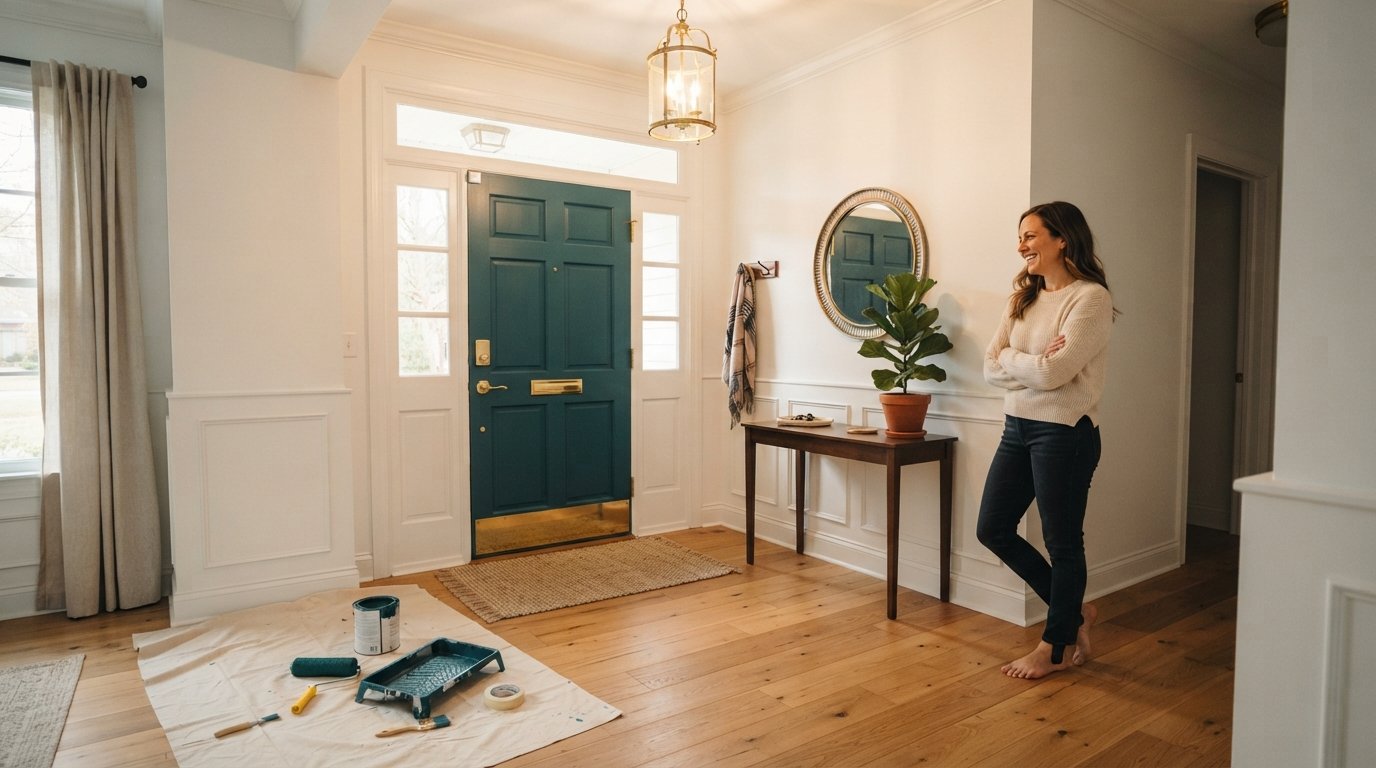
Entryway Renovation Ideas for a Strong First Impression
Transform your entryway with ideas that boost curb appeal and organization. For expert help, call (833)-365-8755 to get started today.

By Jackson Adams
Learn more about Room Remodel for guides, costs, and what to expect.
Compare Room Remodel Pros Near You

Enter your ZIP code to compare top-rated local professionals and request free quotes.
Your entryway is the handshake your home offers before anyone steps inside. It sets the tone for the entire visit, whether you are greeting guests, welcoming family back after a long day, or preparing to list your property. Yet this small, high-traffic zone is often the last space to receive attention during a renovation. The good news is that you do not need a massive budget to transform it. With the right entryway renovation ideas for a strong first impression, you can turn a cramped, cluttered pass-through into a functional and welcoming focal point that reflects your style and boosts your home's value.
In this guide, we break down practical, high-impact upgrades ranked by visual and functional payoff. You will find strategies for doors, paint, hardware, storage, flooring, lighting, and mirrors, plus budget tiers that range from a simple weekend refresh to a full foyer remodel. We will also show you how to connect with vetted professionals when a project moves beyond DIY territory, so you can enjoy a smoother process and a result that lasts.
Start with the Door: The Highest-Impact Entryway Upgrade
If you change only one thing, make it the door. A new or refreshed front door delivers an immediate return in curb appeal and security. Homeowners consistently rank door replacement among the most cost-effective exterior projects, and the effect on first impressions is undeniable. A solid, well-insulated door in a color that complements your exterior can make a dated facade look intentional and polished. If a full replacement is not in the budget, a fresh coat of paint and updated hardware can still deliver a dramatic shift for a fraction of the cost.
When choosing a door, consider both material and style. Fiberglass and steel doors offer durability and energy efficiency, while wood provides a classic, warm look that can be stained or painted. For a modern feel, consider a flush door with a sleek handle set. For traditional homes, a paneled door with a substantial knocker or kickplate adds character. The combination of door, paint, and hardware should work together rather than compete. A dark, rich door color on a light exterior creates a confident focal point, while a neutral door blends in for a more understated approach.
Here are three door, paint, and hardware combinations ranked by impact:
- High impact: A new fiberglass door in a deep charcoal or navy, paired with a satin nickel handle set and a matching kickplate. This combination modernizes the facade and frames the entrance.
- Medium impact: Repaint the existing door in a bold hue (such as forest green or barn red) and upgrade the handle and deadbolt to a matching brushed brass finish. This is a weekend project with a noticeable lift.
- Low impact, high return: Keep the door and simply swap the hardware for a cohesive set and add a new house number and welcome mat. Small details signal care and attention.
If you are considering a smart lock or video doorbell as part of your entryway upgrade, our guide on smart home renovation ideas for a modern, efficient home explains how to integrate those devices seamlessly. For larger projects like door replacement or structural changes, it is wise to bring in a licensed professional. Platforms like Repairmen connect homeowners with vetted local contractors for remodeling and repair work, which can save you time and reduce the risk of installation errors.
Storage and Bench Solutions for Narrow Entries
Clutter is the enemy of a good first impression. A narrow entryway often lacks closets, leaving shoes, bags, and coats to pile up. The solution is to build storage into the architecture or furniture. A shallow bench with built-in shoe storage can sit against a wall without blocking traffic flow. Above the bench, a row of hooks or a slim shelf with baskets keeps everyday items off the floor. If space is extremely tight, consider a wall-mounted folding bench or a console table with baskets underneath.
For a more permanent fix, a custom built-in bench with cubbies and a tall cabinet can transform a narrow hall into a functional mudroom. This type of millwork is best handled by a professional carpenter or remodeler who can maximize every inch. When planning, measure the clear walking path: aim for at least 36 inches of width so people can move through comfortably with bags or in winter coats. If your entryway is wider, a bench with storage on both sides can create a balanced, symmetrical look.
Here are a few storage and bench options to consider:
- Floating shelf with hooks: A slim shelf above a row of hooks provides a landing spot for keys and mail while hooks hold coats and bags.
- Bench with shoe cubbies: A bench with open cubbies underneath keeps shoes organized and off the floor.
- Tall cabinet with doors: A shallow, tall cabinet can hide bulky items like vacuum cleaners or seasonal gear.
- Console table with baskets: A narrow console with baskets or bins offers flexible storage without built-in installation.
- Corner bench: In a square entry, a corner bench can utilize dead space and provide seating.
Beyond the bench itself, think about the flow. A dedicated drop zone for mail and keys prevents paper piles from migrating to the kitchen. A small tray or bowl on a console can anchor these items. If you have children, low hooks and cubbies encourage them to hang up their own things. These small behavioral design choices make the entryway work harder for your daily life.
Flooring Transitions and Durable Materials for High-Traffic Zones
The entryway floor takes a beating: wet shoes, pet paws, grit, and constant foot traffic. Choosing a durable material is essential, and the transition from the entry to the rest of the home should be smooth and intentional. If your entryway is tiled and the adjacent room is hardwood, a transition strip or a change in flooring direction can signal the shift in zones. A well-executed transition can also prevent dirt from being tracked further into the house.
For high-traffic entries, consider porcelain or ceramic tile, luxury vinyl plank (LVP), or natural stone like slate. These materials resist moisture and stand up to heavy use. If you prefer the warmth of wood, engineered hardwood with a tough finish can work, but be prepared for more maintenance in wet climates. A mudroom area with a slightly recessed tile floor can contain water and snowmelt. Heated flooring is an optional upgrade that adds comfort and helps dry wet shoes faster.
When planning a flooring change, think about the subfloor and any height differences. A professional installer can ensure the transition is flush and secure, avoiding trip hazards. If you are remodeling multiple rooms at once, consider how the entryway flooring will meet the kitchen or living room floor. A cohesive palette can make the whole home feel larger and more connected.
Lighting and Mirror Placement to Make Entries Feel Larger
Entryways are often short on natural light, which can make them feel dim and cramped. Layered lighting is the fix. Start with a ceiling fixture that provides general illumination, such as a flush-mount or a small chandelier. Then add task lighting, like a wall sconce near a mirror or a table lamp on a console. A well-placed mirror can double the perceived space and bounce light around the room, making even a narrow hall feel more open.
Mirror placement matters. Hang a large mirror opposite a window or a light source to maximize reflected light. If there is no window, a mirror facing the main light fixture can still amplify brightness. For narrow entries, a tall, narrow mirror draws the eye upward and creates an illusion of height. Round mirrors soften angular spaces, while rectangular mirrors add structure. Consider the frame style as well: a slim metal frame feels modern, while a wood frame adds warmth.
Lighting controls also play a role. A dimmer switch lets you adjust the mood, and a smart bulb or switch can automate lighting schedules. If you are upgrading to smart lighting, our guide on smart home renovation ideas covers integration tips. For safety, ensure the entryway is well-lit at night, especially if there are steps or uneven surfaces.
Budget Tiers: From Weekend Refresh to Full Foyer Remodel
Entryway renovations can range from a few hundred dollars to tens of thousands, depending on scope and materials. To help you plan, we have broken down three budget tiers with typical projects and approximate cost ranges. These are general estimates; actual costs vary by region, home age, and contractor rates.
Tier 1: Weekend Refresh (under $500)
- Repaint the front door and trim.
- Replace the door handle and deadbolt.
- Add a new welcome mat and house numbers.
- Install a floating shelf with hooks.
- Add a mirror and a small console table.
This tier focuses on cosmetic changes that you can often complete yourself. It delivers a noticeable improvement in curb appeal and interior organization without major construction.
Tier 2: Mid-Range Upgrade ($1,500 to $5,000)
- Replace the front door with a new fiberglass or steel model.
- Install a built-in bench with cubbies.
- Upgrade lighting with a new fixture and dimmer.
- Install tile or LVP flooring in the entryway.
- Add a smart lock or video doorbell.
This tier often requires a handyman or contractor for installation. It balances cost and impact, addressing both aesthetics and function. A new door and flooring dramatically change the feel of the space.
Tier 3: Full Foyer Remodel ($8,000 to $25,000+)
- Reconfigure the layout to add a closet or expand the entryway.
- Install custom millwork and built-in storage.
- Upgrade to premium flooring (natural stone or hardwood).
- Add architectural details like wainscoting or a coffered ceiling.
- Integrate smart home controls and heated flooring.
This tier is a major renovation that typically requires permits and professional design. It is best for homeowners planning to stay long-term or those preparing to sell a high-value property. A well-designed foyer can add significant resale value and everyday enjoyment.
When planning your budget, remember to include contingency funds (typically 10 to 20 percent) for unexpected issues. If you are comparing contractors, 180 Remodel offers a free service that matches you with vetted professionals and provides customized quotes, helping you compare options quickly.
Bringing It All Together: Design and Functionality
The best entryway renovations balance beauty and practicality. A beautiful space that cannot handle daily life will quickly become cluttered again. As you plan, think about how you use the entry: Do you need a spot for keys and mail? A place to sit and put on shoes? Storage for sports equipment or pet supplies? Answering these questions will guide your choices.
Consider the senses as well. A textured rug, a pleasant scent, and a comfortable bench all contribute to a welcoming atmosphere. A small plant or a piece of art can add personality. These details make the entryway feel intentional and cared for. If you are working with a designer or contractor, share your daily routines so they can tailor storage and layout to your needs.
Finally, do not overlook maintenance. Choose materials that are easy to clean and durable. A washable rug, wipeable paint finishes, and sealed stone or tile will keep the entryway looking fresh for years. Regular upkeep, like tightening hardware and touching up paint, preserves the first impression you have worked to create.
When to Call a Professional
While many entryway updates are DIY-friendly, some projects require licensed professionals. Structural changes, electrical work, plumbing, and door replacement are best left to experts to ensure safety and code compliance. A professional can also help you avoid costly mistakes, like ordering a door that does not fit or installing flooring that buckles due to moisture. If your project involves permits, a contractor can navigate the process for you.
For homeowners who want to save time and reduce stress, using a matching service is a smart move. 180 Remodel connects you with vetted contractors in your area. You can submit a project request, receive multiple quotes, and compare options in one place. This competitive process helps you find the best value and gives you confidence in your choice.
Your entryway is more than a passageway; it is the opening chapter of your home's story. With these entryway renovation ideas for a strong first impression, you can create a space that welcomes, organizes, and impresses. Whether you start with a weekend refresh or plan a full remodel, the investment pays off in daily comfort and lasting value.