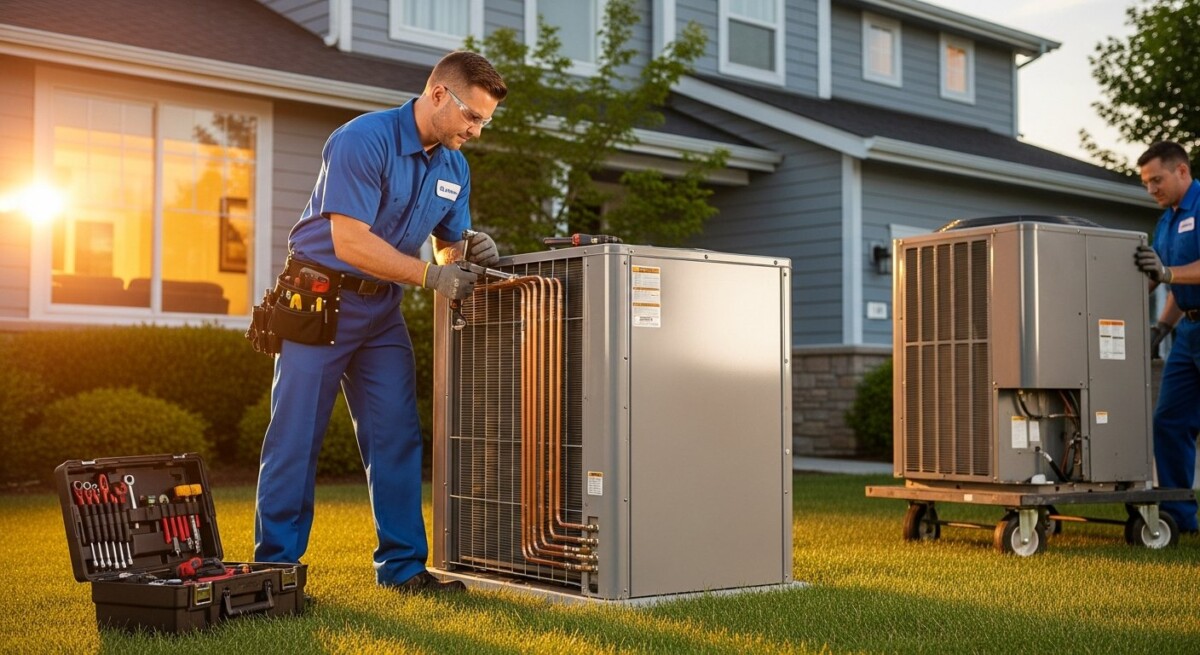
Energy Efficient HVAC: Save Money and Improve Home Comfort
"*" indicates required fields
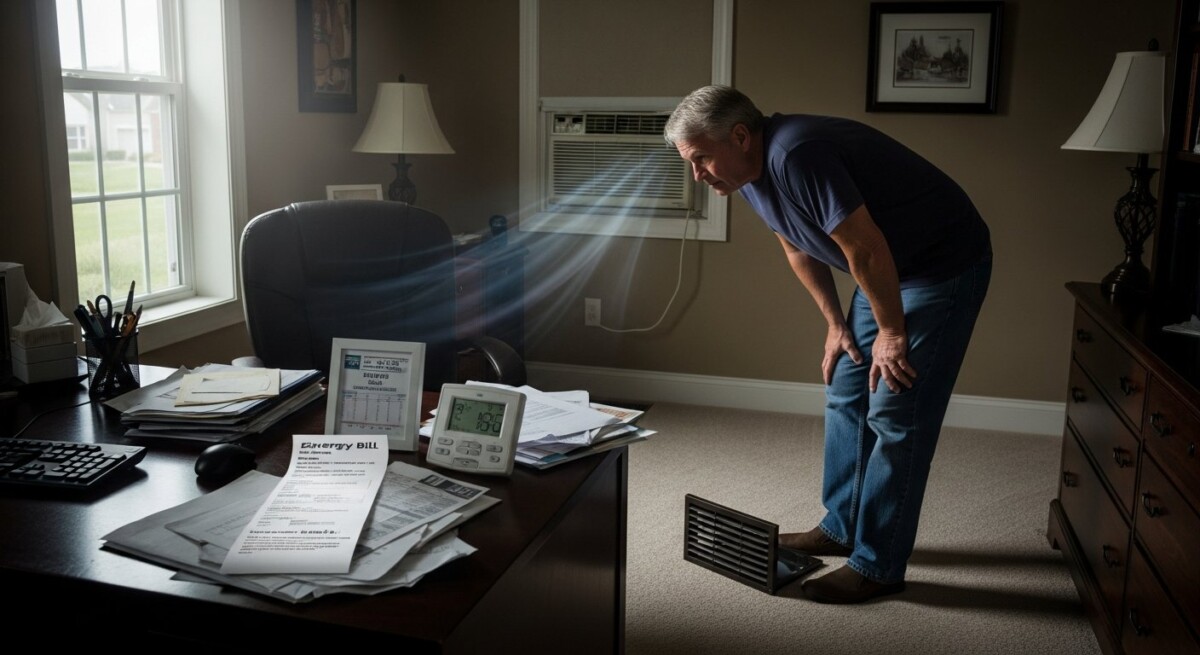
You open your monthly energy bill and feel a familiar sense of dread. Despite keeping your thermostat at a reasonable setting, the cost to heat or cool your home keeps climbing. You might notice some rooms are too hot while others are too cold, or your system seems to run constantly without ever feeling quite right. This common frustration is more than just an annoyance,it’s often a sign your HVAC system is wasting energy and money. Ignoring these symptoms can lead to higher utility bills, uncomfortable living spaces, and even premature system failure, leaving you with a much larger expense down the road. Investing in an energy efficient HVAC system is the practical solution to these problems, offering lasting comfort and significant savings.
Understanding Energy Efficient HVAC
An energy efficient HVAC system is designed to provide optimal heating and cooling while using the least amount of energy possible. Think of it like upgrading from an old, gas-guzzling car to a modern hybrid. The new system does the same job,keeping your home comfortable,but does it smarter and with far less waste.
This efficiency happens through advanced technology in components like the compressor, fan motors, and heat exchanger. Modern systems are better at moving heat in or out of your home, require less electricity to run, and maintain consistent temperatures with fewer cycles. This isn’t just about a new unit; it’s about a properly designed and installed system that works in harmony with your home’s specific layout and insulation.
It’s More Than Just the Unit
True efficiency is a whole-system approach. It includes correctly sized equipment, well-sealed and insulated ductwork, a smart thermostat, and even your home’s air sealing. A brand-new, high-efficiency furnace won’t perform well if half its heated air is leaking into your attic through faulty ducts. A professional assessment looks at all these factors together.
Why This Matters for Your Home
The impact of an inefficient HVAC system goes far beyond a high utility bill. It strains your equipment, leading to more frequent repairs and a shorter lifespan. Constantly cycling on and off creates wear and tear on expensive components, meaning you could be facing a major replacement years earlier than necessary.
For your comfort and health, an outdated system often struggles with humidity control and air distribution. This can lead to stuffy rooms, uneven temperatures, and reduced indoor air quality. Furthermore, an overworked system is more likely to break down at the worst possible time, like during a heatwave or a deep freeze, putting your family’s safety and comfort at risk.
If you notice signs of this issue in your home, it may help to speak with a qualified contractor. Request a free quote or call to explore your repair or remodeling options.
Common Problems Homeowners Experience
Many homeowners live with HVAC inefficiencies without realizing all the symptoms. The problems often develop gradually, so you slowly adapt to higher bills and minor discomforts. Recognizing these common issues is the first step toward a solution.
Often, the system itself is not the sole culprit. Issues like poor insulation, leaky windows, or outdated ductwork force your HVAC to work overtime. A professional can diagnose the root cause, whether it’s the equipment, the home’s envelope, or a combination of both. Our guide on when to replace your HVAC system details the key indicators that your equipment itself is nearing the end of its service life.
- Sky-High Energy Bills: Your usage hasn’t changed, but your heating and cooling costs are steadily rising.
- Uneven Room Temperatures: Some rooms are never comfortable, no matter where you set the thermostat.
- Constant System Cycling: The unit turns on and off frequently, which is hard on components and inefficient.
- Excessive Noise or Dust: Rattling ducts, loud operation, or more dust settling in your home can point to duct leaks.
- Poor Humidity Control: Your home feels muggy in summer or excessively dry in winter.
- An Aging System: If your furnace or air conditioner is over 10-15 years old, it’s likely far less efficient than modern models.
How Professionals Solve the Problem
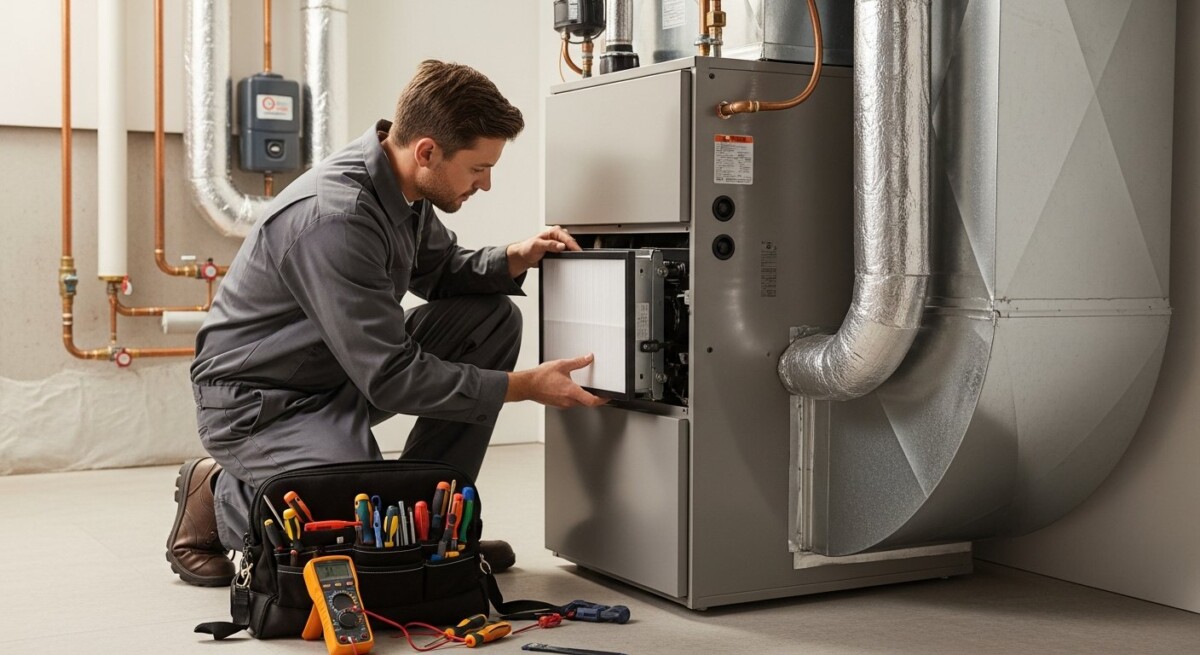
A qualified HVAC contractor doesn’t just sell you a new unit. They provide a comprehensive solution that addresses the specific inefficiencies in your home. They start with a detailed assessment, often called a load calculation, to understand your home’s exact heating and cooling needs. This prevents installing an oversized or undersized system, which is a major cause of waste and discomfort.
The process ensures every component works together. Professionals seal and insulate ductwork, recommend smart controls, and verify that the new system integrates perfectly with your home’s layout. This holistic approach is why DIY replacements or quick fixes rarely achieve the same level of efficiency and reliability.
- Home Assessment & Load Calculation: The contractor measures your home, evaluates insulation, windows, and ductwork, and calculates the precise capacity needed.
- System Recommendation: Based on the assessment, they recommend appropriately sized, high-efficiency equipment and any ancillary upgrades.
- Professional Installation: Trained technicians install the new system, ensuring proper electrical connections, refrigerant charge, duct modifications, and safety checks.
- Testing & Balancing: The system is started, and airflow is tested and balanced at all vents to ensure even distribution throughout your home.
- Homeowner Education: A good contractor will walk you through operating your new system and thermostat for maximum efficiency.
A professional inspection can reveal hidden issues before they become expensive repairs. Compare contractor quotes here or call to discuss your project.
Warning Signs You Should Not Ignore
Your HVAC system often sends clear signals when it’s struggling. Paying attention to these warnings can help you address problems before they lead to a complete breakdown in the middle of a season. Early action is almost always less disruptive and less expensive than emergency repairs or replacements.
Some signs, like strange noises or smells, can also indicate safety issues, such as a cracked heat exchanger or electrical problems. It’s crucial to have these checked immediately by a professional. Regular maintenance can catch many of these issues early, but when you see persistent warning signs, a deeper evaluation is needed.
- Rising Energy Bills: A consistent, unexplained increase is one of the clearest signs of declining efficiency.
- Frequent Repairs: If you’re calling for service more than once a year, the system is likely failing.
- Weak Airflow: Little air comes from your vents, even when the system is running.
- Unusual Sounds or Smells: Grinding, banging, squealing, or burning odors require immediate professional attention.
- The System Can’t Keep Up: It runs constantly on very hot or very cold days but never reaches the thermostat setting.
- Excess Humidity or Dryness: Your home feels clammy or static electricity is rampant.
What Affects the Cost of Repairs or Installation
The investment in an energy efficient HVAC system varies based on your home’s unique situation. The single biggest factor is the scope of the project. Are you replacing a single component, like an outdoor air conditioner, or the entire system including furnace, coils, and thermostat? A full system replacement is a larger upfront cost but delivers the greatest efficiency gains.
Other key factors include the efficiency rating of the new equipment (higher efficiency models cost more but save more), the complexity of installing new ductwork or modifying existing ducts, and your home’s accessibility. The age and condition of your electrical panel may also need to be considered. Remember, many utilities and government programs offer rebates for high-efficiency HVAC systems that can significantly offset the initial cost.
Costs can vary depending on the condition of your home. The best way to know the price is to get a personalized estimate. Request free quotes from contractors or call today.
How to Choose the Right Contractor
Selecting the right professional is as important as choosing the right equipment. A quality installation is critical to achieving the promised efficiency and longevity of your new system. Start by looking for established, local companies with a solid reputation in your community.
Always get multiple detailed estimates. A trustworthy contractor will want to visit your home, ask questions, and perform measurements before giving a quote. They should explain their recommendations clearly, without high-pressure sales tactics, and provide a written, itemized estimate.
- Verify Licenses and Insurance: Ensure they are licensed for HVAC work in your state and carry both liability and worker’s compensation insurance.
- Check Reviews and References: Read online reviews and ask for references from recent jobs similar to yours.
- Get Detailed, Written Estimates: Compare quotes that include equipment model numbers, labor costs, warranty details, and a projected timeline.
- Ask About Experience: Choose a contractor with specific experience installing the high-efficiency systems they are recommending.
- Evaluate Communication: You want a contractor who listens, answers your questions thoroughly, and makes you feel confident in their abilities.
Long-Term Benefits of Professional Work
Investing in a professionally installed, energy efficient HVAC system pays dividends for years. The most immediate benefit is lower monthly utility bills, which can add up to thousands of dollars in savings over the life of the system. This ongoing savings helps recoup the initial investment.
Beyond savings, you gain enhanced home comfort with consistent temperatures and better humidity control. Modern systems also operate more quietly. A new, efficient HVAC system is a valuable upgrade that can increase your home’s market value and appeal to future buyers. Furthermore, with fewer breakdowns and a longer expected lifespan, you’ll enjoy peace of mind and reduced maintenance costs. Pairing your new system with proper HVAC air filtration can further improve your indoor environment for health and cleanliness.
How Long Does an Energy Efficient HVAC System Last?
With proper maintenance, a high-quality, professionally installed system can last 15-20 years or more. Regular annual check-ups are essential to keep it running at peak efficiency and to catch small issues early.
What is a SEER or AFUE Rating?
SEER (Seasonal Energy Efficiency Ratio) measures air conditioner cooling efficiency. AFUE (Annual Fuel Utilization Efficiency) measures furnace heating efficiency. Higher numbers mean greater efficiency. A professional can help you understand the right rating for your climate and budget.
Can I Just Replace My Outdoor Unit?
It’s not recommended. Mismatching an old indoor coil with a new outdoor unit often reduces efficiency and can void warranties. For optimal performance, replace the entire system (indoor and outdoor components) at the same time.
Will a New HVAC System Be Noisy?
Modern energy efficient systems are significantly quieter than older models. Variable-speed motors and improved compressor technology allow them to run at lower, steadier speeds, reducing noise.
How Much Can I Really Save on My Bills?
Savings depend on your old system’s efficiency, local climate, and utility rates. Upgrading from a SEER 10 to a SEER 16 system can reduce cooling costs by about 40%. A professional estimate can provide a more personalized savings projection.
Do I Need to Update My Ductwork?
Often, yes. Leaky or poorly insulated ducts can waste 20-30% of the conditioned air. A contractor will inspect your ducts and recommend sealing, insulating, or replacing them to ensure your new system’s efficiency isn’t lost.
What’s the Benefit of a Smart Thermostat?
Smart thermostats optimize your system’s runtime by learning your schedule and allowing remote control. They can automatically set back temperatures when you’re away, adding to your energy savings without sacrificing comfort.
Are There Tax Credits or Rebates Available?
Yes, federal tax credits for certain high-efficiency systems are often available, and many state and local utility companies offer rebates. Your qualified HVAC contractor should be informed about current incentives.
Addressing an inefficient HVAC system is one of the smartest investments you can make in your home. It solves immediate problems with comfort and bills while protecting your long-term budget and adding value to your property. The best way to move forward is with clear, personalized information. By comparing detailed quotes from reputable contractors, you can make a confident decision that will bring comfort and savings to your home for years to come.