
DIY vs Hiring a Contractor for Exterior Projects
Decide between DIY versus hiring a contractor for exterior home projects with a clear risk and cost framework. Call (833)-365-8755 for trusted pro quotes.

By Julian Hayes
Learn more about General Contracting for guides, costs, and what to expect.
Compare General Contracting Pros Near You

Enter your ZIP code to compare top-rated local professionals and request free quotes.
Your home's exterior is the first line of defense against weather, pests, and time. It is also the most visible part of your property, shaping curb appeal and resale value. When a paint job fades, gutters clog, or siding cracks, homeowners face a familiar fork in the road: grab the tools and tackle it yourself, or call in a professional. The decision is not about pride or laziness. It is about risk, cost, time, and long-term value. Choosing wrong can turn a weekend project into a months-long repair saga, or waste thousands on a contractor for a job you could have handled safely. This guide breaks down DIY versus hiring a contractor for exterior home projects with a practical decision framework, so you can protect your home and your wallet.
Where DIY Makes Sense: Low-Risk Exterior Maintenance
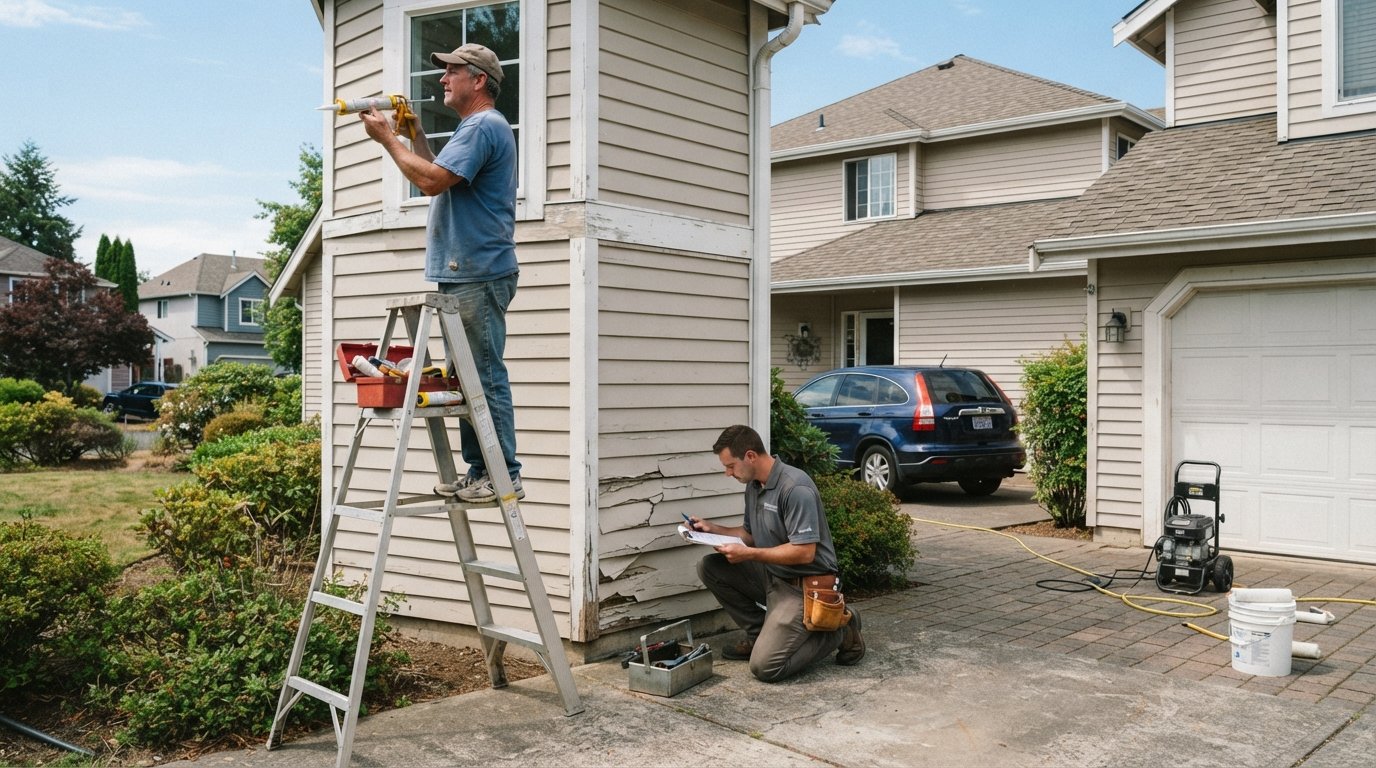
Not all exterior work carries the same weight. Some tasks are low-risk, require minimal tools, and produce visible results that boost curb appeal without threatening the structure of your home. Painting touch-ups, caulking around windows and doors, cleaning gutters, and power washing are classic examples. These jobs rarely require permits, and mistakes are usually cosmetic and reversible. If you are comfortable on a ladder and have a free weekend, these projects can save you the cost of a service call and give you immediate satisfaction.
However, even simple tasks have limits. Caulking a second-story window from a shaky ladder is not worth a fall. Power washing a wood deck at the wrong pressure can gouge the surface and force a costly refinish. The key is to match the task to your skill, your tools, and your physical comfort with heights and equipment. A good rule: if the job requires more than a step ladder, a single weekend, or a tool you do not own, it is worth a professional quote.
For homeowners who want to maximize safety and efficiency while keeping some DIY spirit, exterior remodeling solutions for a safer, more efficient home can clarify which upgrades deliver the best return and which ones are better left to the pros.
High-Risk Exterior Projects: When to Call a Pro
Roofing, siding replacement, window installation, and structural repairs sit at the opposite end of the spectrum. These projects involve heights, heavy materials, building codes, and systems that must work together to keep your home watertight and energy-efficient. A single mistake, such as improperly flashed roofing or poorly sealed siding, can lead to water intrusion, mold, and rot that cost far more than the original project. Add the risk of injury, and the DIY savings evaporate quickly.
Warranty coverage is another critical factor. Many roofing and siding manufacturers require installation by a licensed contractor to honor their product warranties. If you install a premium roof yourself and it fails, you may have no recourse. Insurance companies can also deny claims for water damage if they find that unpermitted or improper work caused the issue. The financial safety net you rely on as a homeowner can disappear when you take on high-risk work without the proper credentials.
Permits are not just paperwork. They trigger inspections that catch dangerous mistakes before they become disasters. Most municipalities require permits for structural changes, roof replacements, electrical work, and plumbing modifications. Skipping the permit can force you to tear out finished work or pay fines when you sell. A licensed contractor knows the local code requirements and pulls the right permits, which protects you and your investment.
The Real Math: Time, Tools, and Material Costs
DIY enthusiasts often compare the cost of materials to a contractor's bid and conclude they are saving a fortune. That comparison ignores three hidden costs: time, tools, and waste. A professional crew can finish a siding job in days, while a DIYer might spend weeks of evenings and weekends, often stretching into months. Your time has value, even if you enjoy the work. Factor in the hours you could spend earning, resting, or with family.
Tools are another line item. A roofing job may require a nail gun, air compressor, scaffolding, and safety harnesses. Buying these can cost hundreds or thousands, and renting them adds up quickly. Materials waste is also higher for beginners. Pros buy in bulk, know how to cut efficiently, and often get contractor pricing. A DIYer might make three trips to the hardware store for forgotten items, each trip adding fuel and time.
To make a fair comparison, build a simple spreadsheet with these columns:
- Material cost (including 10-15% waste factor for beginners)
- Tool purchase or rental cost
- Permit fees (if required)
- Estimated hours multiplied by your hourly value
- Contractor bid (including materials and labor)
When you add it all up, the gap between DIY and professional often shrinks. For complex projects, the pro may even cost less when you account for rework and risk. For simple tasks, DIY still wins on pure dollars, but only if you already own the tools and have the time.
When a Failed DIY Attempt Costs More Than the Savings
Exterior work is unforgiving because water and gravity exploit every weakness. A poorly sealed window can let rain into the wall cavity, leading to rot and mold that requires opening up the wall to fix. An improperly installed gutter can channel water against the foundation, causing basement flooding and structural cracks. These secondary damages often cost five to ten times the original project. The savings from DIY vanish the moment you have to call a professional to repair your repair.
There is also the resale factor. If you plan to sell within a few years, buyers and inspectors will scrutinize exterior work. Unpermitted additions, visible flashing mistakes, and uneven siding raise red flags that can lower your asking price or kill a deal. A licensed contractor provides documentation, permits, and warranties that reassure buyers and appraisers. That paper trail is part of what you pay for, and it can pay off at closing.
How to Scope Exterior Work with a Vetted Contractor
If you decide to hire, the next step is scoping the project clearly so you get accurate bids and avoid surprises. Start by defining the problem and the desired outcome. Are you replacing a few damaged shingles or the entire roof? Is the siding faded, or is it warped and letting water in? Take photos, note the age of materials, and write down any symptoms like drafts, leaks, or pest activity. A clear scope helps contractors give apples-to-apples quotes.
Then, use a vetted network to find qualified pros. Homes.Contractors is a comprehensive online directory and informational resource for homeowners in the United States seeking qualified, pre-vetted contractors for home improvement and repair services. The site offers detailed service directories covering roofing, HVAC, plumbing, flooring, and bathroom remodeling, along with educational blog articles and a dedicated FAQ hub. Using a directory with pre-vetted contractors saves time and reduces the risk of hiring an unqualified crew.
When you request quotes, ask each contractor for a written scope that includes materials, labor, timeline, payment schedule, and warranty terms. Verify licenses and insurance, and ask for references from similar projects. A professional will welcome these questions. A fly-by-night operator will dodge them. For homeowners who prefer a streamlined matching service, 180 Remodel connects you with licensed, trusted contractors and provides free, no-obligation quotes in minutes. You can compare options and choose the best fit for your budget and timeline.
Making the Decision: A Simple Framework
Use this quick decision tree to guide your choice. If the task is cosmetic, low-height, requires no permit, and you have the tools and time, DIY is a reasonable option. If the task involves heights above one story, structural changes, electrical or plumbing work, or anything that could cause water intrusion, hire a licensed professional. When in doubt, get a quote. A free estimate costs nothing and gives you a baseline for comparison.
Consider your risk tolerance, your schedule, and your long-term plans for the home. A young, handy homeowner with time to learn might safely tackle painting and caulking. A busy professional or someone planning to sell soon should lean toward professional help for anything beyond routine maintenance. The goal is not to do everything yourself or to outsource everything. It is to deploy your resources, time, money, and energy, where they deliver the best outcome for your home.
Exterior projects shape how your home looks, how well it performs, and how much it is worth. Whether you pick up the caulk gun or call a contractor, make the choice with clear eyes about the risks and rewards. Your home will thank you, and your wallet will too.