
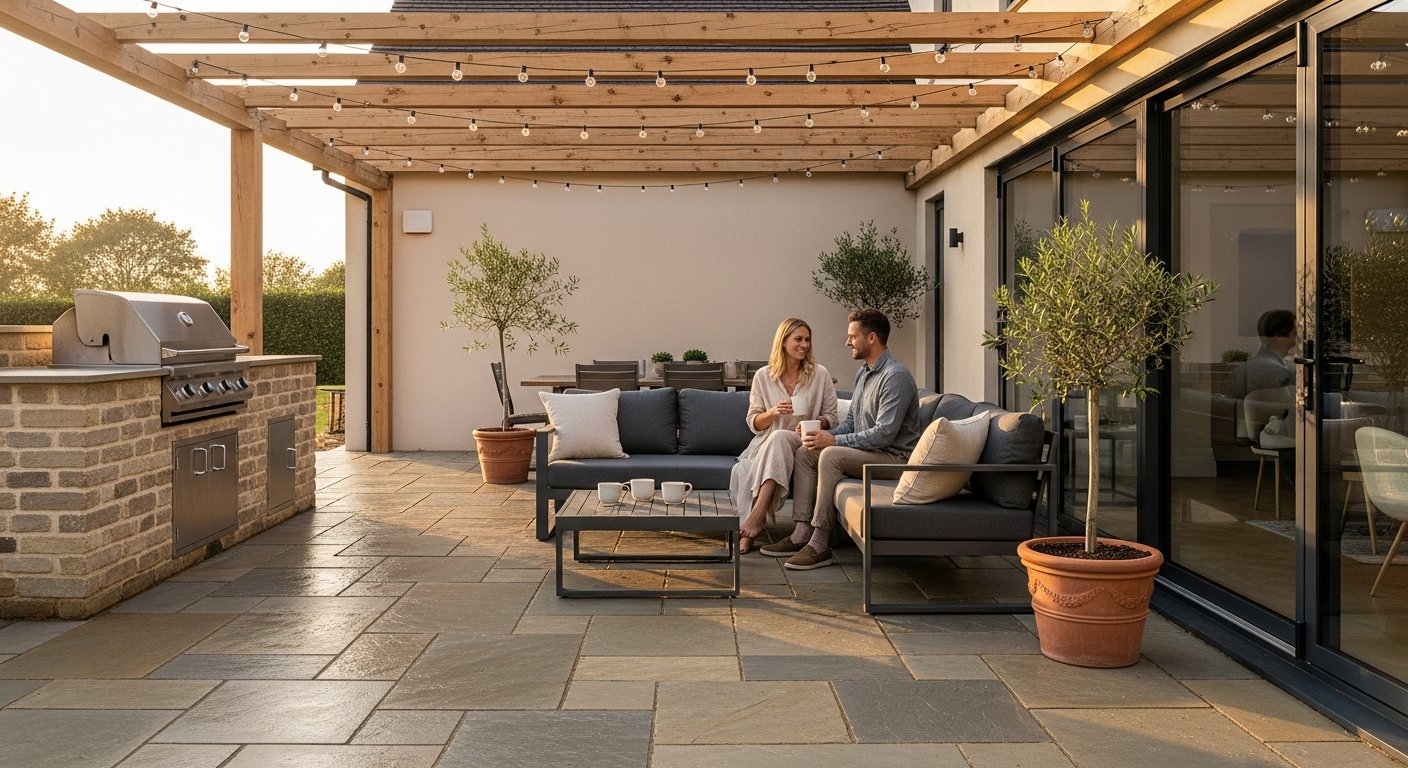
Designing Outdoor Living Spaces That Boost Home Value
Discover how to design outdoor living spaces that boost home value, from smart material choices to professional installation tips.

By Justin Parker
Learn more about Outdoor Landscaping and Design for guides, costs, and what to expect.
Compare Outdoor Landscaping and Design Pros Near You

Enter your ZIP code to compare top-rated local professionals and request free quotes.
Few home improvements deliver the same blend of personal enjoyment and financial return as a well-designed outdoor living area. Whether you dream of a shaded pergola for summer dining, a stone patio for evening gatherings, or a full outdoor kitchen for weekend entertaining, these spaces have become a top priority for modern homeowners. Beyond the aesthetic appeal, they extend your usable square footage, create natural flow between indoors and out, and significantly increase your property's marketability. When you invest thoughtfully in your backyard, you are not just upgrading your home; you are creating a destination that enhances daily life and pays dividends when it comes time to sell.
However, transforming an ordinary yard into a seamless extension of your home requires more than just placing a few chairs on the lawn. It demands careful planning, smart material choices, and a clear understanding of how to blend functionality with style. This guide walks you through the essential steps of designing and building outdoor living spaces that truly add value, from initial concept to final installation. You will learn how to prioritize your budget, select durable materials, and work with professionals to bring your vision to life, all while avoiding common pitfalls that can turn a dream project into a costly headache.
Why Outdoor Living Spaces Are a Smart Investment
The demand for functional, beautiful outdoor areas has grown steadily, and the trend shows no signs of slowing down. Homeowners are realizing that a well-executed patio, deck, or outdoor room offers an excellent return on investment. Real estate experts often note that outdoor living projects can recoup a significant portion of their cost when the home is sold, sometimes as much as 50% to 70%, depending on the scope and quality of the work. This makes them one of the more financially sound renovation choices, especially when compared to more personal upgrades that do not translate as directly to resale value.
Beyond the financial aspect, these spaces dramatically improve your quality of life. They provide a private retreat for relaxation, a versatile venue for social gatherings, and an opportunity to connect with nature without leaving home. In a time when people are spending more time at home, having a dedicated outdoor zone can reduce stress and increase overall happiness. It also encourages healthier habits, such as dining al fresco, reading in the fresh air, or simply enjoying your morning coffee surrounded by greenery.
When planning your project, it is helpful to think of the outdoor area as an additional room of your house. This perspective shifts the focus from simple landscaping to creating a livable, functional space that meets specific needs. Consider how you intend to use the area: will it be primarily for dining, lounging, cooking, or a combination of activities? Answering these questions early will guide every other decision, from the layout to the selection of furnishings and lighting. For a deeper dive into how these projects can be executed with precision, you might explore resources on superior carpentry for decks and patios, which highlights the importance of skilled craftsmanship in achieving a durable and beautiful result.
Planning Your Outdoor Space: Function Meets Form
The most successful outdoor living projects begin with a solid plan. Before you purchase a single plant or paving stone, take time to assess your property and define your goals. Start by measuring the available space and noting any existing features, such as trees, slopes, or utility lines, that may affect the design. Next, think about the primary functions you want to support. A family with young children might prioritize a safe, open lawn for play, while an avid entertainer may focus on a large patio with a built-in grill and bar seating.
Another crucial consideration is the relationship between your indoor and outdoor spaces. The transition should feel natural, with materials and colors that complement each other. For instance, if your kitchen features warm wood tones, consider using a similar wood or a complementary composite decking for your outdoor dining area. Also, think about sightlines from inside your home. Positioning the outdoor living space so that it is visible from a main living area, such as the kitchen or family room, can make the entire property feel larger and more connected.
Once you have a clear vision, it is wise to create a rough sketch or mood board. This does not need to be architecturally precise, but it helps to visualize the layout and communicate your ideas to contractors or designers. During this phase, consider these key planning elements:
- Zoning: Divide the space into distinct zones for different activities, such as cooking, dining, lounging, or gardening, to ensure a logical flow.
- Sun and shade: Observe how sunlight moves across your yard at different times of day to position seating and structures for optimal comfort.
- Privacy: Identify areas where you may need fencing, hedges, or trellises to create a sense of seclusion from neighbors or the street.
- Access: Ensure there is a clear, convenient path from your home to the outdoor space, and consider how you will move food, drinks, and furniture.
After establishing the basic layout, you can start to refine the details, such as the style of furniture, the type of outdoor lighting, and the plants that will frame the area. Remember that the goal is to create a cohesive space that feels like an extension of your home, not just a random assortment of outdoor items. A thoughtful plan will save you time and money in the long run, as it reduces the likelihood of costly mistakes or rework.
Choosing Materials That Endure and Impress
The materials you choose for your outdoor living space will determine its longevity, maintenance requirements, and overall aesthetic. It is essential to select materials that can withstand local weather conditions, from intense summer sun to freezing winter temperatures, while still looking great for years to come. For patios and walkways, popular options include concrete pavers, natural stone, and brick. Pavers are versatile and easy to repair, while natural stone, such as flagstone or travertine, offers a unique, upscale look but may require more care. If you prefer a seamless, modern appearance, a stained or stamped concrete slab is a durable and cost-effective choice.
For decks, the classic choice is pressure-treated wood, which is affordable and readily available. However, many homeowners now opt for composite decking, which is made from a blend of wood fibers and recycled plastic. Composite materials resist rot, splintering, and insect damage, and they require minimal upkeep, making them a popular long-term investment. While the upfront cost is higher than wood, the reduced maintenance and extended lifespan often make it a better value over time. When selecting any material, ask for samples and view them in natural light to ensure the color and texture match your vision.
Beyond the main surfaces, consider the materials for structural elements like pergolas, railings, and outdoor kitchens. Powder-coated aluminum and stainless steel are excellent choices for a modern, low-maintenance look, while cedar or redwood adds warmth and a natural touch. For countertops in an outdoor kitchen, look for materials that resist heat, moisture, and staining, such as granite, quartzite, or specialized outdoor-rated porcelain. The key is to balance beauty with practicality, selecting materials that not only look good on day one but will also withstand the elements and remain functional for decades. In our experience, the best results come from projects where expert carpentry elevates outdoor living, ensuring that every joint and support is built to last.
Integrating Lighting, Utilities, and Amenities
To truly maximize the usability of your outdoor living space, you need to consider the practical infrastructure that supports it. Proper lighting is essential for both safety and ambiance. A layered approach works best: use path lights to guide walkways, task lighting near cooking and dining areas, and accent lights to highlight architectural features or landscaping. Low-voltage LED lighting is energy-efficient and creates a warm, inviting glow. For added convenience, consider installing dimmer switches or smart controls that let you adjust the mood with a tap on your phone.
Another critical component is the availability of utilities. If you plan to include an outdoor kitchen, you will need a dedicated gas line for the grill and a water supply for a sink. Electrical outlets should be strategically placed for appliances, chargers, and entertainment systems. These installations require careful planning and should be performed by licensed professionals to ensure safety and code compliance. It is also wise to think about drainage and irrigation to prevent water pooling and to keep your plants healthy.
Finally, consider the amenities that will make your space truly special. A fire pit or an outdoor fireplace extends the season, allowing you to enjoy the space on cooler evenings. A built-in grill, pizza oven, or outdoor refrigerator elevates your entertaining game. Comfortable, weather-resistant furniture with plush cushions invites relaxation, while outdoor rugs and throw pillows add color and personality. These elements transform a basic patio into a true outdoor room, where every detail contributes to a comfortable and memorable experience.
Working with a Professional: What to Expect
While some homeowners may be tempted to tackle an outdoor living project as a DIY endeavor, the complexity of most designs makes professional help a wise investment. Experienced contractors bring a level of skill and efficiency that ensures the project is completed correctly and safely. They also have access to better materials and can often secure them at lower prices. When you hire a professional, you are not just paying for labor; you are paying for expertise, problem-solving, and peace of mind.
The process typically begins with an initial consultation, where you discuss your vision, budget, and timeline. The contractor will then assess your property and provide a detailed proposal that outlines the scope of work, materials, and costs. It is essential to get multiple quotes and ask for references to ensure you are choosing a reputable professional. During the construction phase, maintain open communication with the project manager, and do not hesitate to ask questions or request changes if something does not meet your expectations.
One of the main advantages of working with a professional is the assurance that the project will comply with local building codes and permit requirements. This is particularly important for structures like decks, pergolas, and outdoor kitchens, which may require inspections. A qualified contractor will handle the necessary paperwork and ensure that all work meets safety standards. This not only protects your investment but also prevents potential liability issues in the future. To get started, you can request a customized quote that matches your specific project, making the planning process smoother and more transparent.
Budgeting for Your Outdoor Transformation
Creating a realistic budget is one of the most challenging yet crucial parts of any home improvement project. Outdoor living spaces can vary widely in cost, from a few thousand dollars for a simple patio to tens of thousands for a fully equipped outdoor kitchen with premium materials. To avoid surprises, start by defining the scope of your project and prioritizing your must-haves versus nice-to-haves. This will help you allocate funds where they will have the most impact.
When estimating costs, be sure to include not only materials and labor but also permits, site preparation, and any necessary utility work. It is also prudent to set aside a contingency fund of 10% to 20% to cover unexpected issues, such as discovering poor soil conditions or needing to upgrade an electrical panel. A professional contractor can provide a detailed breakdown of costs, helping you understand where your money is going and where you might save. For example, choosing composite decking over tropical hardwood may cost more upfront but save on maintenance over time.
Here is a simple framework to help you prioritize your spending:
- Structural elements: Invest in the foundation, decking, and permanent features that ensure safety and longevity.
- Functional utilities: Allocate funds for lighting, electrical, plumbing, and gas lines that make the space usable.
- Comfort and aesthetics: Spend on furniture, textiles, and decor that create a welcoming atmosphere.
- Landscaping and final touches: Use remaining budget for plants, mulch, and decorative accents that tie the space together.
By following this order, you ensure that the most critical aspects are covered first, and you can always add non-essential enhancements later. Remember that a well-planned budget is your best tool for achieving the outdoor living space you want without financial stress.
Designing and building outdoor living spaces is a rewarding journey that enhances your home's beauty, functionality, and value. With careful planning, quality materials, and the right professional partners, you can create an outdoor haven that you and your family will enjoy for years. Whether you are starting from scratch or upgrading an existing area, the key is to approach the project with a clear vision and a realistic plan. By doing so, you will not only transform your backyard but also elevate your entire living experience.
Learn more about Outdoor Landscaping and Design for guides, costs, and what to expect.
Compare Outdoor Landscaping and Design Pros Near You
Enter your ZIP code to compare top-rated local professionals and request free quotes.