
Choosing the Best Kitchen Flooring for Your Home
A practical guide to choosing the best kitchen floor materials for durability, safety, and style. Learn what works for your home and lifestyle.

By Alex Carter
Learn more about Floor Installation or Replacement for guides, costs, and what to expect.
Compare Floor Installation or Replacement Pros Near You

Enter your ZIP code to compare top-rated local professionals and request free quotes.
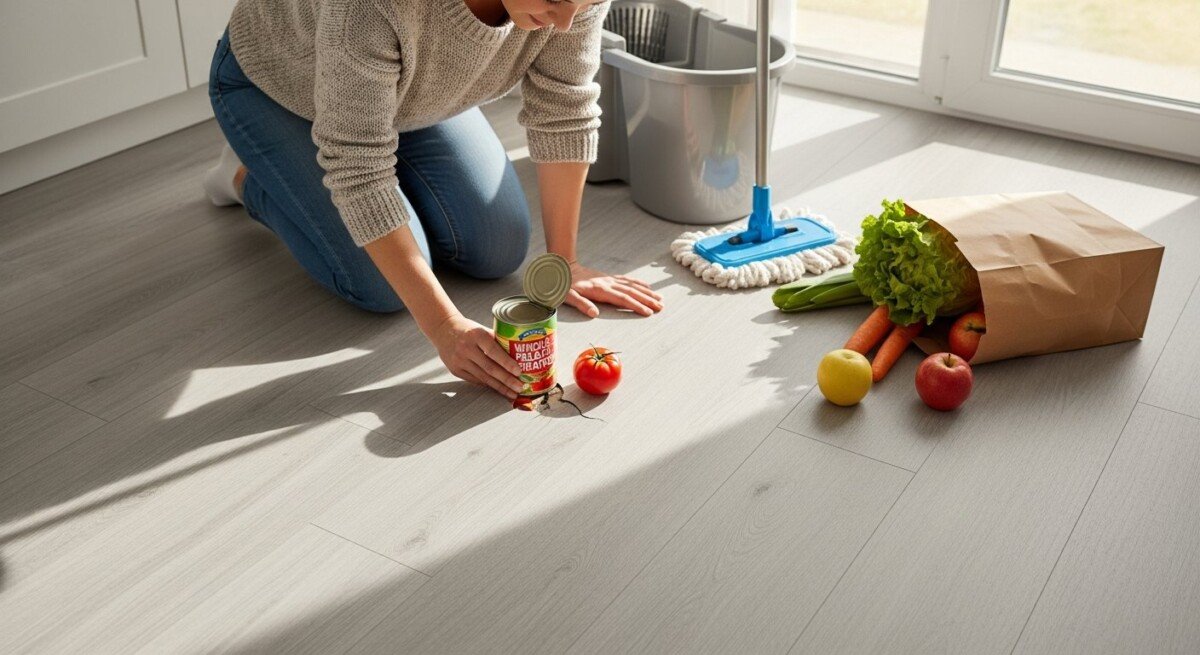
You’re unloading groceries, and a heavy can slips from your hand. It doesn’t just make a loud thud,it leaves a noticeable dent or chip in your kitchen floor. Or perhaps you’re mopping and notice that water seems to soak into a seam, making you worry about what’s happening underneath. These small moments reveal a big truth: your kitchen floor takes a daily beating, and the wrong material can lead to frustration, damage, and costly repairs down the line. Ignoring these signs can mean living with a surface that’s uncomfortable, unsafe, or slowly deteriorating, which is why choosing the best kitchen floor materials is one of the most important decisions for your home’s functionality and value.
Understanding Best Kitchen Floor Materials
Kitchen flooring isn’t just about looks. It’s a critical surface that needs to balance durability, comfort, safety, and ease of cleaning. The best kitchen floor materials are those that can withstand spills, dropped dishes, heavy foot traffic, and constant cleaning without showing excessive wear.
Different materials excel in different areas. Some are incredibly water-resistant, perfect for messy cooks and families. Others offer underfoot comfort for those who spend hours at the counter. The goal is to match the material’s strengths to your household’s specific lifestyle and needs.
Why Material Choice Matters More in Kitchens
Unlike a bedroom or living room, a kitchen is a high-impact zone. It experiences temperature changes, humidity from cooking, and frequent exposure to liquids and stains. A material that works perfectly in another part of your house might fail quickly here, leading to premature replacement.
Why This Matters for Your Home
Choosing the right kitchen floor protects your investment. A damaged or unsuitable floor can lead to water seeping into subfloors, causing rot, mold, and attracting pests. These are not just cosmetic issues; they are structural problems that become exponentially more expensive to fix the longer they are ignored.
Safety is another major concern. A slick surface when wet can lead to dangerous slips and falls. Conversely, a floor that is too hard can contribute to back and leg fatigue. The right material creates a safer, more comfortable environment for your family and guests, turning your kitchen from a potential hazard into the heart of your home.
If you notice signs of wear or damage in your kitchen floor, it may help to speak with a qualified contractor. Request a free quote or call to explore your repair or remodeling options.
Common Problems Homeowners Experience
Many homeowners choose a floor based on initial cost or trend, only to face recurring issues. A beautiful but soft wood floor can quickly become scarred and stained. A trendy tile might be brutally cold and hard underfoot. These mismatches lead to daily annoyance and regret.
Real-world problems often stem from a material’s inability to handle the kitchen’s unique demands. For a deeper look at balancing these factors, our resource on choosing the best kitchen flooring options breaks down the core considerations.
- Water Damage: Warping, cupping, or mold growth from spills and leaks.
- Scratches and Dents: Visible damage from appliances, chairs, and dropped items.
- Staining: Permanent marks from food, drinks, or cleaning products.
- Comfort and Fatigue: Hard, unforgiving surfaces that make standing painful.
- Slipperiness: Hazardous conditions, especially when the floor is wet.
- Fading and Wear: High-traffic areas losing their color and finish.
How Professionals Solve the Problem
A professional flooring contractor doesn’t just sell you a material; they provide a solution. They start by assessing your kitchen’s layout, subfloor condition, and your family’s habits. This expert analysis helps rule out materials that are a poor fit and highlight options you may not have considered.
Their experience ensures proper installation, which is just as critical as the material choice. A perfectly good floor can fail if it’s not installed correctly over the right underlayment or with the proper moisture barriers. Professionals handle these details, providing a finished product that performs as expected for years.
- Consultation & Assessment: Evaluating your needs, subfloor, and lifestyle.
- Material Selection Guidance: Presenting options that balance your budget, style, and durability requirements.
- Professional Preparation: Ensuring the subfloor is level, dry, and ready for installation.
- Expert Installation: Using the correct techniques, adhesives, and tools for a seamless, secure fit.
- Finishing & Cleanup: Applying necessary sealants and leaving your kitchen ready to use.
A professional inspection can reveal hidden issues before they become expensive repairs. Compare contractor quotes here or call to discuss your project.
Warning Signs You Should Not Ignore
Your kitchen floor often gives clear signals that it’s struggling. These signs suggest that your current material isn’t up to the task or that it has reached the end of its lifespan. Addressing them early can prevent minor damage from turning into a full subfloor replacement.
Listen to what your floor is telling you. Persistent issues are a call to action, not just a cosmetic annoyance. They indicate that the floor’s integrity is compromised, which can affect your home’s safety and value.
- Soft, spongy, or squeaky spots when you walk.
- Tiles that are loose, cracked, or have crumbling grout.
- Visible water staining, warping, or buckling, especially near sinks or dishwashers.
- Deep scratches, gouges, or worn-through areas in high-traffic zones.
- A persistent musty smell, which could indicate mold underneath.
- Difficulty cleaning,stains or grime that seem permanently embedded.
What Affects the Cost of Repairs or Installation
The cost of a new kitchen floor isn’t a single number. It’s a combination of several factors that make each project unique. The size of your kitchen is the most obvious, but the condition of the existing floor and subfloor plays a huge role. Ripping out old materials and repairing a damaged subfloor adds significant labor and material costs.
The material you choose has the largest variable cost range. Luxury vinyl plank and sheet vinyl are often budget-friendly, while natural stone or custom hardwood can be a premium investment. Labor costs also vary based on the complexity of the installation; a simple layout is faster than one with many corners, cabinets, and appliances to work around.
Costs can vary depending on the condition of your home. The best way to know the price is to get a personalized estimate. Request free quotes from contractors or call today.
How to Choose the Right Contractor
Finding the right professional is key to a stress-free experience and a beautiful result. Start by looking for contractors who specialize in kitchen remodels or flooring, as they will understand the specific challenges of the space. Always verify that they are licensed, insured, and offer warranties on both materials and labor.
Don’t hesitate to ask for references or look at online portfolios of their completed kitchen projects. A trustworthy contractor will be happy to provide this information and will communicate clearly about the process, timeline, and costs from the start. Understanding the full scope of a kitchen flooring replacement project is something a good pro will walk you through.
- Check for valid state licensing and general liability insurance.
- Read recent customer reviews and ask for references from similar projects.
- Obtain detailed, written estimates that break down material, labor, and other costs.
- Compare quotes from at least three different contractors.
- Ask about their experience with your chosen material and the expected project timeline.
Long-Term Benefits of Professional Work
Investing in a professionally installed, high-quality kitchen floor pays dividends for as long as you own your home. First and foremost, it provides peace of mind. You won’t have to worry about water damage from a spilled glass or panic when something heavy drops. The floor is built to handle daily life.
This durability translates directly into financial benefits. A well-chosen floor requires less frequent replacement and minimal repair, saving you money on future maintenance. It also significantly boosts your home’s resale value and appeal, as buyers immediately notice a beautiful, functional kitchen floor. It’s an upgrade that you enjoy every day and that pays off in the long run.
FAQs
What is the most durable kitchen flooring?
Porcelain tile and luxury vinyl are often considered the most durable for active kitchens. Porcelain is extremely hard and resistant to scratches, stains, and water. Luxury vinyl is resilient, comfortable underfoot, and highly water-resistant, making it a tough, practical choice for families.
What is the easiest kitchen floor to clean?
Sheet vinyl and luxury vinyl plank/tile are among the easiest to clean, as they have seamless or tightly locked surfaces that don’t trap dirt. Glazed porcelain or ceramic tile is also very easy to wipe clean, though the grout lines may require occasional sealing and scrubbing.
Is hardwood a good choice for kitchens?
Hardwood is beautiful and can add value, but it requires more care. It is susceptible to water damage, dents, and scratches. If you love wood, consider engineered hardwood for better moisture stability, or use area rugs in high-spill zones and be diligent about wiping up spills immediately.
How long does kitchen flooring typically last?
Lifespan varies greatly by material and use. Vinyl can last 10-20 years, laminate 15-25 years, tile 20-50+ years, and hardwood can last a lifetime if properly maintained. Proper installation and daily care are the biggest factors in maximizing longevity.
Can I install new flooring over my old kitchen floor?
Sometimes, but not always. A professional must assess if the old floor is level, securely attached, and free of moisture damage. Adding height can also cause issues with appliances and transitions. Often, removal is recommended for the best and longest-lasting result.
What is the most budget-friendly kitchen flooring?
Sheet vinyl and laminate flooring typically offer the lowest upfront material and installation costs. They provide good durability and a wide variety of styles, making them excellent choices for a cost-effective kitchen update without sacrificing looks.
How do I protect my kitchen floor from damage?
Use felt pads under furniture legs, area rugs in high-traffic zones, and a doormat to catch grit. Clean up spills promptly, use recommended cleaning products, and avoid dragging heavy appliances. For specific care tips, a guide on kitchen flooring maintenance from your installer is invaluable.
Does kitchen flooring affect home value?
Absolutely. An updated, attractive, and functional kitchen floor is a major selling point. It signals to buyers that the home is well-cared-for. Poor, damaged, or outdated flooring can lower perceived value and lead to lower offers, as buyers factor in immediate replacement costs.
Your kitchen floor is a foundation for daily life, not just a decorative surface. Choosing the right material and ensuring it’s installed correctly protects your home, your safety, and your investment. By addressing wear early and consulting with experienced professionals, you can transform your kitchen into a space that’s both beautiful and built to last. The best next step is to understand your specific options and costs,consider comparing quotes from qualified local contractors to begin planning your project with confidence.
Learn more about Floor Installation or Replacement for guides, costs, and what to expect.
Compare Floor Installation or Replacement Pros Near You
Enter your ZIP code to compare top-rated local professionals and request free quotes.