
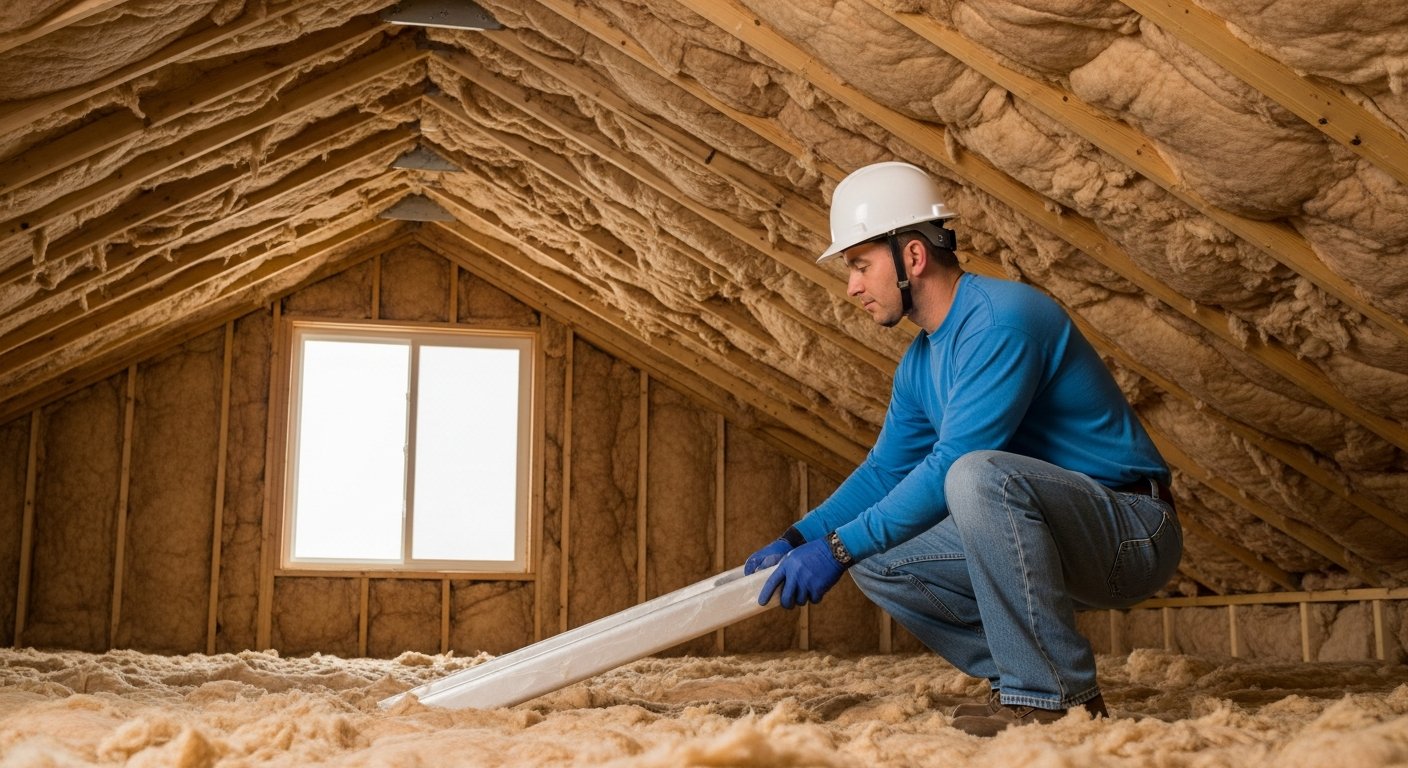
Attic Insulation: Cut Energy Bills and Boost Comfort
Discover how attic insulation cuts energy bills, boosts comfort, and increases home value. Get expert tips and professional installation advice.

By Margaret Lowe
Learn more about Insulation Installation or Upgrade for guides, costs, and what to expect.
Compare Insulation Installation or Upgrade Pros Near You

Enter your ZIP code to compare top-rated local professionals and request free quotes.
When winter winds blow and summer heat bears down, your attic becomes the frontline in your home's battle for comfort. Yet many homeowners overlook this critical space, paying the price through skyrocketing energy bills and uneven room temperatures. Attic insulation is not just about keeping your home cozy; it is a strategic investment that pays dividends year after year. In fact, the U.S. Department of Energy estimates that proper attic insulation can save homeowners up to 15% on heating and cooling costs, making it one of the most cost-effective home improvements available.
Beyond the financial savings, quality attic insulation addresses issues that affect your daily life: it dampens outside noise, prevents ice dams in winter, and stops heat from baking your upstairs bedrooms in summer. If you have noticed that your heating or cooling system runs constantly without ever quite catching up, your attic insulation may be the culprit. This guide walks you through everything you need to know about assessing, choosing, and installing attic insulation, so you can make an informed decision that enhances your home's efficiency and value.
Why Attic Insulation Matters More Than You Think
Your attic is the primary channel through which heat escapes in winter and enters in summer. Without adequate insulation, warm air rises and leaks through the ceiling, while radiant heat from the roof transfers into your living spaces. This constant exchange forces your HVAC system to work overtime, increasing wear and tear and shortening its lifespan. Proper insulation creates a thermal barrier that stabilizes indoor temperatures, reducing the load on your heating and cooling equipment.
The benefits extend beyond comfort and energy savings. Correctly installed attic insulation also protects your roof structure by minimizing the risk of ice dams, which occur when heat escapes into the attic and melts snow on the roof. The resulting water can seep under shingles and cause rot, mold, and costly structural damage. Additionally, insulation acts as a sound barrier, muffling the noise of rain, hail, and outside traffic, making your home a quieter, more peaceful retreat.
From a financial perspective, attic insulation is one of the few home improvements that pays for itself relatively quickly. The average cost to install insulation in an attic ranges from $1,500 to $3,500, depending on the size of your home and the material chosen. With monthly energy savings of 10% to 15%, most homeowners recoup the investment within three to five years. Moreover, if you ever decide to sell, a well-insulated attic is a strong selling point that boosts your home's market value and appeal to eco-conscious buyers.
Signs Your Attic Insulation Needs an Upgrade
How do you know if your attic insulation is underperforming? Look for these common indicators: uneven room temperatures, with some rooms feeling drafty or stuffy, high and fluctuating energy bills, ice dams forming on your roof in winter, and visible damage to insulation such as dampness, mold, or pest droppings. If your insulation looks compacted, discolored, or extends below the floor joists, it has likely lost its effectiveness and needs replacement.
Another reliable method is to check the insulation depth. For fiberglass batts, you should have at least 12 to 14 inches, while cellulose should be 10 to 14 inches deep. If your attic has less than this, heat transfer is occurring. You can also perform a simple touch test: on a hot day, place your hand on the ceiling of a room below the attic. If it feels warm, insufficient insulation is allowing heat to penetrate. Conversely, in winter, a cold ceiling indicates poor insulation and air leakage.
If you are unsure about the condition of your insulation, a professional home energy audit can provide a definitive answer. Many contractors offer this service, using thermal imaging cameras to pinpoint heat loss and recommend the appropriate insulation type and R-value for your climate zone. This is especially valuable if you live in an older home, as insulation standards have increased significantly over the decades.
Choosing the Right Insulation Material
The ideal insulation for your attic depends on your budget, the existing setup, and your specific needs. Here are the most common options, each with its own strengths and considerations:
- Fiberglass batts: The most traditional and affordable choice, these pink or yellow rolls are easy to install between joists. They provide good thermal performance but can settle over time and require careful handling to avoid skin and lung irritation.
- Blown-in cellulose: Made from recycled paper treated with fire retardants, this loose-fill material is sprayed into the attic, filling gaps and voids effectively. It offers excellent coverage and soundproofing, but can settle and may absorb moisture if not properly ventilated.
- Spray foam: This expanding polyurethane foam creates an airtight seal and offers the highest R-value per inch. It is more expensive, but it also acts as a moisture barrier and strengthens the roof structure. Spray foam is ideal for attics with irregular shapes or hard-to-reach areas.
- Radiant barriers: These reflective sheets, often made of aluminum, block radiant heat from the sun, keeping your attic cooler in summer. They are not a substitute for thermal insulation, but work well in combination with other materials, especially in hot climates.
When selecting a material, focus on the R-value, which measures thermal resistance. The higher the R-value, the better the insulation performs. The recommended R-value for attics varies by climate zone: for warm southern regions, R-30 to R-38 is sufficient, while colder northern areas may require R-49 to R-60. Your local building codes and energy efficiency guidelines provide specific recommendations for your area.
Consider also the condition of your attic. If you have existing insulation, you may be able to add a layer on top, provided the old material is dry and free of mold or pests. However, spray foam cannot be installed over older insulation types because it needs direct contact with the roof deck. In such cases, removing the old insulation first is necessary, which adds to the cost but ensures optimal performance.
Air Sealing: The Missing Piece of the Puzzle
Insulation alone cannot solve all your energy efficiency problems. Even the best insulation is ineffective if gaps, cracks, and holes in your attic allow conditioned air to escape and outside air to enter. Air sealing is a complementary process that involves closing these leaks with caulk, foam, or weatherstripping. Common leak points include recessed lighting fixtures, plumbing vents, electrical wires, and the attic hatch.
To seal your attic effectively, start by identifying all penetrations. Use a smoke pencil or incense stick to detect drafts, and mark each spot. Apply expanding foam around larger gaps, and use caulk for smaller cracks. Ensure that any exhaust fans, such as those from bathrooms or kitchens, are properly vented to the outside, not just into the attic, to avoid moisture buildup. Also, seal the attic access door or hatch with weatherstripping and ensure it closes tightly.
When combined with insulation, air sealing maximizes your energy savings and comfort. The two work hand in hand: insulation slows heat transfer, while air sealing stops the movement of air itself. Together, they create a comprehensive thermal envelope that keeps your home comfortable and efficient. Professional contractors often recommend doing air sealing before installing new insulation, especially if you are using blown-in or spray foam materials.
DIY vs. Professional Installation
Installing attic insulation is a project that some homeowners can tackle themselves, but it requires careful planning and physical effort. Fiberglass batts are the most DIY-friendly option, as they simply unroll and fit between joists. However, you must wear protective gear, including gloves, goggles, and a dust mask, to avoid irritation. Blown-in cellulose requires a blowing machine, which you can rent from home improvement stores, but the process is messy and time-consuming.
Spray foam insulation, on the other hand, is best left to professionals. The chemicals involved are hazardous if inhaled, and improper application can result in uneven coverage, poor adhesion, or off-gassing. Professional installers have the expertise and equipment to apply spray foam safely and evenly, ensuring a perfect seal.
Professional installation offers several advantages beyond convenience. Experts can assess your attic's specific needs, recommend the right material and R-value, and ensure proper ventilation, which is crucial for preventing moisture problems. They also have access to high-quality materials and can often complete the job in a fraction of the time. Moreover, many insulation contractors provide warranties on their workmanship, giving you peace of mind.
If you decide to hire a professional, 180 Remodel connects you with vetted contractors who specialize in insulation and energy efficiency. Their team can provide a free, no-obligation quote, helping you compare options and choose the best solution for your home. With their expertise, you can rest assured that your attic insulation is installed correctly, maximizing your energy savings and comfort for years to come.
Ventilation: The Critical Balance
Proper attic ventilation is essential for the health of your roof and the effectiveness of your insulation. Ventilation allows hot, humid air to escape in summer and prevents moisture buildup in winter, which can lead to mold, rot, and ice dams. Without adequate airflow, even the best insulation can become damp and lose its insulating properties.
Your attic should have two types of ventilation: intake vents, typically located in the soffits or eaves, and exhaust vents, such as ridge vents or roof louvers. This combination creates a natural upward flow of air that carries heat and moisture out of the attic. When installing insulation, be careful not to block these vents. For example, when laying batts, leave a gap of at least two inches between the insulation and the roof deck to allow airflow. Similarly, ensure that soffit vents are not covered by loose-fill insulation.
If your attic lacks proper ventilation, consider adding it before installing new insulation. A professional contractor can assess your current setup and recommend the best ventilation strategy, which may include installing additional vents or upgrading your existing system. This investment protects both your insulation and your roof, extending their lifespan and maintaining your home's structural integrity.
Financial Incentives and Long-Term Savings
The upfront cost of attic insulation might give you pause, but numerous financial incentives can offset the expense. Federal tax credits for energy-efficient home improvements, such as insulation, are available through programs like the Residential Energy Efficiency Tax Credit. These credits can cover up to 30% of the cost, with a maximum benefit of $1,200 per year. Additionally, many local utility companies offer rebates for insulation upgrades, which can further reduce your out-of-pocket costs.
To take advantage of these incentives, keep all receipts and documentation from your insulation purchase and installation. Before starting the project, research the specific credits and rebates available in your area, as they change frequently. Your insulation contractor can also help you navigate these programs, ensuring you claim all the savings you are entitled to.
Beyond immediate savings, attic insulation increases your home's resale value. A home with proper insulation and energy-efficient features is more attractive to buyers, especially those concerned about utility costs and environmental impact. Real estate experts note that energy efficiency upgrades can add up to 3% to a home's value, making attic insulation a smart investment for both your comfort and your wallet.
Get Started with a Professional Assessment
If you are ready to improve your home's energy efficiency, the first step is a professional assessment of your attic. A contractor will inspect your insulation, check for air leaks, evaluate ventilation, and recommend the best course of action. This evaluation is often free, and it gives you a clear picture of your home's needs and the potential savings.
At 180 Remodel, we simplify the process by connecting you with trusted insulation experts in your area. Our network includes licensed and insured contractors who can provide multiple quotes, so you can compare prices and services. We prioritize quick, customized, and affordable solutions, ensuring you get the best value for your investment. Whether you need a simple insulation upgrade or a comprehensive energy audit, our contractors have the skills and experience to deliver exceptional results.
Don't let a poorly insulated attic drain your energy budget and compromise your comfort any longer. Take the first step today by scheduling a free consultation with a professional insulation contractor. With the right insulation, you can enjoy a more comfortable home, lower utility bills, and peace of mind knowing you have made a wise investment in your property.
Attic insulation is a proven, cost-effective way to enhance your home's comfort and efficiency. By understanding your options, working with professionals, and taking advantage of available incentives, you can transform your attic from an energy sieve into a powerful asset. Reach out to 180 Remodel now to get started on your journey toward a more energy-efficient home.
Learn more about Insulation Installation or Upgrade for guides, costs, and what to expect.
Compare Insulation Installation or Upgrade Pros Near You
Enter your ZIP code to compare top-rated local professionals and request free quotes.