
Early Pipe Leak Signs Every Homeowner Should Know
"*" indicates required fields
A small drip, a faint musty odor, a patch of unexplained dampness—pipe leaks often start as minor mysteries before becoming major headaches. Catching these issues early is the key to protecting your home from extensive water damage, mold growth, and costly repairs. This guide will walk you through the subtle and not-so-subtle signs of a hidden pipe leak, empowering you to take action before a small problem becomes a household emergency.
Protect your home from water damage and costly repairs. Visit Schedule a Plumbing Inspection to schedule a professional leak assessment today.
Understanding Pipe Leak Signs
Pipe leak signs are the clues your home gives you that water is escaping from your plumbing system where it shouldn’t be. Some signs are obvious, like water spraying from a pipe. Many more are quiet, hidden, and easy to miss if you’re not looking for them.
These leaks can occur in water supply lines under pressure or in drain lines that carry wastewater away. Supply line leaks are often more urgent, as they constantly release clean water and can cause rapid damage. Drain line leaks might be slower but can introduce sewage or gray water into your walls or floors, creating health hazards. For a deeper dive into the range of plumbing problems, our guide to plumbing leak repair covers common scenarios and solutions.
Why Pipes Leak in the First Place
Leaks happen for many reasons. Over time, pipes can corrode, especially in older homes with galvanized steel. Joints can weaken, and seals can dry out and crack. Shifting foundations or freezing temperatures, which we discuss in our resource on frozen pipes fixing, can cause pipes to crack or burst. Even high water pressure, while great for your shower, can stress connections and lead to failures.
Why It Matters for Homeowners
Ignoring a pipe leak is never a good idea. What seems like a minor issue can quickly escalate. Persistent moisture from a slow leak is the perfect breeding ground for mold and mildew, which can affect your home’s air quality and your family’s health. Wood rot can weaken structural elements like floor joists and wall studs.
Financially, the impact is twofold. First, you’re paying for the water that’s literally going down the drain (or into your drywall). A continuously running leak can add hundreds to your water bill. Second, the longer a leak goes undetected, the more extensive—and expensive—the repair and restoration work will be. A small patch of drywall is far cheaper than replacing an entire section of subfloor and addressing black mold.
Don’t let a hidden leak damage your home and your budget. If you suspect a problem, prompt action is crucial. Contact our professional team today for a precise leak assessment and repair.
Common Issues and Their Causes
Most pipe leaks fall into a few common categories. Identifying the type can help you understand the urgency and potential cause.
- Pinhole Leaks: Tiny holes often caused by internal corrosion, especially in copper pipes. They release a fine, steady spray of water.
- Leaking Joints: Connections between pipes (like at elbows or tees) can fail due to deteriorated sealant, loose fittings, or movement in the plumbing system.
- Cracked Pipes: Often the result of freezing, physical impact, or foundation settlement. These can release large volumes of water quickly.
- Failed Seals: The rubber or silicone seals around appliance connections (like your dishwasher or washing machine) can wear out, causing drips at the source.
The material of your pipes also plays a role. Older galvanized steel is prone to rusting shut or corroding through. Even modern materials like PVC or PEX can fail if installed incorrectly or damaged. Understanding plumbing pipe materials can help you know what to expect from your home’s system.
How Professionals Fix the Problem
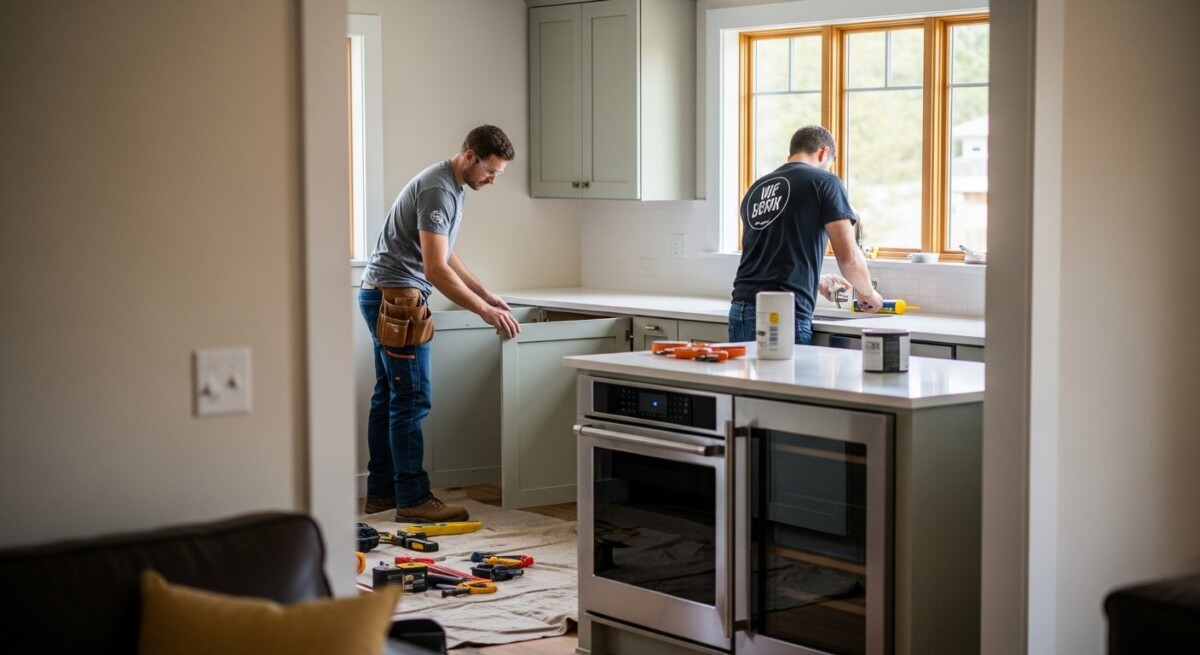
Professional plumbers follow a systematic approach to ensure the leak is fixed correctly and permanently. The first step is always precise leak detection. Technicians use specialized tools like acoustic listening devices, thermal imaging cameras, and pipe inspection cameras to pinpoint the exact location of a hidden leak without unnecessary demolition.
Once located, the repair method depends on the leak’s type and location. For a simple pinhole in an accessible copper pipe, a technician might use a pipe clamp or apply a solder patch. For a leaking joint, they may disassemble and re-seal the connection. In cases of severe corrosion or a long crack, the standard solution is pipe section replacement. This involves cutting out the damaged segment and installing a new piece of pipe with secure couplings.
For leaks in difficult-to-access areas, like inside a wall, trenchless repair methods like pipe lining or pipe bursting might be recommended to minimize disruption to your home. These are advanced techniques that restore the pipe from the inside or replace it with minimal digging.
Leave the complex diagnostics and repairs to the experts. Our trained technicians have the tools and expertise to resolve your leak efficiently. Schedule your service now.
Signs You Should Not Ignore
Some signs of a pipe leak are subtle whispers; others are shouts. Learning to recognize both can save you immense trouble. Listen and look for these key indicators:
- Unexplained Increase in Water Bills: A steady, mysterious rise in your water bill is one of the clearest signs of a leak, especially if your water usage habits haven’t changed.
- Sounds of Running Water: Hearing water running or dripping when all taps, toilets, and appliances are definitely turned off is a major red flag.
- Visible Mold or Mildew: Mold growing on walls, ceilings, or baseboards where there is no obvious source of moisture often points to a hidden leak inside the wall cavity.
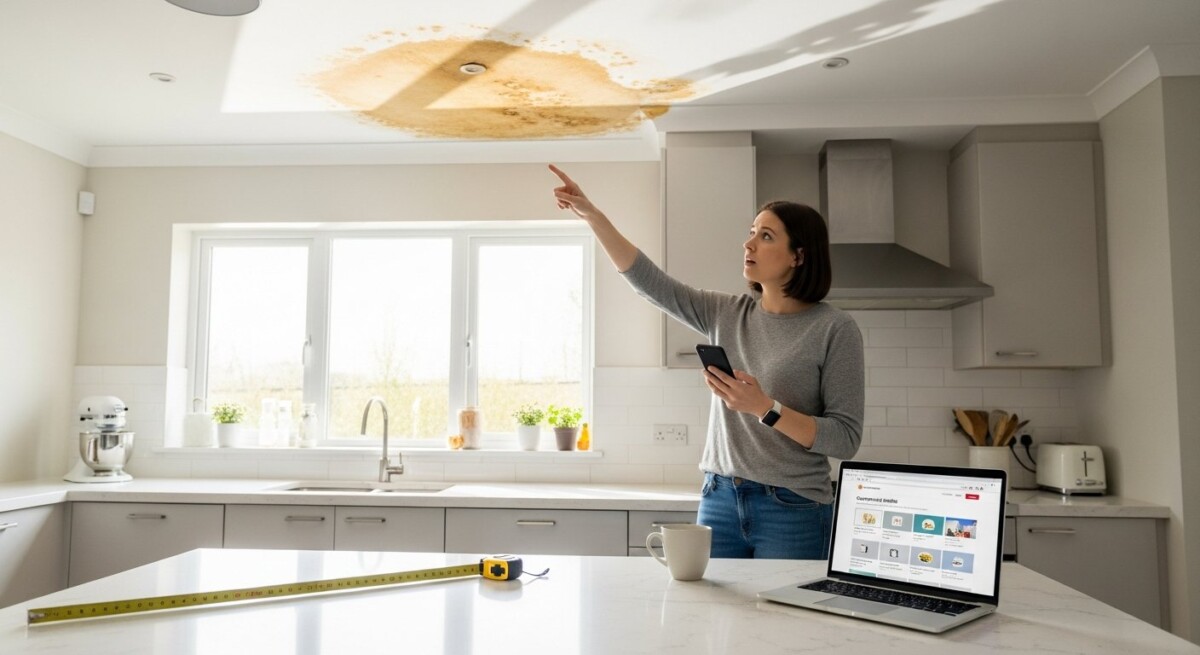
- Soft Spots or Discoloration: Warping, bubbling, or staining on walls, ceilings, or floors indicates water has been soaking in. The surface may feel soft or spongy to the touch.
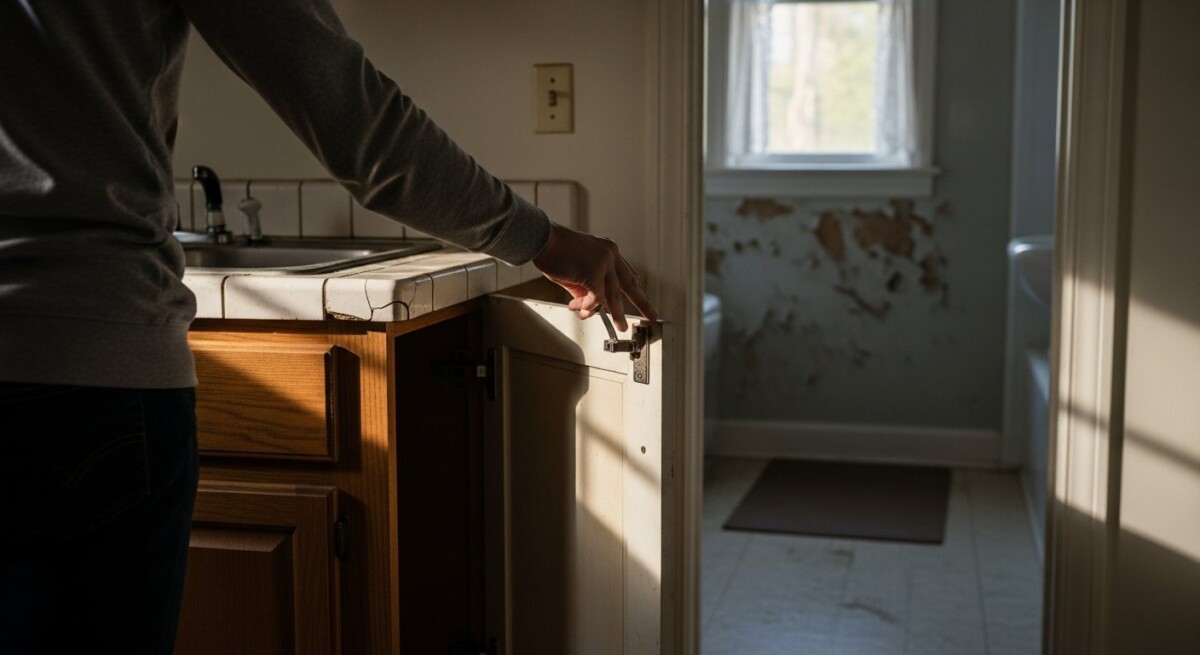
- Persistent Musty Odors: A constant damp, earthy smell in a room, cabinet, or basement is a classic sign of hidden moisture and potential mold growth from a leak.
It’s wise to be as vigilant with your plumbing as you would be with your roof. Just as you’d look for telltale signs of roof damage, regularly checking for these pipe leak indicators can prevent interior disasters.
Protect your home from water damage and costly repairs. Visit Schedule a Plumbing Inspection to schedule a professional leak assessment today.
Cost Factors and What Affects Pricing
The cost to repair a pipe leak depends on several variables, making a one-size-fits-all estimate impossible. Honest professionals will explain these factors after an assessment.
The primary cost driver is accessibility. A leak in an exposed pipe in your basement is far less expensive to fix than one buried inside a finished wall or under a concrete slab. The repair itself may be simple, but the labor to access it can be significant. The type of pipe and repair method also affect cost. Specialized materials or techniques, like repairing a main sewer line, will be priced differently than fixing a PVC drain under a sink.
Finally, consider secondary repairs. A leak may have damaged drywall, flooring, or structural wood. While a plumbing company fixes the pipe, you may need a carpenter or drywall specialist to restore the area, which is a separate cost. Addressing the leak quickly is the best way to minimize these additional expenses.
How To Choose the Right Professional or Service
Selecting the right plumber is as important as fixing the leak itself. Look for a licensed, insured, and bonded company. This protects you and your property in case of an accident. Read reviews and ask for references to gauge reputation and reliability.
A trustworthy professional will always perform an inspection before giving a quote. Be wary of anyone who gives a firm price over the phone for an unseen leak. They should be able to clearly explain the problem, your options for repair, and the associated costs. Good communication and a professional demeanor are strong indicators of quality service.
Long-Term Benefits for Your Home
Promptly fixing pipe leaks delivers lasting value. First and foremost, it protects your home’s structural integrity by eliminating the water that causes rot and decay. It safeguards your family’s health by preventing mold spores from colonizing your living spaces.
Financially, you’ll save money by stopping water waste and avoiding the exponential costs of delayed repairs. You’ll also enjoy greater peace of mind, knowing your plumbing system is secure. A well-maintained system contributes to the overall health and value of your property, much like keeping up with other critical systems such as roof leak detection and maintenance.
Frequently Asked Questions
Can a small pipe leak fix itself?
No, pipe leaks never fix themselves. Minerals in the water can sometimes temporarily clog a tiny pinhole, but the underlying corrosion or damage remains and will eventually worsen. All leaks require professional repair.
How can I tell if a leak is in the supply line or drain line?
A key test is to check your water meter. Turn off all water in the house. If the meter is still moving, it’s likely a pressurized supply line leak. Drain line leaks often have sewer odors and may only show dampness when water is draining.
Are pipe leaks covered by homeowners insurance?
It depends on your policy and the cause. Sudden, accidental leaks (like a burst pipe) are often covered. Damage from long-term, gradual leaks that were neglected may not be. Always check with your insurance provider.
What should I do immediately after discovering a major leak?
Locate your home’s main water shut-off valve and turn it off immediately to stop the flow of water. This minimizes damage. Then, call a professional plumber for emergency service.
How often should I check for hidden leaks?
Conduct a simple check quarterly. Look at your water meter before and after a two-hour period of no water use. If it changes, you may have a leak. Also, visually inspect under sinks, around toilets, and near appliances.
Can smart home devices help detect leaks?
Yes! Smart water leak detectors can be placed near water heaters, under sinks, or in basements. They alert you via your phone at the first sign of moisture. Some whole-home systems even attach to your main water line and can automatically shut off water if a major leak is detected.
Catching a pipe leak early is one of the smartest forms of home maintenance you can perform. By knowing the signs, understanding the risks, and acting quickly with the help of a trusted professional, you can prevent minor moisture from turning into a major renovation project. Your home’s plumbing system is vital; giving it the attention it deserves ensures safety, savings, and peace of mind for years to come.
Protect your home from water damage and costly repairs. Visit Schedule a Plumbing Inspection to schedule a professional leak assessment today.

About Alex Carter
"*" indicates required fields